Japan Cashless Payments: Why Digital Wallets Are Taking Over
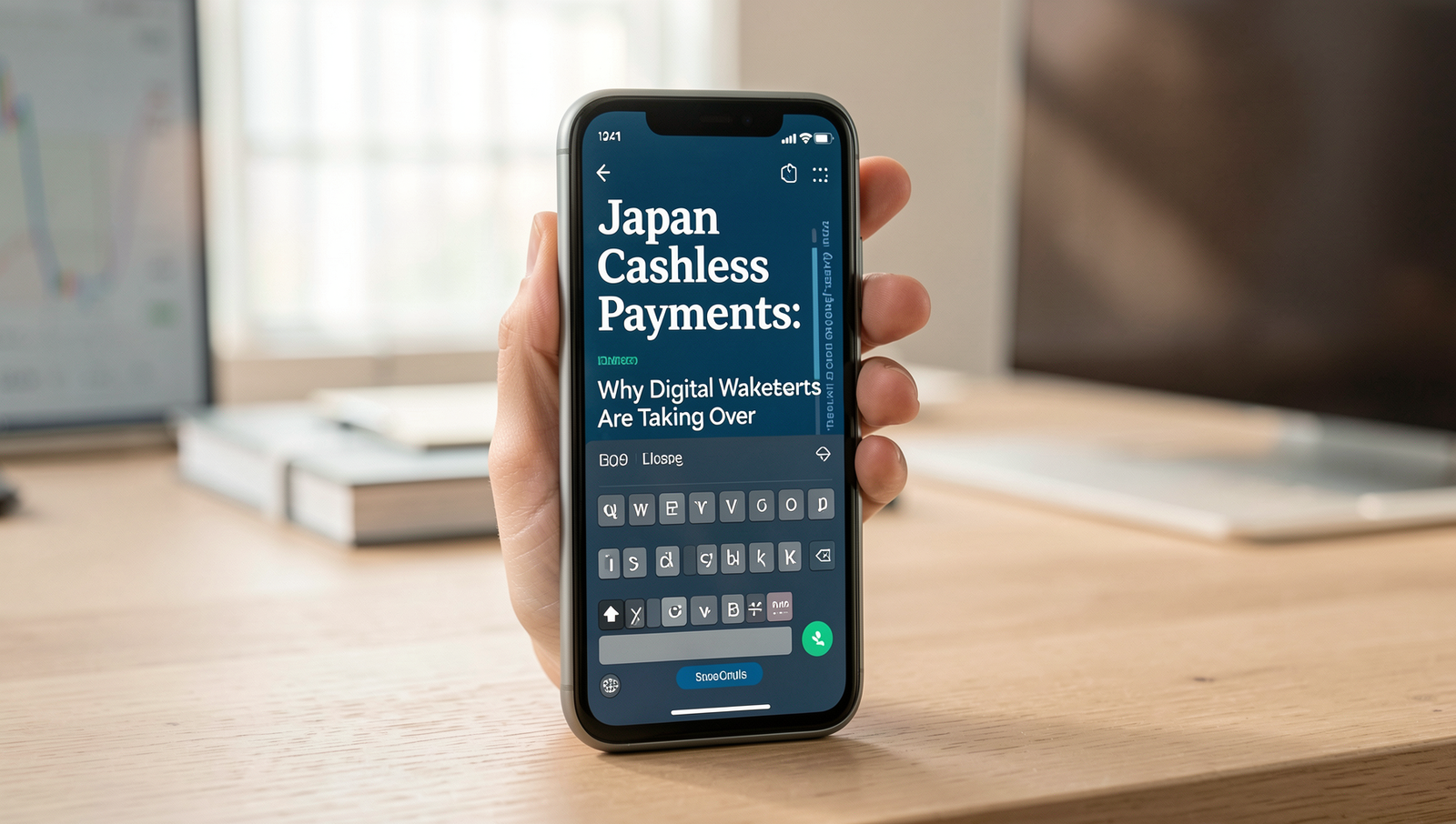
Exploring Japan's shift to cashless payments.
8 min read • 1,637 words
Table of Contents
ToggleJapan Cashless Payments: Why Digital Wallets Are Taking Over
In recent years, Japan has witnessed a significant shift towards cashless payments, with the rate reaching approximately 36% in 2020 and steadily increasing each year. This transformation is not just a trend; it reflects a broader change in consumer behavior and preferences. Digital wallets such as PayPay and Line Pay have rapidly gained millions of users since their introduction, highlighting the growing acceptance of technology in everyday transactions. The Japanese government has set an ambitious goal for cashless payments to account for 40% of all transactions by 2025, emphasizing the importance of this shift in the economy.
The COVID-19 pandemic has further accelerated the adoption of contactless payments, as consumers increasingly prefer the convenience and safety of digital transactions. Additionally, Japan’s aging population is driving the demand for user-friendly digital wallet technologies, making it essential for businesses to adapt. In this article, readers will learn about the factors contributing to the rise of Japan’s cashless payments and the implications for the future of commerce in the country.
The Rise of Digital Wallets
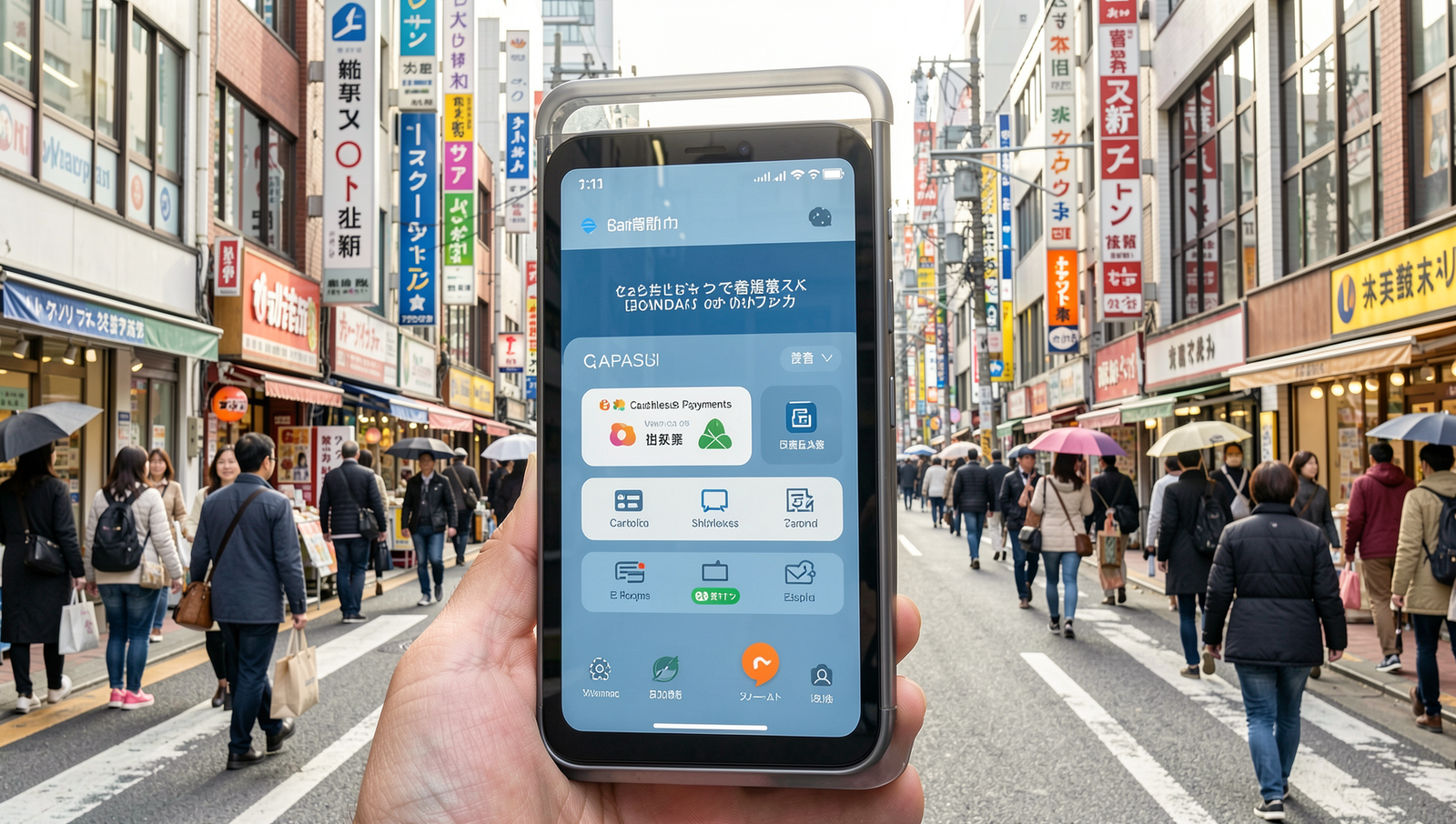
Digital wallets, also known as e-wallets, are applications or software that allow users to store and manage their payment information electronically. They enable consumers to make transactions using their smartphones or other devices, eliminating the need for physical cash or cards. Digital wallets function by securely storing users’ credit card, debit card, and bank account details, which can be accessed for online purchases or in-store payments through QR codes or near-field communication (NFC) technology.
When comparing digital wallets to traditional payment methods, several advantages emerge. Firstly, digital wallets provide enhanced convenience, as users can complete transactions with just a few taps on their devices. This speed is particularly beneficial in busy urban areas where time is of the essence. Secondly, digital wallets often come with added security features, such as biometric authentication and encryption, which can reduce the risk of fraud compared to carrying cash or cards. Lastly, many digital wallets offer rewards programs, cashback options, and discounts, incentivizing users to adopt this technology.
In Japan, the digital wallet market is rapidly evolving, with several key players dominating the landscape. Notable examples include:
- PayPay
- LINE Pay
- Rakuten Pay
- Apple Pay
User demographics indicate a growing acceptance of digital wallets across various age groups. Younger consumers, particularly millennials and Gen Z, are leading the charge in adoption rates, driven by their familiarity with technology and preference for cashless transactions. However, older generations are also beginning to embrace digital wallets, especially as retailers and service providers increasingly support cashless payments. As Japan continues to push towards a cashless society, the rise of digital wallets is expected to play a pivotal role in shaping the future of Japan cashless payments.
Benefits of Using Digital Wallets
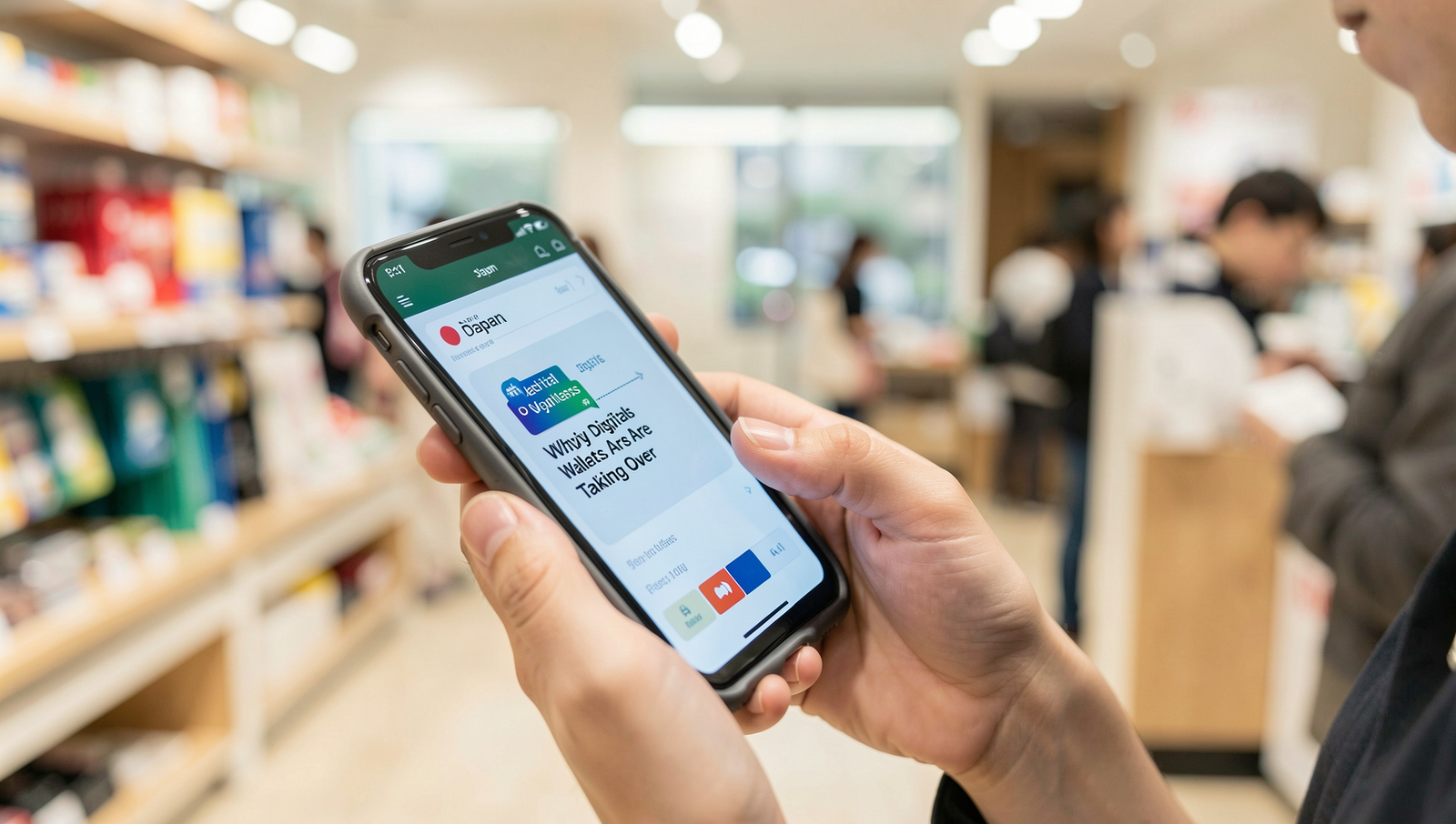
In recent years, Japan Cashless Payments have gained significant traction, largely due to the numerous benefits associated with digital wallets. One of the most notable advantages is the convenience and speed of transactions. With just a few taps on a smartphone, users can complete purchases without the need to carry physical cash or cards. This not only saves time but also streamlines the shopping experience, making it more efficient for both consumers and retailers.
Enhanced security features are another compelling reason for the rise of digital wallets. Unlike cash, which can be lost or stolen, digital wallets often come with advanced security measures such as biometric authentication, encryption, and two-factor authentication. For example, many digital wallets require a fingerprint or facial recognition to authorize transactions, providing an added layer of protection against fraud.
Moreover, digital wallets frequently integrate with loyalty programs and discounts, offering users additional incentives to make the switch. Many retailers in Japan have partnered with digital wallet providers to allow customers to earn points or receive exclusive discounts when using their wallets for purchases. This not only encourages consumer loyalty but also promotes a cashless ecosystem. For instance, a popular convenience store chain may offer a 10% discount on purchases made through a specific digital wallet, enticing customers to adopt this payment method.
Lastly, the environmental impact of reducing cash production cannot be overlooked. The manufacturing of physical currency involves significant resources, including paper, ink, and energy. By embracing Japan Cashless Payments, society can contribute to a more sustainable future by minimizing the need for cash and reducing the carbon footprint associated with its production.
Challenges and Future of Cashless Payments
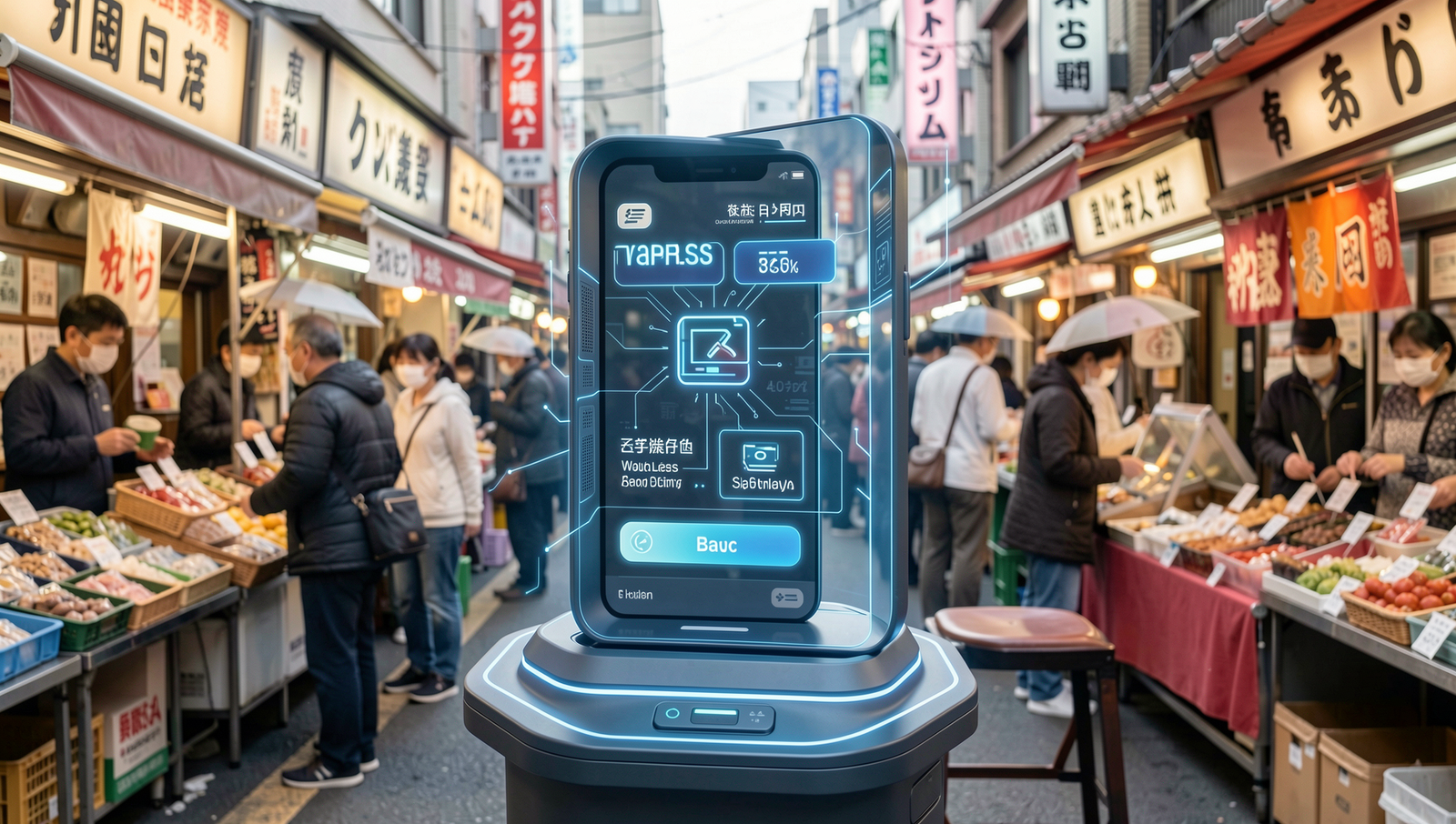
Despite the rapid growth of Japan cashless payments, several challenges remain that could hinder the widespread adoption of digital wallets. One significant barrier is technological limitations and the need for user education. Many older generations in Japan are accustomed to using cash, and transitioning to digital payments requires not only the availability of technology but also a comprehensive understanding of how to use it. Educational initiatives are essential to familiarize users with digital wallets and the various payment platforms available.
Another pressing concern is privacy and data security. As digital transactions increase, so do worries about the safety of personal information. Users are often apprehensive about sharing their financial data online, fearing potential breaches or misuse. Companies must prioritize robust security measures and transparent data handling practices to build trust among consumers.
Additionally, there is resistance from traditional cash-dependent businesses. Many small retailers and local shops still rely heavily on cash transactions, and the costs associated with implementing cashless systems can be daunting. To address this, the government and financial institutions could provide incentives or subsidies to encourage these businesses to adopt digital payment solutions.
Looking ahead, the future landscape of payments in Japan is likely to evolve significantly. Predictions suggest that as technology advances and consumer habits shift, cashless payments will become the norm. The integration of artificial intelligence and blockchain technology could further enhance transaction security and efficiency. Moreover, partnerships between fintech companies and traditional banks may lead to innovative payment solutions that cater to diverse consumer needs.
- Increased user education initiatives
- Enhanced security protocols
- Support for small businesses transitioning to cashless systems
- Adoption of advanced technologies like AI and blockchain
Conclusion
In recent years, Japan has witnessed a significant shift towards cashless payments, driven by the increasing adoption of digital wallets. This transformation is not only a response to the changing consumer preferences but also a strategic move to enhance efficiency and convenience in financial transactions. The benefits of Japan cashless payments are manifold, including faster transaction times, reduced reliance on physical cash, and improved tracking of spending habits. As more businesses and consumers embrace these technologies, the landscape of commerce in Japan is evolving rapidly.
Looking ahead, the next steps for Japan cashless payments involve further integration of digital wallets into everyday life. This includes expanding acceptance among merchants, enhancing security measures, and promoting financial literacy to ensure that all demographics can participate in this digital revolution. As Japan continues to innovate in the realm of payment solutions, the future promises a more streamlined and accessible financial ecosystem for everyone.
Real-World Examples
Japan’s transition to cashless payments is not just a theoretical concept; it is being actively implemented across various sectors. One of the most notable examples is the widespread adoption of digital wallets like PayPay, Line Pay, and Rakuten Pay. These platforms have become integral to everyday transactions, allowing users to make payments seamlessly at numerous retail outlets, restaurants, and even vending machines.
For instance, PayPay has gained immense popularity since its launch in 2018. It offers users various promotions, including cashback rewards, which incentivize consumers to choose cashless transactions over traditional cash payments. As of 2023, PayPay has over 50 million registered users, showcasing the rapid acceptance of this payment method among the Japanese populace.
Another example is the integration of cashless payments in public transportation. Many train and bus systems in Japan now accept mobile payments, making it easier for commuters to travel without the hassle of carrying cash. Suica and Pasmo cards, which can be topped up via mobile apps, are widely used for this purpose. This integration not only enhances convenience but also streamlines operations for transport companies.
- Convenience Stores: Major chains like 7-Eleven and Lawson have embraced cashless payments, allowing customers to pay using their smartphones at checkout.
- Restaurants: Many dining establishments now offer QR code payments, enabling patrons to settle their bills directly from their phones, reducing wait times.
- Online Shopping: E-commerce platforms such as Rakuten and Amazon Japan provide various cashless payment options, further driving the trend.
These real-world applications of Japan cashless payments illustrate a significant shift in consumer behavior, where convenience and efficiency are prioritized. As more businesses adopt these technologies, the landscape of payment methods in Japan continues to evolve, paving the way for a future where cash is no longer king.
Frequently Asked Questions
What are digital wallets?
Digital wallets are electronic applications that allow users to store payment information and make transactions using their smartphones or other devices. They enable users to pay for goods and services without needing physical cash or cards, enhancing convenience and security.
Why are cashless payments popular in Japan?
Cashless payments have gained popularity in Japan due to the country’s advanced technology infrastructure and the convenience they offer. Additionally, the COVID-19 pandemic accelerated the shift towards digital transactions as people sought safer, contactless payment methods to reduce the risk of virus transmission.
What are the benefits of using digital wallets?
Using digital wallets provides several benefits, including enhanced security features, ease of use, and the ability to track spending. They also often come with rewards programs, discounts, and promotions that can save users money while making transactions more efficient.
How do
About the Author