Tokyo Smart Infrastructure: Technology Behind the Modern City
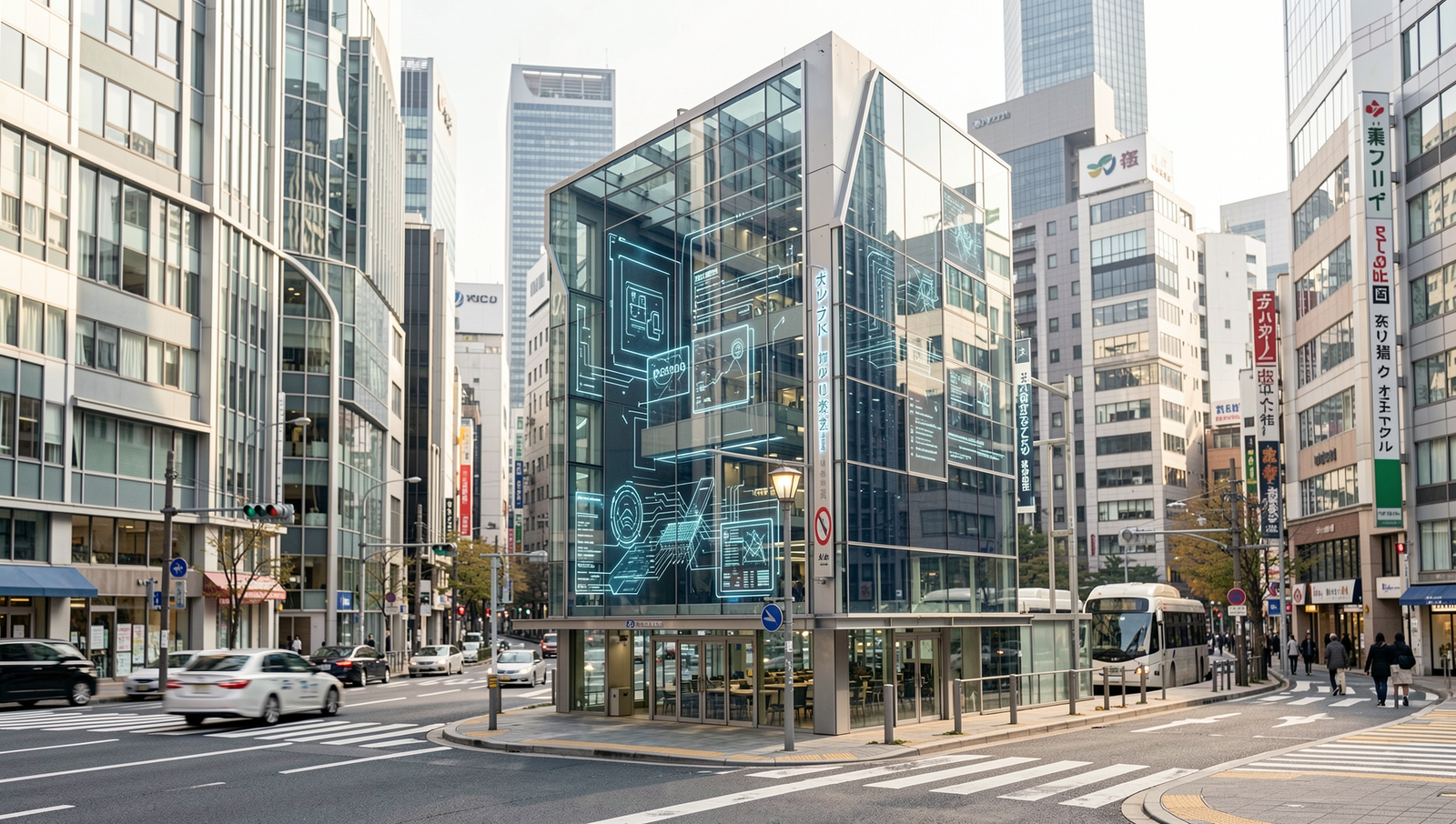
Tokyo's advanced infrastructure and urban technology in focus.
8 min read • 1,623 words
Table of Contents
ToggleTokyo Smart Infrastructure: Technology Behind the Modern City
Tokyo Smart Infrastructure represents a revolutionary approach to urban living, integrating cutting-edge technology to enhance the quality of life for its residents. As one of the most densely populated cities in the world, Tokyo faces unique challenges, including traffic congestion, air quality issues, and energy management. This article will delve into the innovative solutions the city has implemented, such as a smart traffic management system that has successfully reduced congestion by 30%. Additionally, readers will discover how IoT sensors are used to monitor air quality, providing real-time data that empowers residents to make informed decisions about their health.
Moreover, Tokyo’s public transportation system has embraced mobile app integration, allowing for seamless travel planning and improved accessibility. The city has also optimized its waste management through smart systems that reduce fuel consumption by 20% by streamlining collection routes. Lastly, the development of a smart grid enhances energy efficiency and minimizes outages, showcasing Tokyo’s commitment to sustainability and innovation.
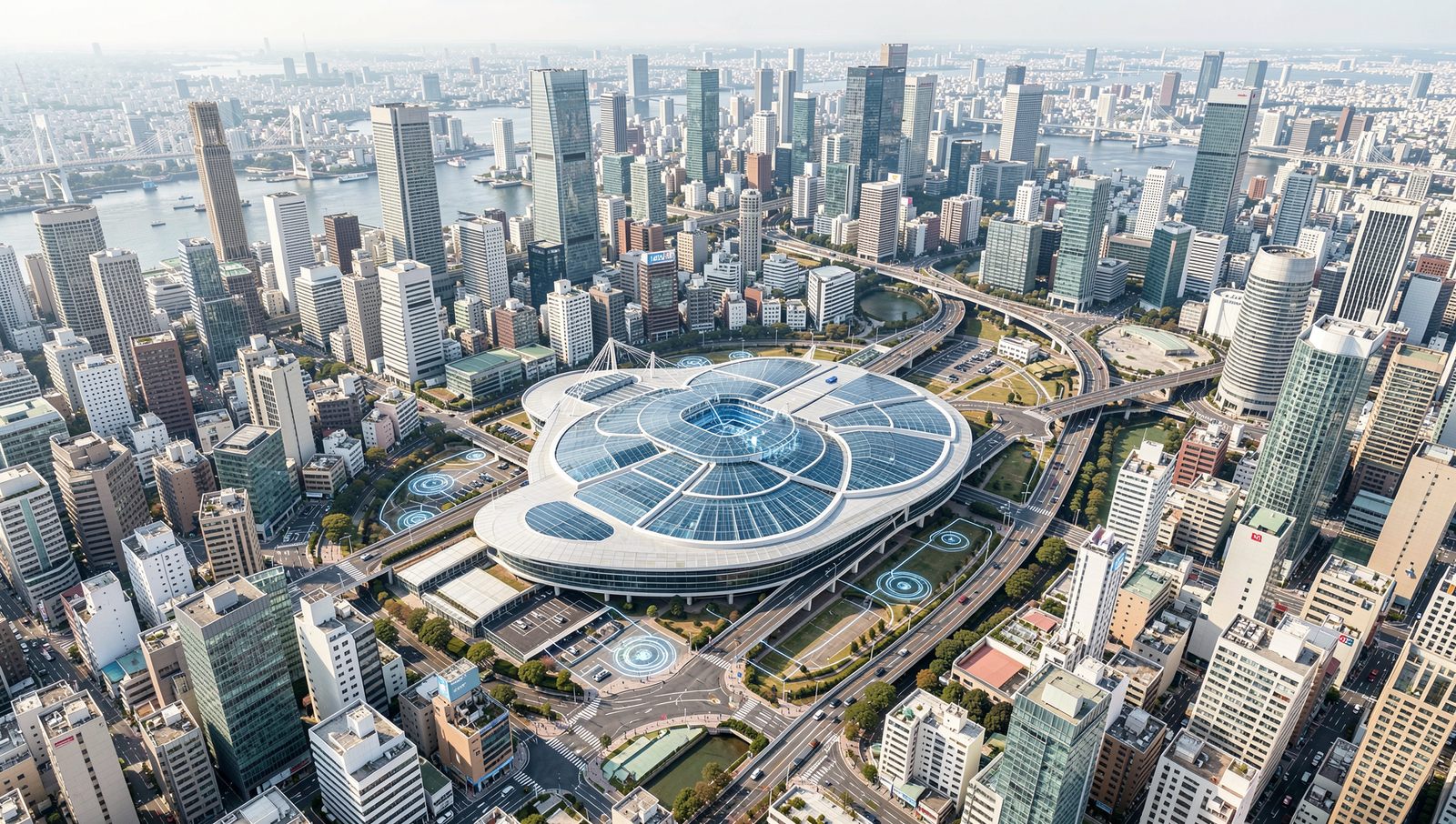
Transportation Innovations
Tokyo Smart Infrastructure has revolutionized the way residents and visitors navigate the bustling metropolis. With the integration of advanced technologies, the city has made significant strides in enhancing its public transportation systems. One of the most notable advancements is the incorporation of artificial intelligence (AI) into these systems. AI algorithms analyze real-time data to predict passenger demand, optimize schedules, and improve overall service efficiency. This not only reduces wait times but also enhances the user experience for commuters.
Another critical aspect of Tokyo’s transportation innovations is the development of smart traffic management solutions. These systems utilize sensors and cameras to monitor traffic flow and adjust signal timings accordingly. For instance, during peak hours, traffic lights can be modified to prioritize buses and emergency vehicles, ensuring that they reach their destinations swiftly. This dynamic approach to traffic management helps alleviate congestion and minimizes travel delays across the city.
The impact of autonomous vehicles on urban mobility is also a significant consideration in Tokyo’s transportation landscape. With ongoing trials and pilot programs, self-driving cars are gradually being integrated into the public transport network. These vehicles promise to enhance accessibility, particularly for the elderly and disabled, while also reducing the number of accidents caused by human error. As autonomous technology continues to evolve, it is expected to reshape the future of commuting in Tokyo.
Furthermore, the use of data analytics plays a crucial role in optimizing transit routes. By analyzing patterns in commuter behavior, transportation authorities can identify the most efficient routes and make data-driven decisions to improve service. For example, bus routes can be adjusted based on real-time passenger counts, ensuring that vehicles are deployed where they are needed most.
- Integration of AI for predictive analytics in public transport
- Smart traffic management systems to reduce congestion
- Autonomous vehicles enhancing urban mobility
- Data analytics for optimizing transit routes and schedules
In summary, the transportation innovations within Tokyo Smart Infrastructure not only enhance the efficiency of the city’s transit systems but also contribute to a more sustainable and user-friendly urban environment.
Energy Management and Sustainability
Tokyo Smart Infrastructure is at the forefront of integrating advanced technologies to create a sustainable urban environment. One of the key components of this initiative is the implementation of smart grids, which facilitate efficient energy distribution throughout the city. Smart grids utilize digital communication technology to monitor and manage the flow of electricity, allowing for real-time adjustments based on demand. This not only enhances the reliability of energy supply but also reduces waste and optimizes the use of resources.
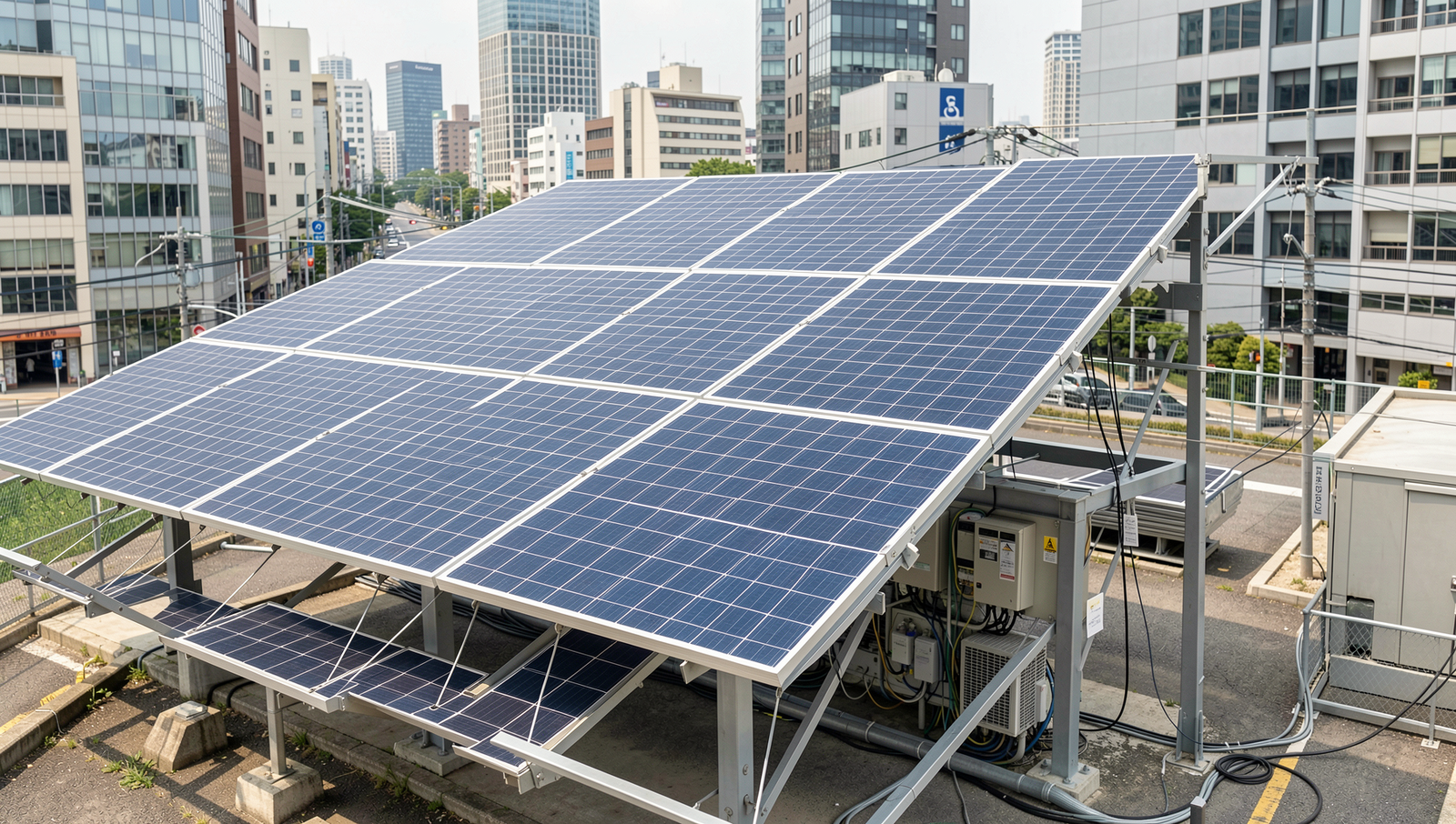
In conjunction with smart grids, renewable energy sources play a crucial role in Tokyo’s infrastructure. The city has made significant investments in solar, wind, and geothermal energy. For instance, many buildings in Tokyo are equipped with solar panels, contributing to the overall energy mix and reducing dependence on fossil fuels. The government has also incentivized the installation of renewable energy systems through subsidies and tax breaks, encouraging both businesses and residents to adopt greener practices.
Technologies aimed at energy conservation in buildings are also pivotal in Tokyo’s smart infrastructure. Innovations such as energy-efficient HVAC systems, smart lighting, and advanced insulation materials help reduce energy consumption. Buildings are increasingly being designed with sustainability in mind, featuring green roofs and walls that not only enhance aesthetics but also improve energy efficiency. For example, the Tokyo Tower has incorporated energy-saving technologies that significantly lower its operational costs.
Another significant advancement is the use of smart meters, which have transformed consumer energy usage. These devices provide real-time data on energy consumption, allowing users to monitor their usage patterns and make informed decisions about their energy habits. As a result, consumers are more aware of their energy consumption, leading to a reduction in overall energy use. This shift not only benefits individual households but also contributes to the broader goals of Tokyo Smart Infrastructure in promoting sustainability and energy efficiency.
Public Safety and Emergency Response
Tokyo Smart Infrastructure incorporates advanced technologies to enhance public safety and emergency response systems throughout the city. One of the key components is the use of Internet of Things (IoT) devices, which enable real-time monitoring of urban safety. These devices collect data from various sources, including environmental sensors, traffic cameras, and emergency alert systems, to provide a comprehensive view of the city’s safety status. For instance, smart sensors can detect hazardous conditions such as gas leaks or flooding, allowing authorities to respond swiftly and effectively.
Additionally, the integration of artificial intelligence (AI) into disaster response systems has revolutionized how Tokyo prepares for and manages emergencies. AI algorithms analyze vast amounts of data to predict potential disasters, such as earthquakes or tsunamis, and optimize resource allocation during crises. For example, AI-driven simulations can help emergency services identify the most effective evacuation routes and strategies, ultimately saving lives and minimizing chaos.
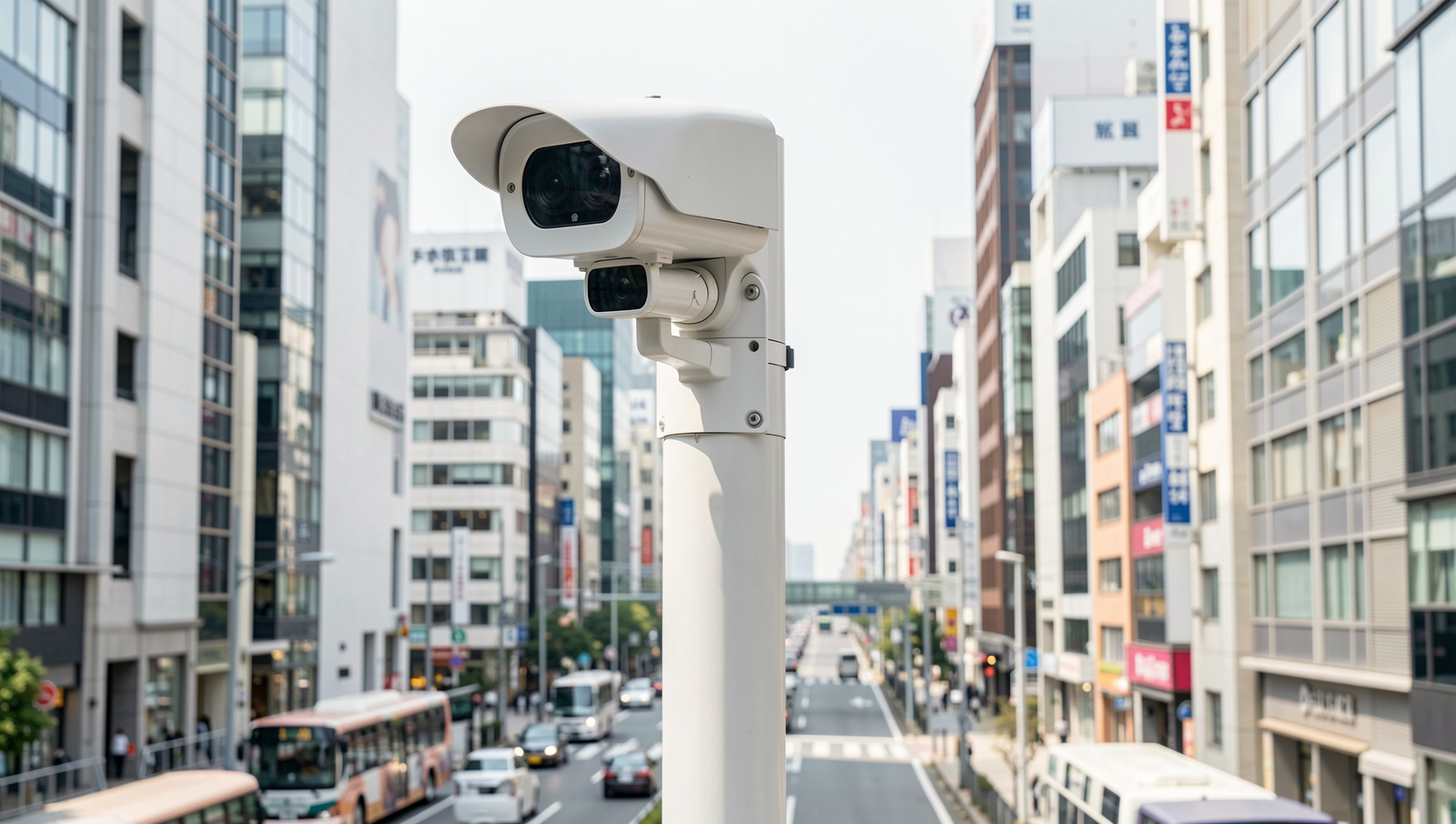
Smart surveillance technologies also play a crucial role in crime prevention and public safety. High-definition cameras equipped with facial recognition capabilities and motion detection can monitor public spaces, helping law enforcement agencies respond to incidents more efficiently. These systems can alert authorities in real-time when suspicious activities are detected, allowing for quicker intervention and crime reduction.
Community engagement is another vital aspect of Tokyo’s smart safety initiatives. Through smart safety applications, residents can report incidents, receive emergency alerts, and access safety information directly on their smartphones. These applications foster a sense of community involvement and empower citizens to contribute to their own safety and that of their neighbors.
- Real-time monitoring through IoT devices
- AI integration for disaster preparedness
- Smart surveillance for crime prevention
- Community engagement via safety apps
In conclusion, the combination of IoT, AI, and community participation in Tokyo Smart Infrastructure significantly enhances public safety and emergency response capabilities, making the city a safer place for its residents.
Conclusion
Tokyo Smart Infrastructure represents a significant leap forward in urban development, showcasing how technology can enhance the quality of life for residents and visitors alike. By integrating advanced technologies such as IoT, AI, and big data analytics, Tokyo is not only improving its transportation systems and energy efficiency but also creating a more sustainable and resilient urban environment. These innovations facilitate better resource management, reduce congestion, and enhance public safety, making Tokyo a model for smart cities worldwide.
Looking ahead, the next steps for Tokyo Smart Infrastructure involve further investment in research and development, as well as collaboration between government, private sectors, and local communities. As Tokyo continues to evolve, the focus will be on expanding these smart technologies to ensure inclusivity and accessibility for all citizens. By prioritizing these initiatives, Tokyo can maintain its status as a global leader in urban innovation, paving the way for a smarter, more connected future.
Real-World Examples
Tokyo Smart Infrastructure is not just a theoretical concept; it is actively being implemented across the city, showcasing how technology can enhance urban living. One of the most notable examples is the use of smart traffic management systems. These systems utilize real-time data from sensors and cameras to monitor traffic flow, allowing for dynamic adjustments to traffic signals. This reduces congestion and improves travel times for commuters. For instance, the Tokyo Metropolitan Government has integrated these systems into major intersections, resulting in a significant decrease in waiting times during peak hours.
Another impressive application of Tokyo Smart Infrastructure is the deployment of smart waste management solutions. The city has implemented sensors in waste bins that monitor fill levels and send alerts when they need to be emptied. This not only optimizes waste collection routes but also reduces operational costs and minimizes environmental impact. Companies like Veolia have partnered with the Tokyo government to pilot this technology, leading to cleaner streets and more efficient waste management practices.
Additionally, Tokyo is leveraging smart energy grids to enhance its energy efficiency. These grids allow for real-time monitoring and management of energy consumption across various sectors, including residential, commercial, and industrial. For example, the Tokyo Electric Power Company has introduced smart meters that provide consumers with detailed insights into their energy usage patterns, encouraging more responsible consumption. This initiative is part of a broader effort to reduce the city’s carbon footprint and promote sustainability.
Moreover, the integration of IoT (Internet of Things) devices in public transportation is transforming the way residents navigate the city. Smart buses equipped with GPS and real-time tracking apps provide commuters with accurate arrival times, reducing uncertainty and improving the overall travel experience. The Tokyo Metro has also introduced contactless payment systems, allowing passengers to use their smartphones for seamless fare transactions, further enhancing convenience.
These examples illustrate how Tokyo Smart Infrastructure is not only about adopting new technologies but
About the Author