Japan Green Technology: Innovations Fighting Climate Change

Innovative green technology in Japan combating climate change.
8 min read • 1,643 words
Table of Contents
ToggleJapan Green Technology: Innovations Fighting Climate Change
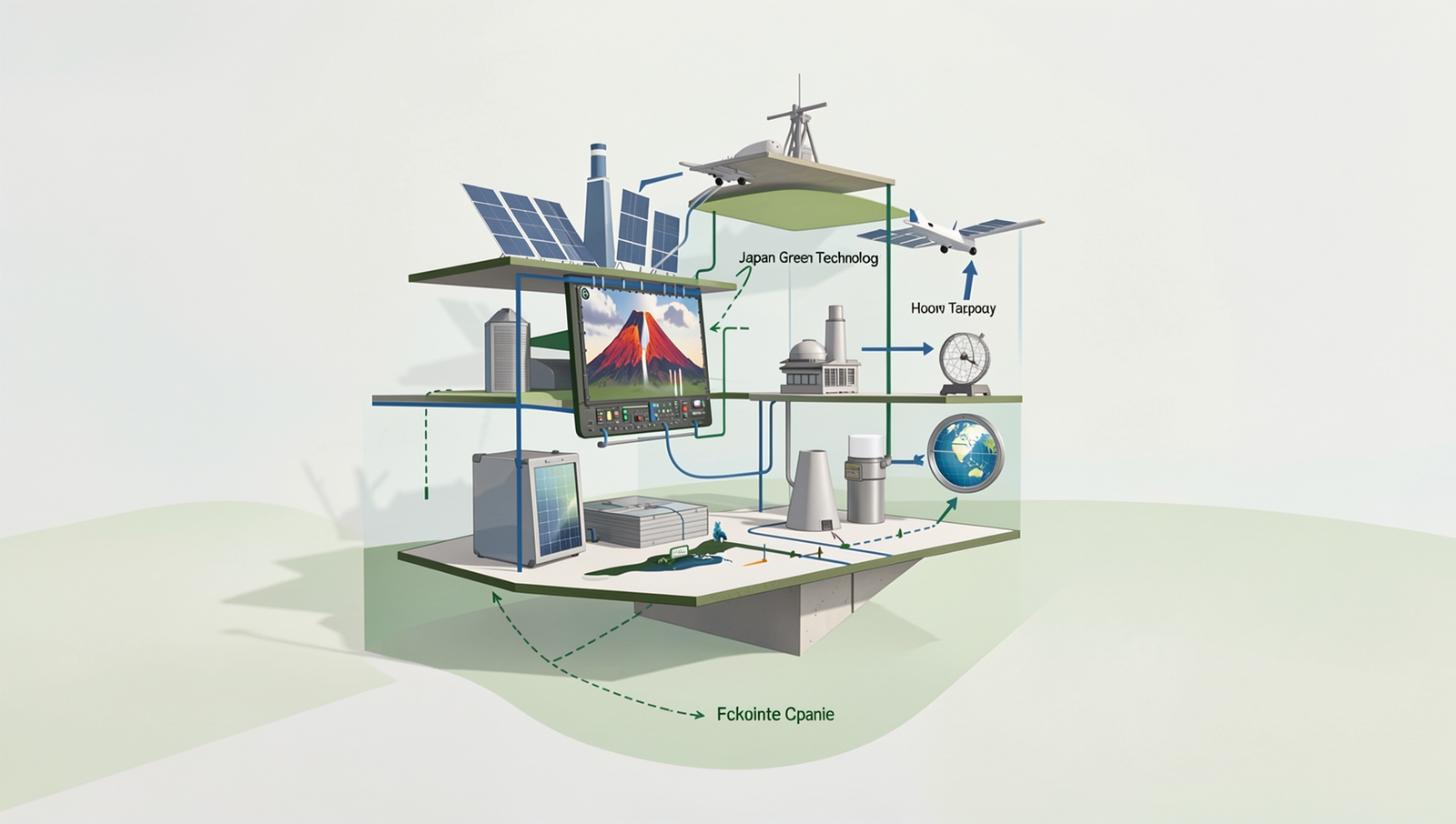
Japan green technology is at the forefront of global efforts to combat climate change, showcasing innovative solutions that not only address environmental challenges but also set a benchmark for other nations. As a leader in hydrogen fuel cell technology, Japan is committed to significantly reducing carbon emissions, making strides toward a sustainable future. The advancements in solar panel technology, which enhance energy efficiency by 30%, further exemplify the country’s dedication to renewable energy sources.
In addition to these technologies, Japan’s Smart City initiatives leverage IoT technology to optimize energy consumption and minimize waste. The government actively promotes electric vehicles through subsidies, with a bold goal of achieving 100% electric vehicle sales in the near future. Furthermore, Japan’s waste-to-energy plants convert over 80% of municipal waste into energy, showcasing an effective approach to waste management. Readers will gain insight into these pioneering technologies and their potential impact on global climate efforts.
Introduction to Japan’s Green Technology Landscape
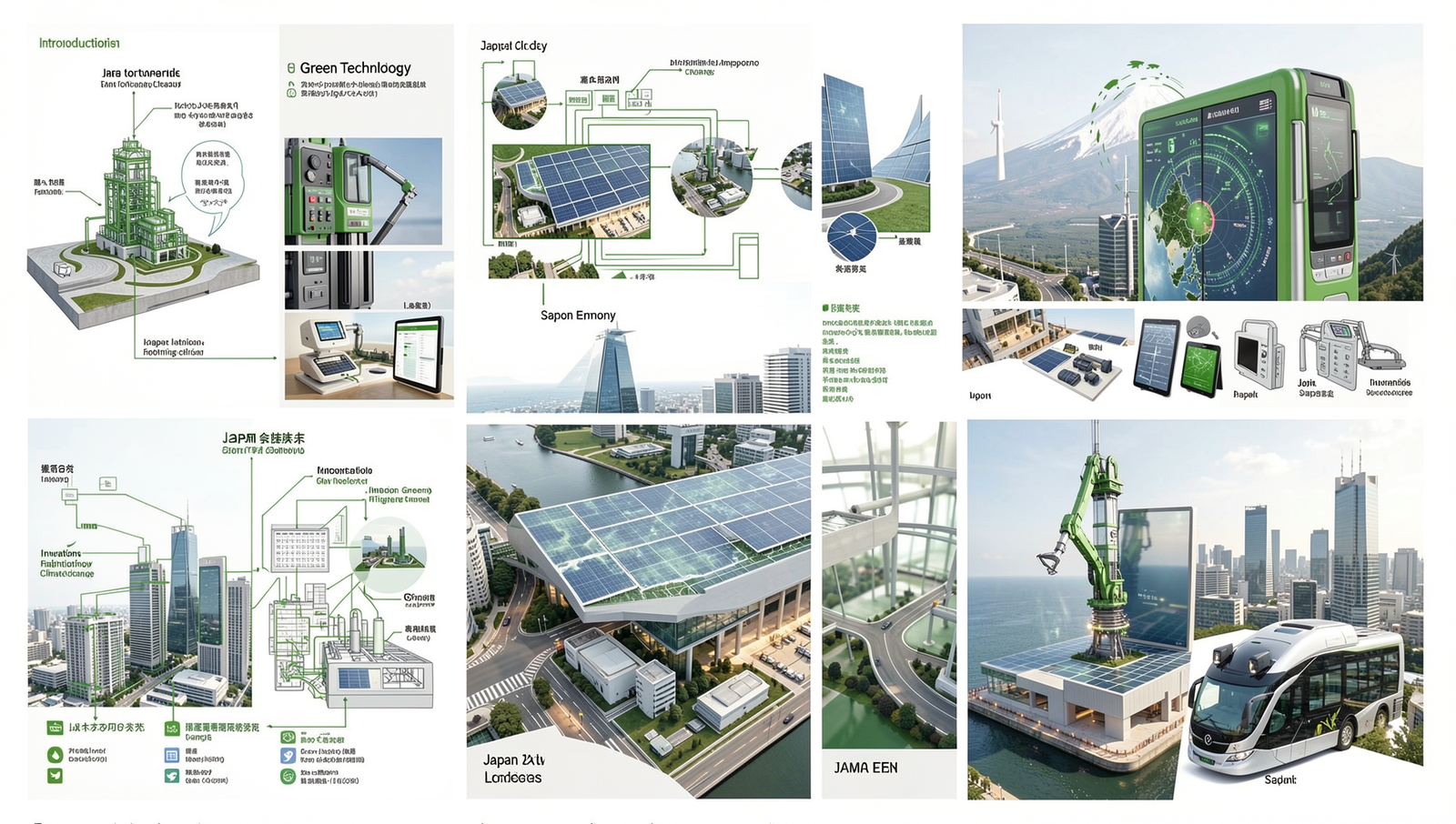
Japan has long been recognized as a leader in technological innovation, and its commitment to sustainability and climate action is no exception. The nation has made significant strides in developing green technology aimed at combating climate change and promoting environmental stewardship. With a rich history of advancements in environmental science, Japan continues to pave the way for sustainable practices that can be adopted globally.
Historically, Japan’s journey towards green technology began in the aftermath of the 1973 oil crisis, which prompted the government to invest heavily in energy efficiency and alternative energy sources. This pivotal moment led to the establishment of various research institutions and the promotion of technologies such as solar power, wind energy, and energy-efficient appliances. Over the decades, Japan has developed a robust framework for innovation in environmental technology, making it a focal point for global sustainability efforts.
Key government policies have played a crucial role in promoting Japan green technology. Initiatives such as the “Green Growth Strategy” and the “Cool Earth Promotion Program” have provided financial incentives and support for research and development in renewable energy, energy storage, and carbon capture technologies. These policies not only encourage private sector investment but also foster collaboration between academia and industry, leading to groundbreaking innovations.
- Investment in renewable energy sources, including solar and wind.
- Development of energy-efficient technologies for homes and industries.
- Implementation of smart grid systems to optimize energy distribution.
- Promotion of electric vehicles and hydrogen fuel cell technology.
The importance of Japan’s green technology extends beyond its borders. As a country prone to natural disasters, Japan’s advancements in sustainable practices serve as a model for resilience and adaptation in the face of climate change. By prioritizing innovation and sustainability, Japan is not only addressing its environmental challenges but also contributing to the global fight against climate change.
Renewable Energy Innovations
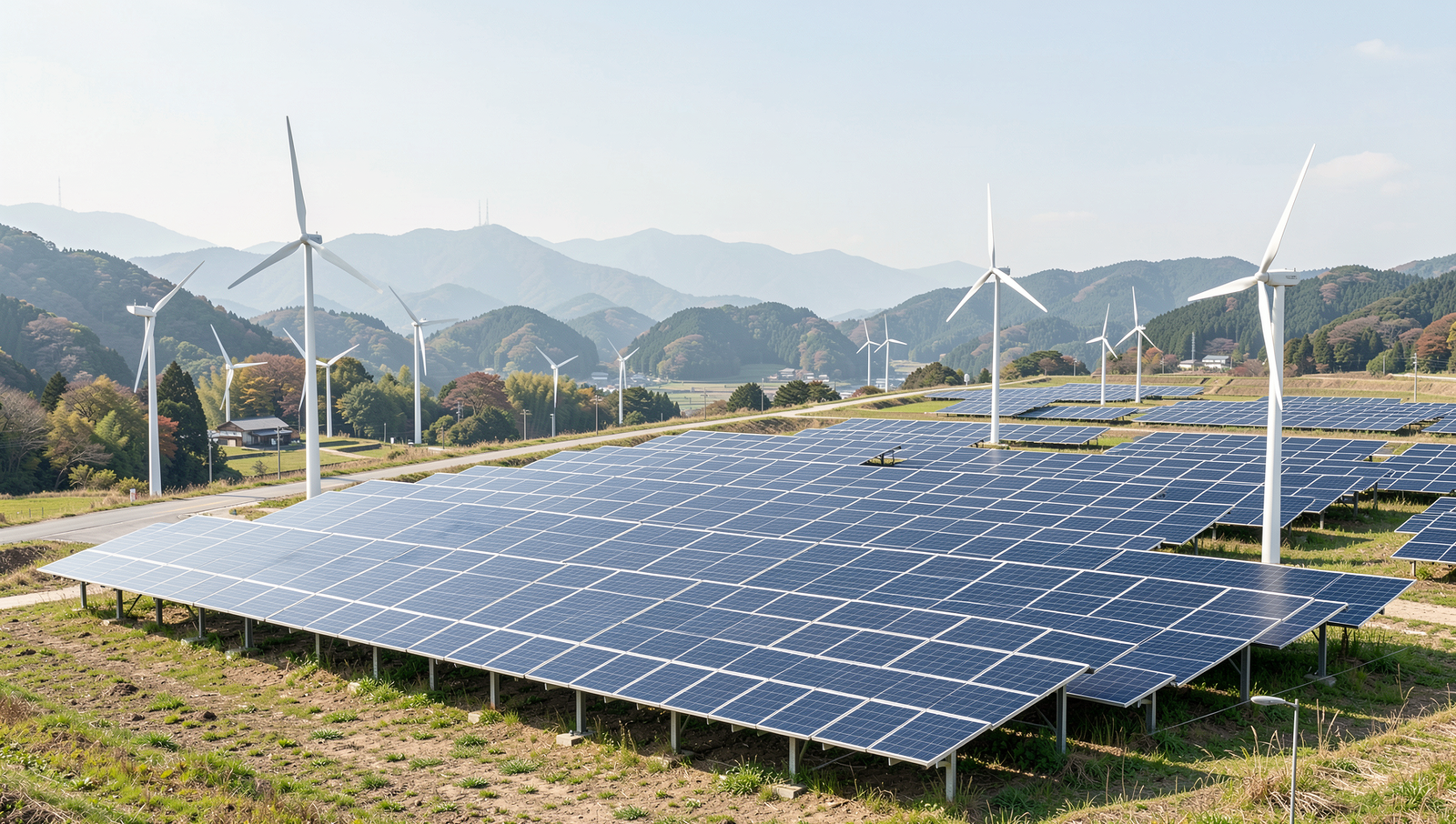
Japan has been at the forefront of renewable energy innovations, particularly in the wake of the Fukushima disaster in 2011, which underscored the need for sustainable energy solutions. The development of solar energy technologies has been remarkable, with Japan emerging as one of the leading countries in solar power generation. The introduction of advanced photovoltaic cells has significantly increased the efficiency of solar panels, allowing for greater energy capture even in less sunny conditions. As a result, solar energy now contributes a substantial portion to Japan’s overall energy mix, reducing reliance on fossil fuels.
In addition to solar energy, advancements in wind energy have also gained momentum, particularly with the establishment of offshore wind farms. Japan’s geographical location offers vast potential for wind energy, and several projects are underway to harness this resource. Offshore wind farms can generate electricity without occupying valuable land space, making them an attractive option for densely populated areas. These farms not only provide clean energy but also create jobs and stimulate local economies.
Another promising avenue for Japan’s energy future is hydrogen energy production. Japan has invested heavily in hydrogen technology, aiming to become a global leader in this field. The country is developing a hydrogen supply chain that includes production, storage, and transportation, which could significantly reduce greenhouse gas emissions. Hydrogen fuel cells are being integrated into various sectors, including transportation and residential energy, showcasing their versatility and potential impact.
Lastly, geothermal energy utilization is another critical component of Japan’s renewable energy strategy. With its unique geological features, Japan has access to significant geothermal resources. The government is promoting the development of geothermal power plants, which can provide a steady and reliable source of energy, further diversifying the energy portfolio.
- Solar energy technologies have improved efficiency and output.
- Offshore wind farms are expanding, utilizing Japan’s coastal areas.
- Hydrogen energy is being developed for various applications.
- Geothermal energy is being harnessed for sustainable power generation.

Smart Cities and Sustainable Urban Development
Japan is at the forefront of integrating green technology into urban planning, focusing on creating smart cities that prioritize energy efficiency and sustainability. The incorporation of the Internet of Things (IoT) in urban development has revolutionized how cities manage resources and infrastructure. By utilizing IoT devices, cities can monitor energy consumption in real-time, optimize traffic flow, and enhance waste management systems.
One notable example is the city of Fujisawa, which has implemented a smart community project that emphasizes renewable energy and energy-efficient technologies. This initiative includes solar panels on residential buildings, energy storage systems, and smart meters that help residents track their energy usage. As a result, Fujisawa has significantly reduced its carbon footprint while promoting a sustainable lifestyle among its inhabitants.
Another city leading the charge is Yokohama, which has developed a comprehensive smart transportation system. This system includes electric buses and a network of bicycle-sharing programs that encourage residents to opt for greener modes of transport. By reducing reliance on fossil fuel-powered vehicles, Yokohama is making strides in lowering greenhouse gas emissions.
- Smart Traffic Management: Cities like Tokyo utilize IoT sensors to monitor traffic patterns and adjust signal timings, reducing congestion and emissions.
- Green Building Standards: Japan has established rigorous eco-friendly building codes that promote energy-efficient designs and materials.
- Public Transportation Innovations: The integration of electric trains and trams in cities like Osaka has made public transport more sustainable.
Through these initiatives, Japan is not only addressing climate change but also setting a global example of how urban areas can evolve into sustainable environments. The focus on smart cities and sustainable urban development is a testament to Japan’s commitment to leveraging green technology for a better future.

Research and Development in Green Technologies
Japan has emerged as a leader in green technology, driven by robust research and development initiatives. Universities and research institutions play a pivotal role in fostering innovation in this sector. Notable universities such as the University of Tokyo and Kyoto University are at the forefront, conducting groundbreaking research in renewable energy sources, energy efficiency, and sustainable materials. These institutions not only contribute to theoretical advancements but also collaborate with industries to translate research into practical applications.
Collaboration between government, industry, and academia is essential for the advancement of Japan green technology. The Japanese government has established various programs and funding opportunities to encourage partnerships that focus on sustainable development. For instance, the Ministry of the Environment has initiated projects that bring together researchers and companies to develop eco-friendly technologies. This collaborative approach has led to significant advancements in areas such as electric vehicles and smart grid technologies.
Emerging technologies like carbon capture and storage (CCS) are also gaining traction in Japan. CCS involves capturing carbon dioxide emissions from industrial processes and storing them underground to prevent them from entering the atmosphere. Companies such as Mitsubishi Heavy Industries are actively developing CCS technologies, aiming to reduce greenhouse gas emissions significantly. This innovation not only helps combat climate change but also aligns with Japan’s commitment to achieving carbon neutrality by 2050.
Investment trends in green technology are on the rise, with both public and private sectors recognizing the importance of sustainable practices. According to recent reports, investments in renewable energy projects and green tech startups have surged, reflecting a growing commitment to environmental sustainability. This trend is expected to continue as Japan seeks to enhance its energy security and reduce reliance on fossil fuels.
Conclusion
Japan green technology represents a significant stride towards combating climate change, showcasing the nation’s commitment to sustainable development. Innovations such as advanced solar panels, energy-efficient transportation systems, and cutting-edge waste management solutions not only reduce carbon emissions but also promote a circular economy. These technologies highlight Japan’s ability to blend tradition with modernity, ensuring that environmental concerns are addressed while maintaining economic growth. By investing in research and development, Japan is setting a global standard for green technology, inspiring other nations to adopt similar practices.
Looking ahead, the next steps for Japan involve further collaboration between government, industry, and academia to accelerate the deployment of these green technologies. Continued public awareness and education will be vital in fostering a culture of sustainability. As Japan green technology evolves, it will not only contribute to mitigating climate change but also create new job opportunities and enhance energy security, paving the way for a more sustainable future for generations to come.
Frequently Asked Questions
What are some examples of green technology innovations in Japan?
Japan has pioneered numerous green technology innovations, including advanced solar panels, energy-efficient buildings, and smart grids. Additionally, the country is known for its development of hydrogen fuel cells and electric vehicles, which significantly reduce carbon emissions and promote sustainable energy use.
How is Japan addressing climate change through technology?
Japan is tackling climate change by investing in research and development of clean technologies. Initiatives include enhancing renewable energy sources,
About the Author