Japan Robot Workers: Where Human-Like Machines Are Emerging
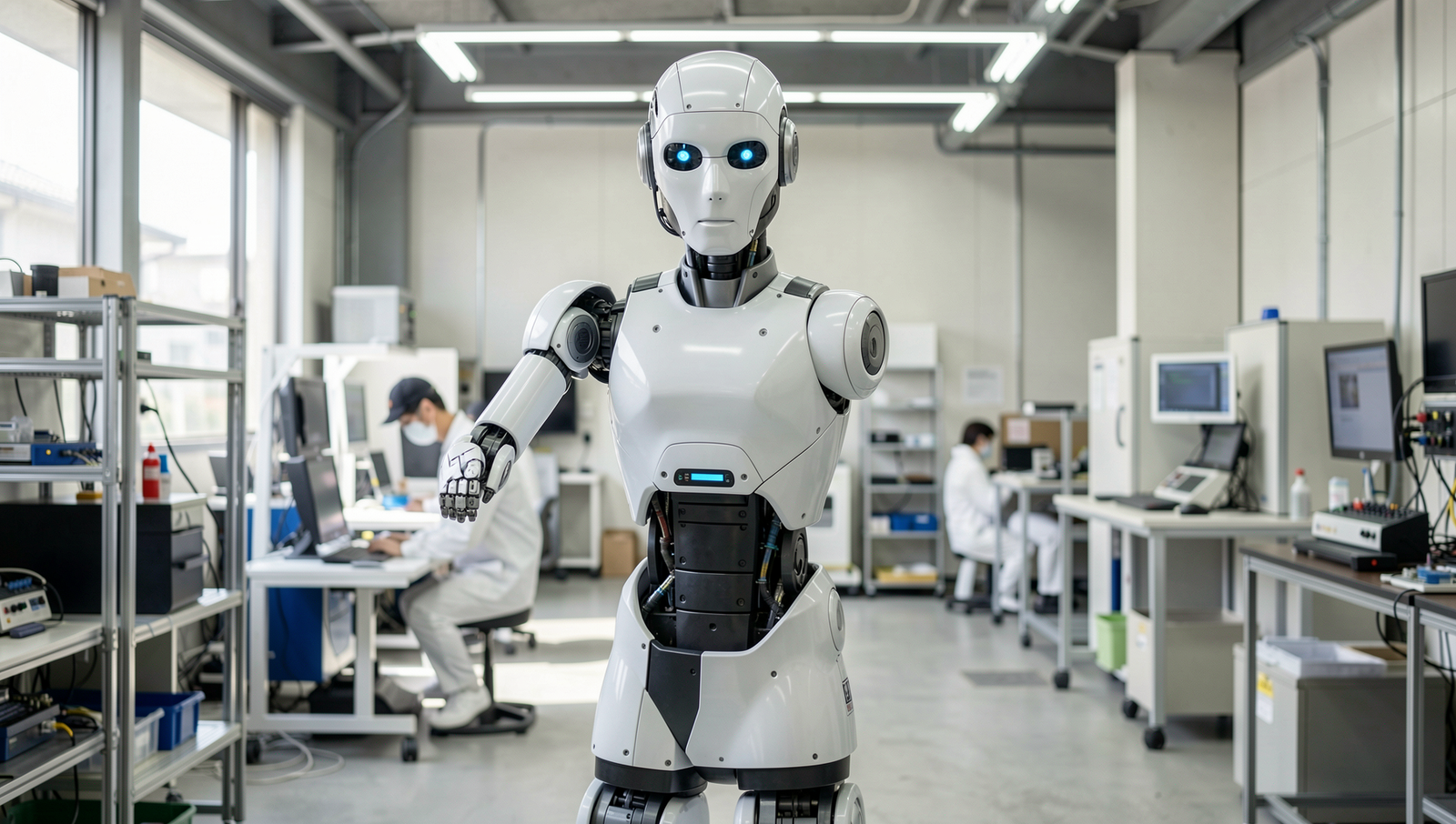
Emerging technology: Japan's human-like robot workers.
8 min read • 1,642 words
Table of Contents
ToggleJapan Robot Workers: Where Human-Like Machines Are Emerging
Japan is at the forefront of robotics, with over 300,000 industrial robots currently in operation, establishing itself as a global leader in automation. This remarkable achievement is not just about efficiency; it reflects Japan’s innovative spirit and its proactive approach to addressing significant societal challenges. As the nation grapples with an aging population and a shrinking workforce, the Japanese government is actively promoting robotics as a viable solution to these pressing issues.
In this article, readers will explore the fascinating world of Japan robot workers, including humanoid robots like ASIMO and Pepper, which are designed to assist in various sectors such as healthcare and customer service. With SoftBank’s Pepper robot capable of recognizing human emotions and engaging in meaningful conversations, the advancements in robotics are not only impressive but also essential for the future. The Japanese robot industry is projected to grow significantly, with investments exceeding $2 billion, highlighting the importance of this technology in shaping the future of work and society.
Introduction to Japan’s Robot Workforce
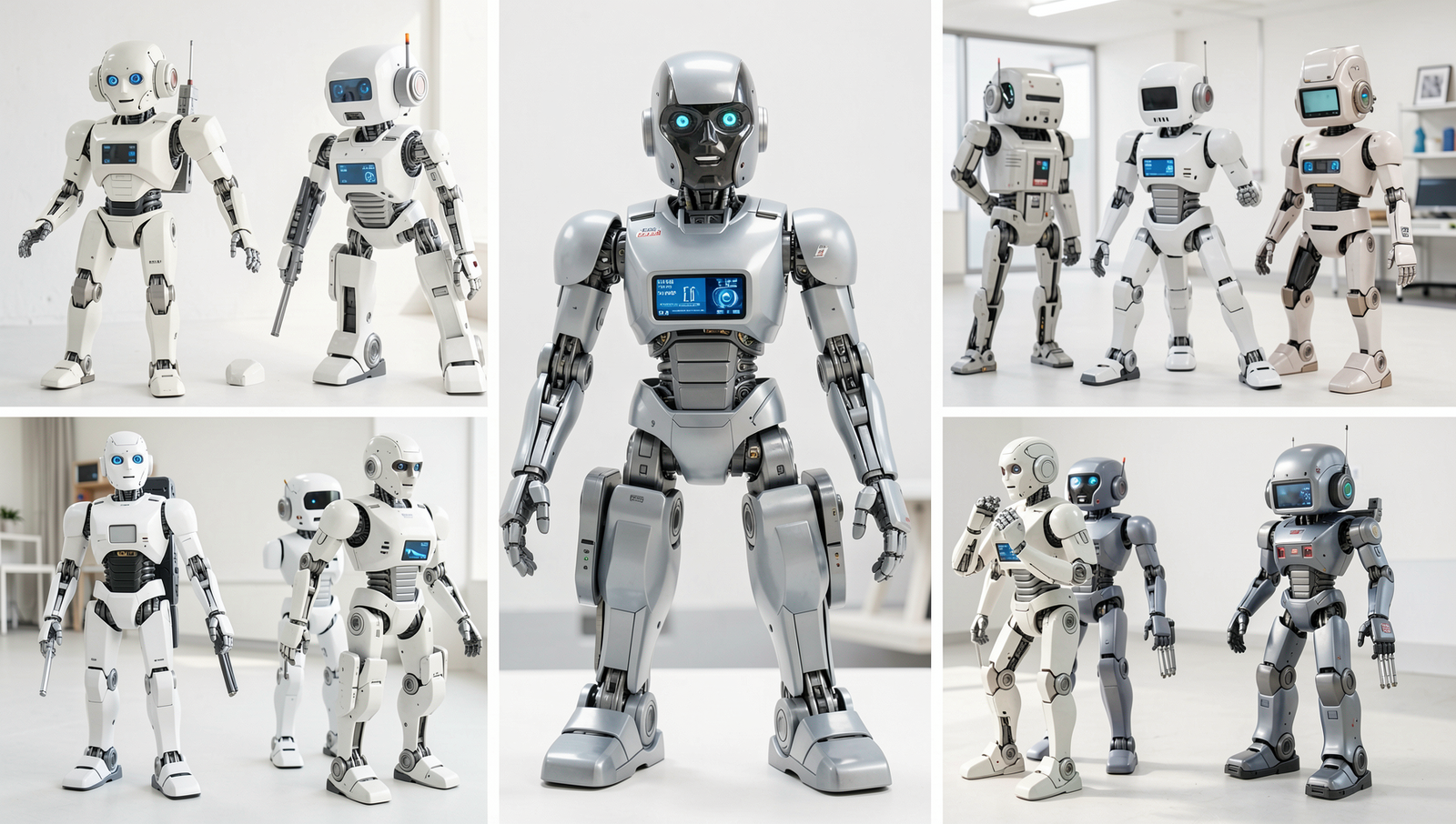
Japan is facing a significant demographic challenge with an aging population and a declining birthrate, leading to a labor shortage that has far-reaching implications for its economy. As the proportion of elderly citizens increases, the workforce shrinks, creating a pressing need for innovative solutions to maintain productivity. In response, Japan has turned to robotics, positioning itself as a leader in the development of human-like machines that can assist in various sectors, from manufacturing to healthcare.
The historical context of robotics in Japan dates back to the post-World War II era, when the nation began investing in technology to rebuild its economy. Over the decades, Japan has cultivated a strong robotics industry, with companies like Honda and Sony pioneering advancements in humanoid robots. The introduction of ASIMO, Honda’s iconic robot, showcased Japan’s commitment to creating machines that can interact with humans in meaningful ways.
Culturally, Japan has a unique relationship with robots, often depicted in media and folklore as companions and helpers. This acceptance is evident in the integration of robots into daily life, where they are not only seen as tools but also as entities that can enhance human experiences. For instance, robots like Pepper are employed in retail settings to assist customers, demonstrating the seamless blend of technology and human interaction.
- Government initiatives have played a crucial role in fostering robotics research and development.
- Programs aimed at promoting collaboration between academia and industry have accelerated innovation.
- Funding and support for startups in the robotics sector have increased, driving new ideas and applications.
As Japan continues to navigate its demographic challenges, the integration of robot workers into the workforce offers a promising solution. By embracing technology, Japan is not only addressing labor shortages but also setting a precedent for how societies can adapt to changing demographics through innovation.
Types of Human-Like Robots in Japan
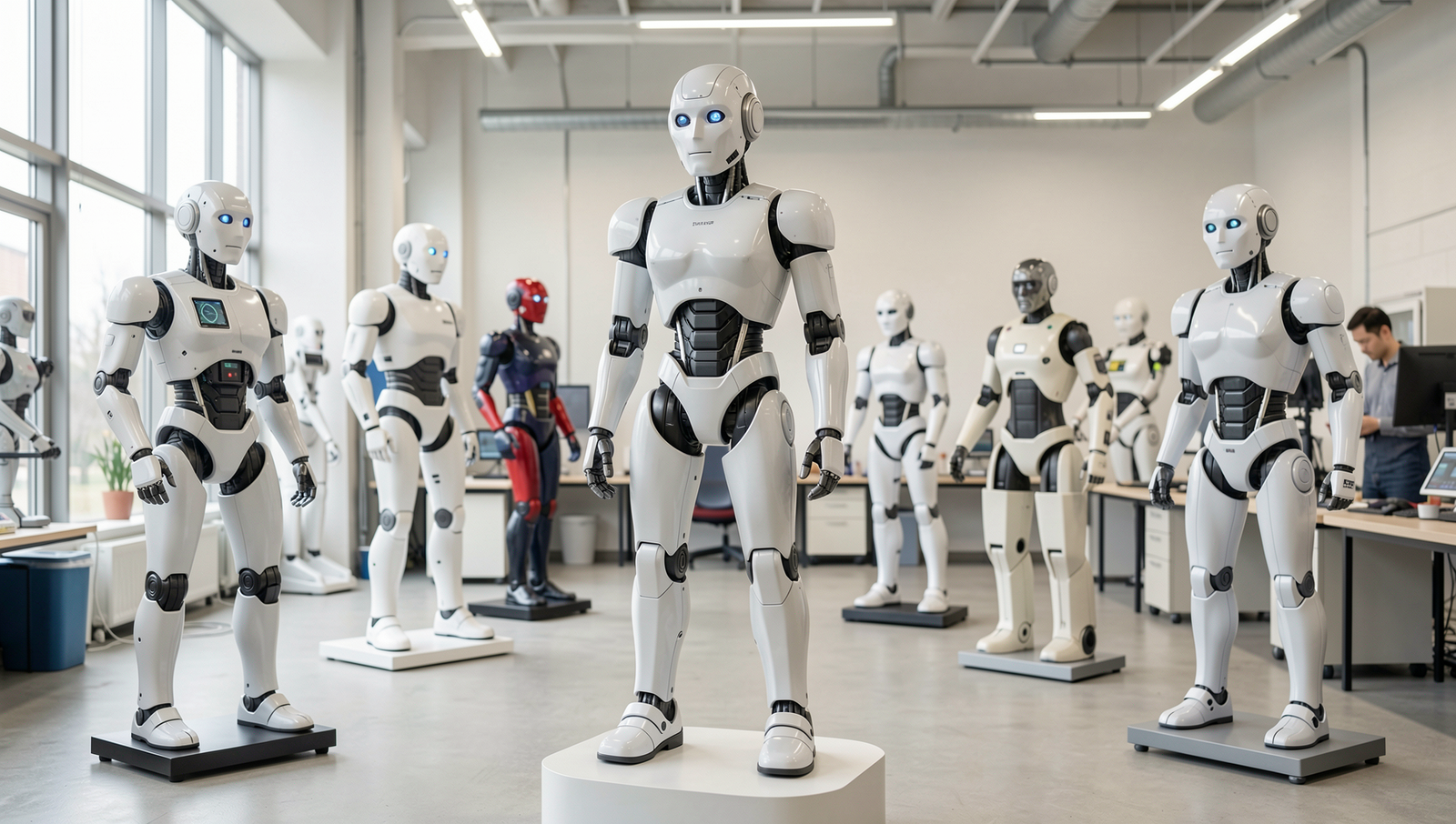
Japan has long been at the forefront of robotics, particularly in the development of human-like robots that serve various functions across multiple sectors. These robots are designed to enhance efficiency, improve quality of life, and address labor shortages in a rapidly aging society. The types of human-like robots in Japan can be categorized into several key areas:
- Service Robots in Hospitality and Healthcare: These robots are increasingly being deployed in hotels and hospitals to assist staff and improve customer experiences. For example, robots like
Pepperare used in hotels to greet guests, provide information, and even carry luggage. In healthcare, robots such asPARO, a therapeutic robot seal, help in providing comfort to patients with dementia. - Industrial Robots in Manufacturing and Assembly Lines: Japan is renowned for its advanced manufacturing capabilities, and robots play a crucial role in this sector. Companies like
FanucandKawasakiproduce robots that work alongside humans on assembly lines, performing tasks such as welding, painting, and packaging with precision and speed. - Companion Robots for Elderly Care and Companionship: With a significant portion of its population being elderly, Japan has developed companion robots like
RobiandRoboHon. These robots provide companionship, assist with daily tasks, and even monitor health conditions, helping to alleviate loneliness and improve the quality of life for seniors. - Research and Development of Humanoid Robots: Japan is home to some of the most advanced humanoid robots, such as
ASIMOdeveloped by Honda. ASIMO showcases cutting-edge technology in mobility and interaction, serving as a platform for research in robotics and artificial intelligence.
These various types of human-like robots not only demonstrate Japan’s technological prowess but also highlight the country’s commitment to integrating robotics into everyday life, addressing both social and economic challenges.
Technological Advancements Driving Robot Development
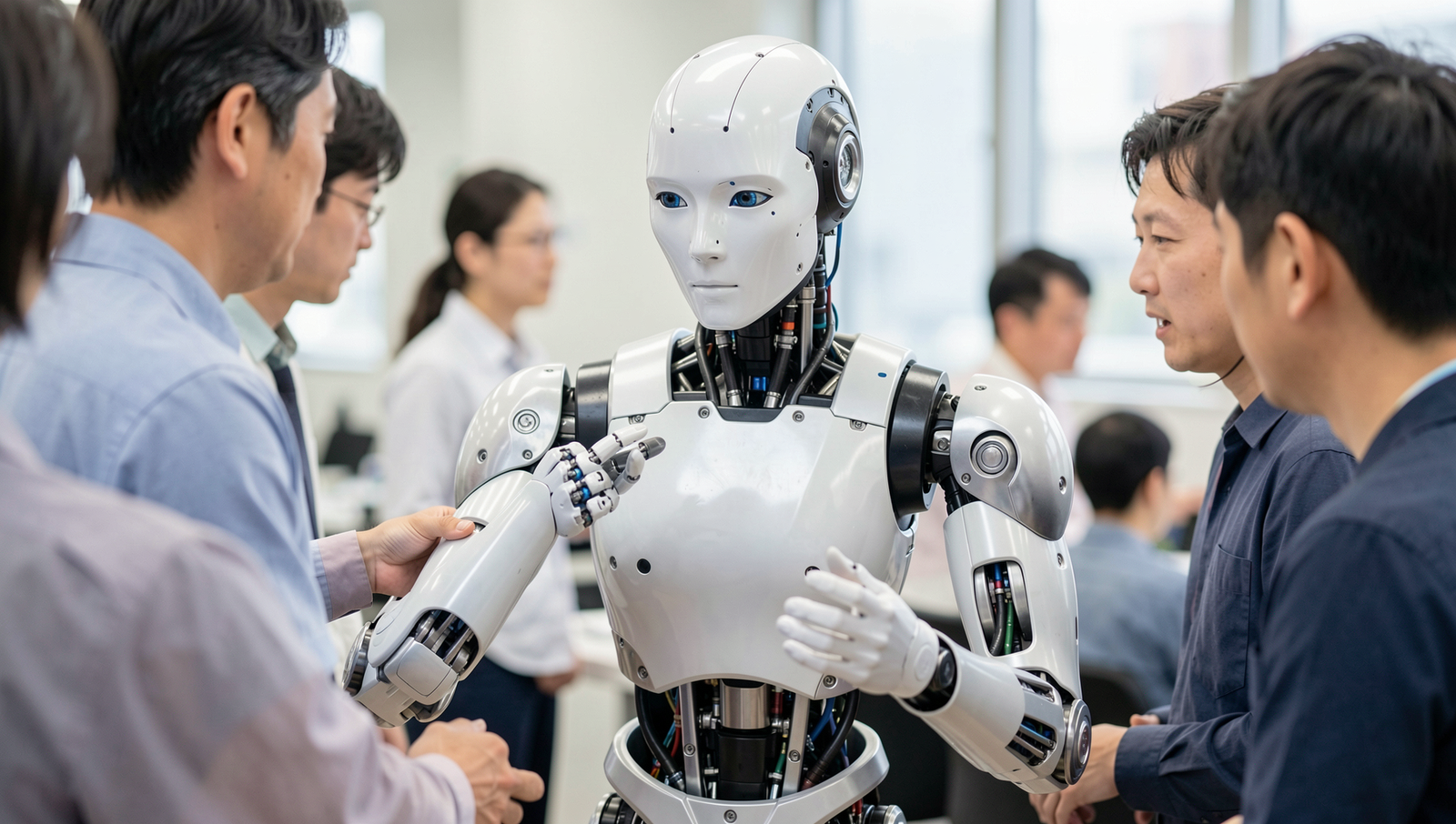
In recent years, Japan has emerged as a leader in the development of robot workers, driven by significant technological advancements. One of the most notable trends is the integration of artificial intelligence (AI) and machine learning into robotics. These technologies enable robots to learn from their environments, adapt to new tasks, and improve their performance over time. For instance, AI algorithms allow robots to analyze data from their surroundings, making them more efficient in tasks such as assembly line work and customer service.
Advancements in robotics hardware and sensors have also played a crucial role in the evolution of Japan robot workers. Modern robots are equipped with sophisticated sensors that enhance their ability to perceive and interact with the world. These sensors can detect obstacles, recognize human emotions, and even interpret gestures. As a result, robots can perform complex tasks with greater precision and safety. For example, the development of soft robotics has led to machines that can safely collaborate with humans in various settings, from factories to hospitals.
Moreover, improvements in human-robot interaction and communication have made it easier for people to work alongside robots. Natural language processing (NLP) technologies enable robots to understand and respond to human commands more effectively. This has been particularly beneficial in service industries, where robots can assist customers in retail environments or provide information in hospitality settings.
- Case Study: Pepper Robot – Developed by SoftBank Robotics, Pepper is designed to interact with people and has been successfully implemented in retail and healthcare settings.
- Case Study: ASIMO – Honda’s ASIMO robot showcases advanced mobility and human-like interactions, demonstrating the potential for robots in various applications.
These examples highlight the ongoing transformation in the robotics field, showcasing how Japan is at the forefront of integrating advanced technologies to create human-like machines that enhance productivity and improve quality of life.
Challenges and Future of Robot Workers in Japan
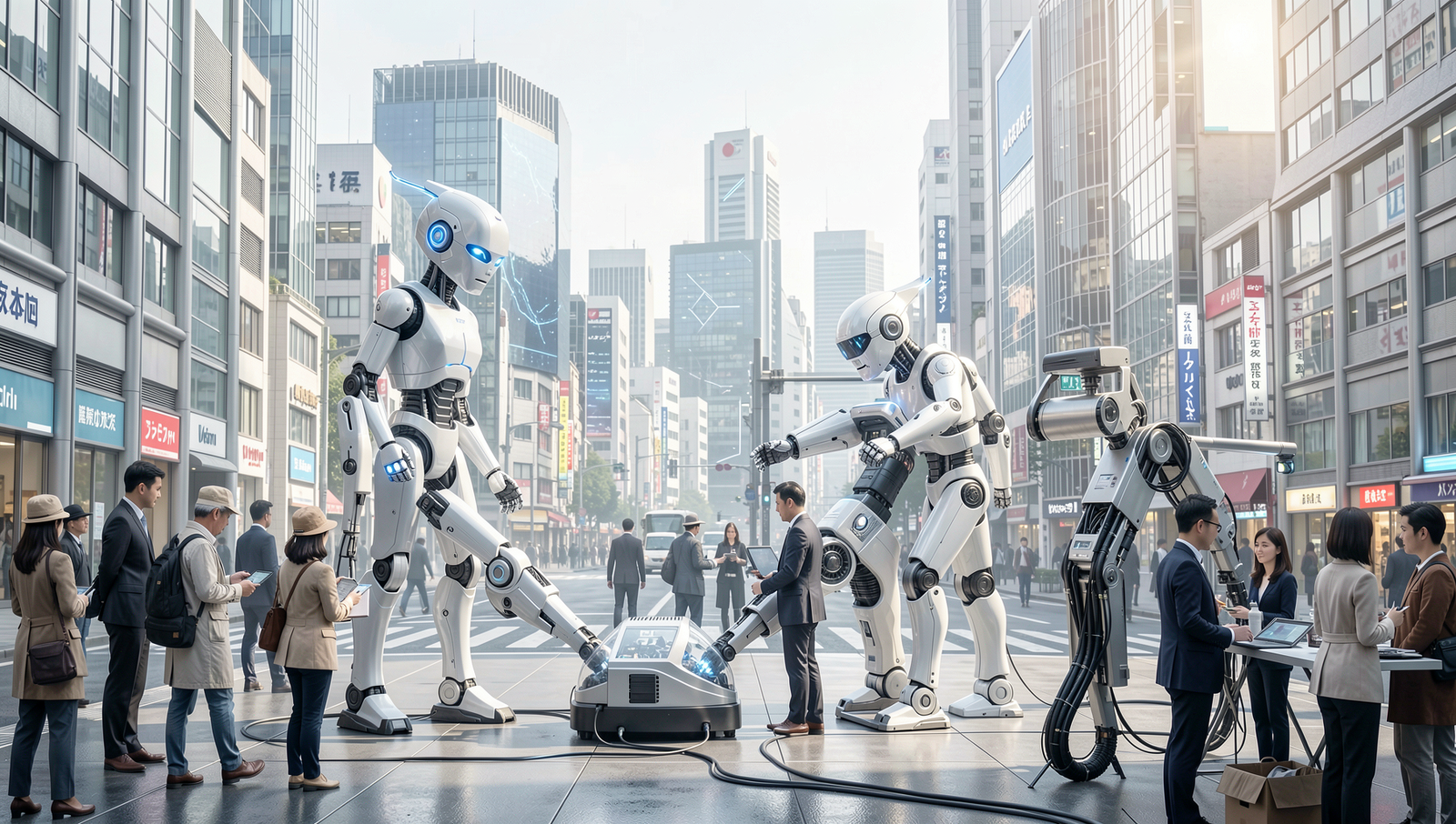
As Japan continues to integrate robot workers into various sectors, several challenges emerge that must be addressed to ensure a harmonious coexistence between humans and machines. One of the primary concerns revolves around ethical considerations and public perception of robots. Many individuals harbor fears about the implications of human-like machines taking over roles traditionally held by people. This anxiety can stem from cultural narratives surrounding robots, which often depict them as either helpers or threats. Public acceptance is crucial for the successful implementation of robot workers, and ongoing dialogue about their roles and capabilities is necessary to alleviate fears.
Another significant issue is job displacement. As robots become more capable, there is a growing concern about the economic impact of automation on the workforce. Many fear that widespread adoption of robot workers could lead to significant job losses, particularly in sectors such as manufacturing and service industries. However, proponents argue that while certain jobs may be lost, new opportunities will arise in robot maintenance, programming, and oversight, potentially leading to a shift in the job market rather than a net loss.
- Regulatory and safety challenges: The deployment of robot workers raises questions about safety standards and regulations. Ensuring that these machines operate safely alongside humans is paramount, and regulatory bodies must develop comprehensive guidelines to address these concerns.
- Future trends: Looking ahead, advancements in artificial intelligence and machine learning will likely enhance the capabilities of robot workers. We may see increased applications in healthcare, where robots assist in surgeries or provide companionship to the elderly, as well as in agriculture, where they can help with planting and harvesting.
In conclusion, while the integration of Japan robot workers presents numerous challenges, it also offers exciting possibilities for the future. Addressing ethical, economic, and regulatory concerns will be essential for fostering a productive relationship between humans and robots in the years to come.
Conclusion
Japan robot workers represent a significant leap forward in the integration of technology into the workforce. As the nation grapples with an aging population and a declining birthrate, the introduction of human-like machines serves as a viable solution to address labor shortages. These robots are not only designed to perform repetitive tasks but are also capable of engaging with customers, providing companionship, and assisting in various sectors such as healthcare and hospitality. This dual functionality enhances productivity while allowing human workers to focus on more complex and creative tasks.
Looking ahead, the continued development and deployment of Japan robot workers will require careful consideration of ethical implications and societal acceptance. As these machines become more prevalent, it is crucial to foster a collaborative environment where humans and robots can coexist harmoniously. By investing in research and development, Japan can lead the way in creating a future where technology and humanity work hand in hand, ultimately improving quality of life and economic stability.
Frequently Asked Questions
What are robot workers in Japan?
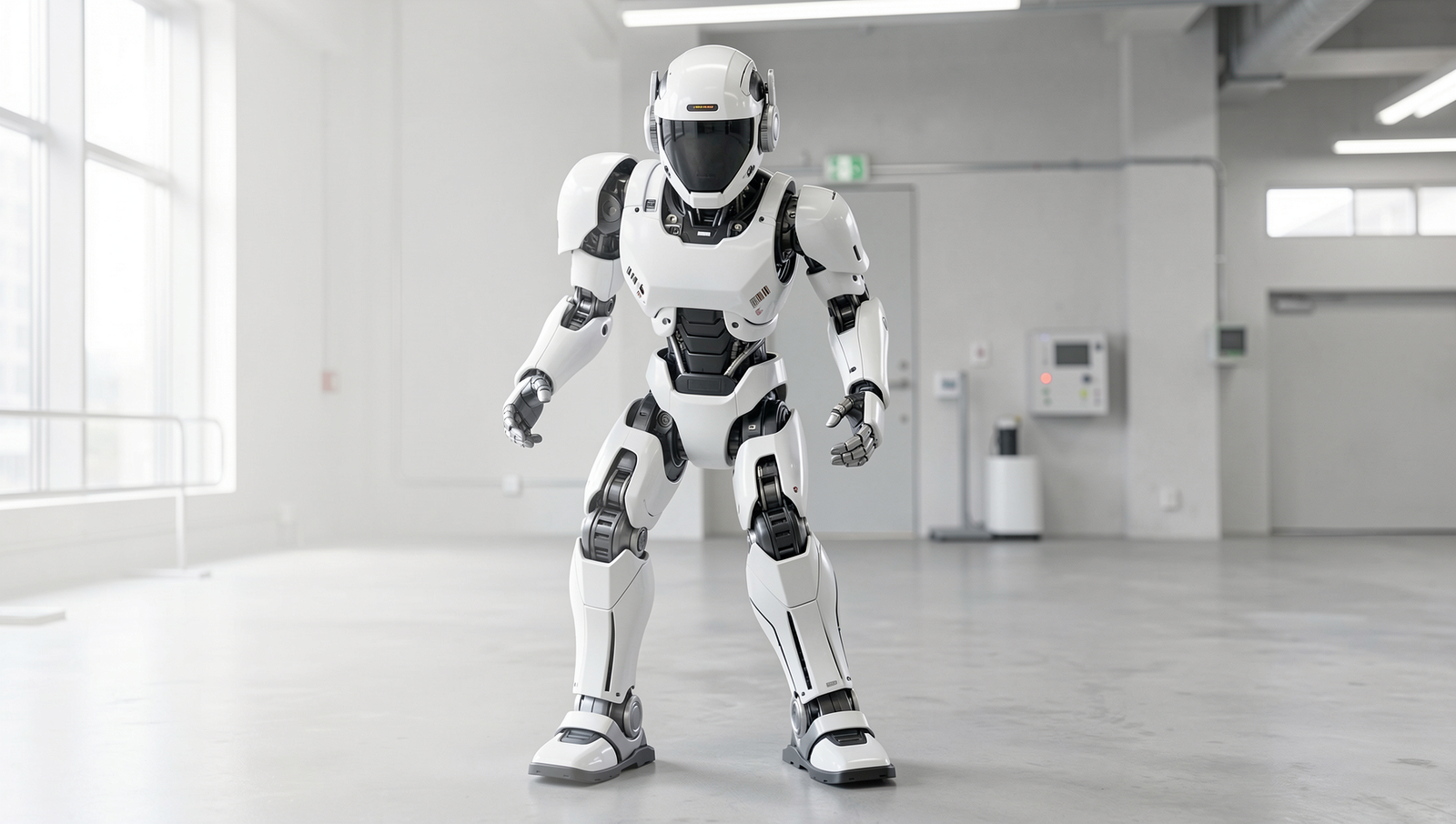
Robot workers in Japan refer to advanced machines designed to perform tasks traditionally carried out by humans. These robots can mimic human actions and behaviors, making them suitable for various roles
About the Author