Japan Health Tech: Digital Innovations Transforming Healthcare
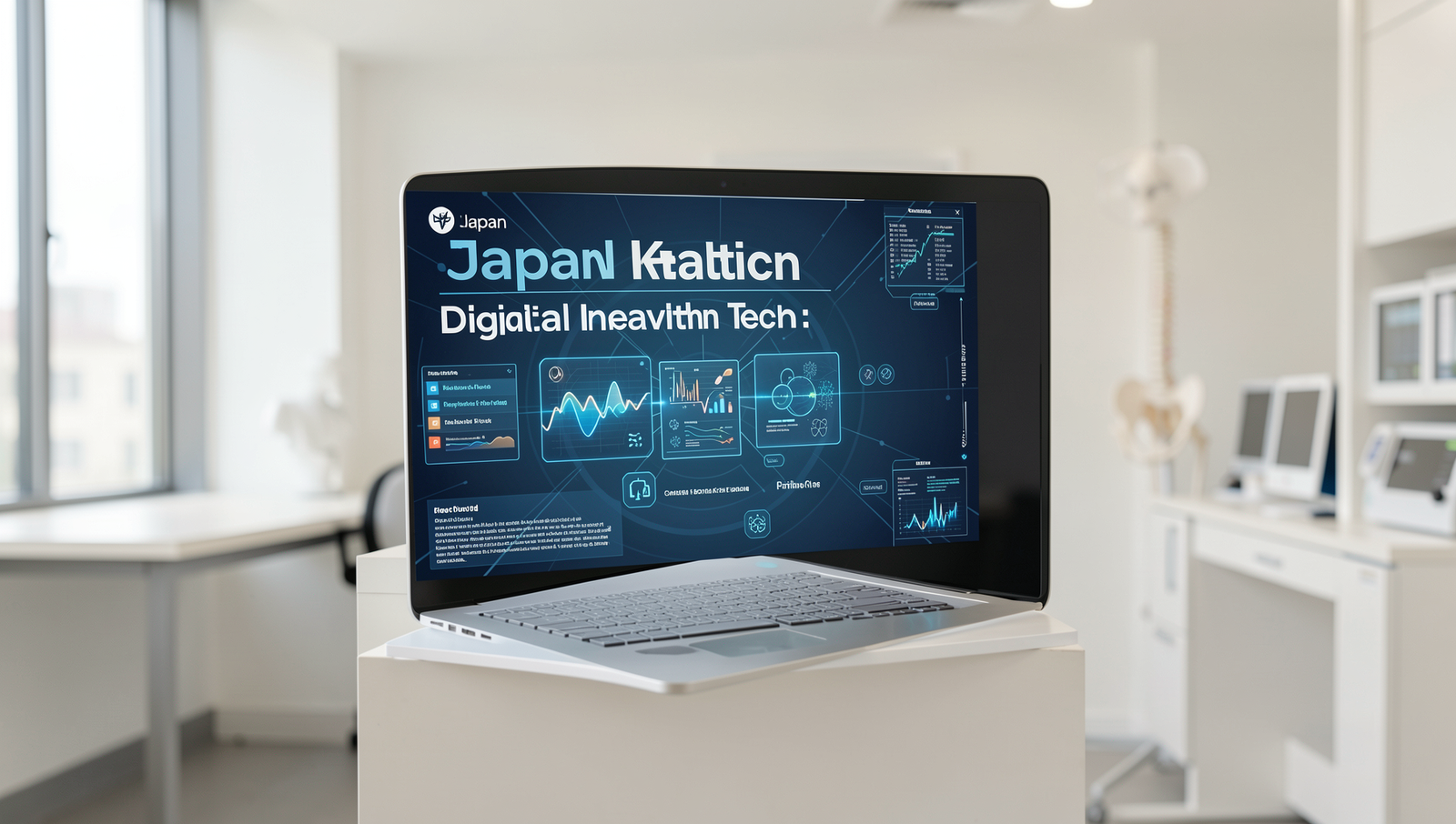
Innovative health tech transforming Japan's healthcare landscape.
8 min read • 1,631 words
Table of Contents
ToggleJapan Health Tech: Digital Innovations Transforming Healthcare
Japan Health Tech is at the forefront of revolutionizing healthcare, significantly impacting the way medical services are delivered and experienced. With the highest life expectancy in the world, Japan’s advanced health tech innovations play a crucial role in enhancing patient care and outcomes. This article explores the transformative digital innovations shaping the healthcare landscape in Japan, highlighting the importance of these advancements in improving overall public health.
Readers will learn about the remarkable surge in telemedicine usage, which increased by over 200% during the COVID-19 pandemic, and how artificial intelligence is being integrated into diagnostics to enhance accuracy and efficiency. Additionally, the growing popularity of wearable health devices, with a market growth rate of 15% annually, reflects a shift towards proactive health management. With projections indicating that Japan’s digital health market will reach $20 billion by 2025, the future of healthcare in Japan looks promising and innovative.
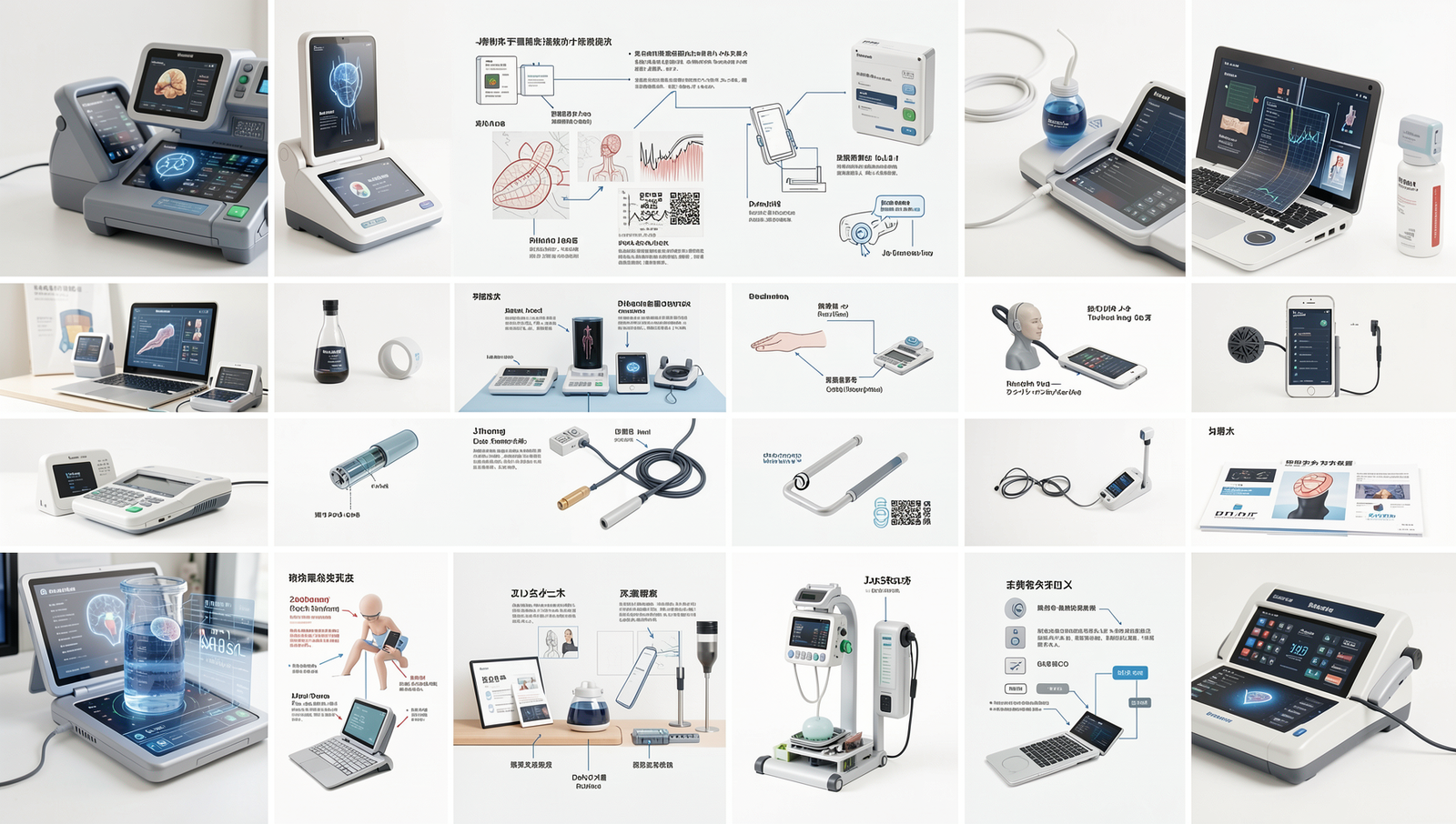
Introduction to Japan’s Health Tech Landscape
Japan’s healthcare system is renowned for its high standards and advanced medical technologies. However, it faces significant challenges, including an aging population, increasing healthcare costs, and a shortage of healthcare professionals. As the country grapples with these issues, the integration of technology into healthcare has emerged as a vital solution. The Japanese government has recognized the potential of digital innovations to enhance healthcare delivery, improve patient outcomes, and streamline operations.
Technology plays a crucial role in addressing these healthcare challenges. For instance, telemedicine has gained traction, allowing patients to consult with healthcare providers remotely, which is particularly beneficial in rural areas where access to medical facilities is limited. Additionally, electronic health records (EHRs) have become more prevalent, enabling better data management and facilitating coordinated care among providers.
Key players in Japan’s health tech sector include a mix of established companies and startups. Major corporations like Fujitsu and Hitachi are investing heavily in health tech solutions, focusing on data analytics and AI-driven applications. Meanwhile, startups such as Medley and Qol are developing innovative platforms that cater to specific healthcare needs, such as online medical consultations and health management apps.
- Telemedicine: Platforms like “CLINICS” enable virtual consultations, reducing the need for in-person visits.
- Wearable Devices: Companies like Omron are producing health-monitoring devices that track vital signs and promote preventive care.
- AI and Data Analytics: Solutions from firms like Preferred Networks are enhancing diagnostics and treatment planning through machine learning.
Recent trends in Japan Health Tech indicate a growing emphasis on patient-centered care, with innovations aimed at empowering patients to take charge of their health. As the landscape continues to evolve, the synergy between technology and healthcare promises to reshape the future of medical services in Japan.
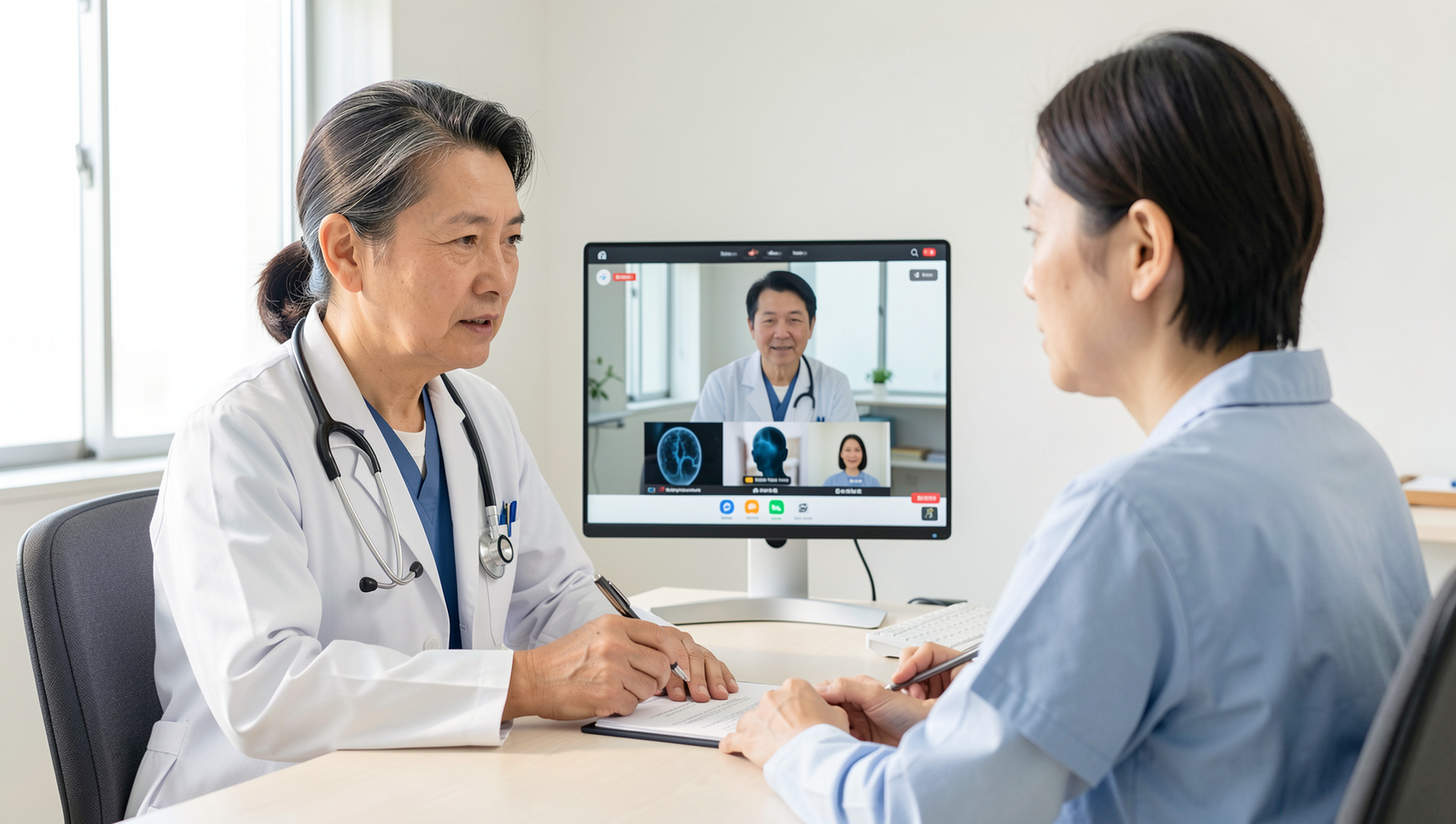
Telemedicine and Remote Patient Monitoring
In recent years, particularly following the COVID-19 pandemic, Japan has witnessed a significant growth in telemedicine services. The necessity for social distancing and the need to minimize hospital visits propelled both healthcare providers and patients to adopt digital health solutions. Telemedicine has emerged as a crucial tool in ensuring continuity of care while maintaining safety protocols.
Technological advancements have played a pivotal role in enabling remote consultations. High-speed internet access, the proliferation of smartphones, and user-friendly telehealth platforms have made it easier for patients to connect with healthcare professionals from the comfort of their homes. For instance, platforms like LINE and Telehealth have gained popularity, allowing patients to schedule virtual appointments, receive diagnoses, and even obtain prescriptions without needing to visit a clinic.
Remote patient monitoring has become an essential component of chronic disease management. This approach allows healthcare providers to track patients’ health metrics, such as blood pressure, glucose levels, and heart rate, in real-time. The benefits of this technology include:
- Improved patient engagement and adherence to treatment plans.
- Early detection of potential health issues, leading to timely interventions.
- Reduced hospital readmissions and emergency room visits.
- Enhanced quality of life for patients managing chronic conditions.
The regulatory framework in Japan has also evolved to support the expansion of telemedicine. The Ministry of Health, Labour and Welfare has implemented guidelines that facilitate remote consultations and ensure the safety and privacy of patient data. These regulations have encouraged healthcare providers to embrace digital innovations, further solidifying Japan’s position as a leader in health tech.
As Japan continues to integrate telemedicine and remote patient monitoring into its healthcare system, the potential for improved health outcomes and increased accessibility is immense. The ongoing commitment to digital health solutions signifies a transformative shift in how healthcare is delivered in the country.
Artificial Intelligence and Data Analytics in Healthcare
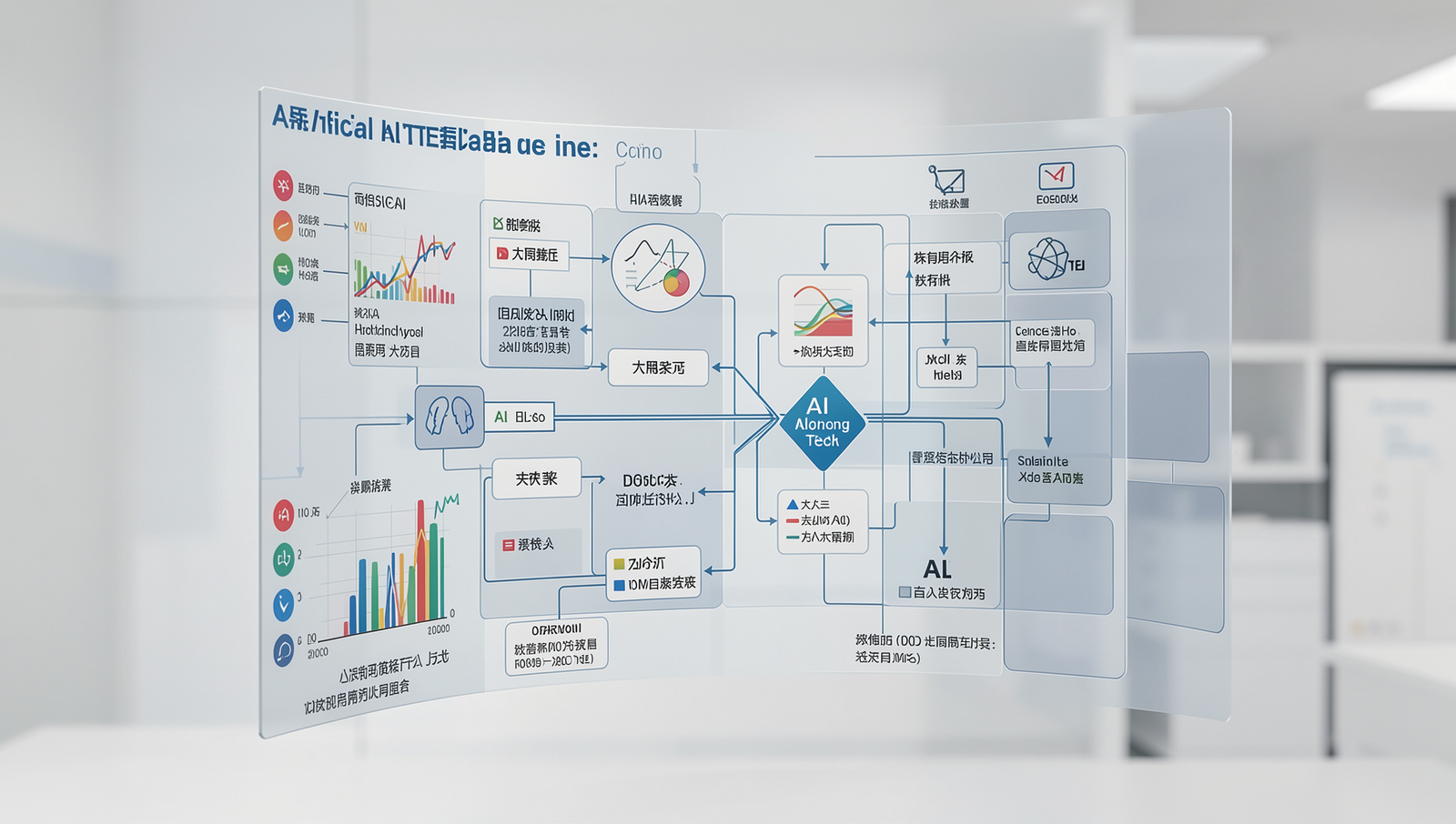
In recent years, Japan Health Tech has witnessed a remarkable transformation driven by artificial intelligence (AI) and data analytics. These technologies are reshaping the landscape of healthcare by enhancing diagnostic accuracy and streamlining treatment planning. AI algorithms are now capable of analyzing medical images, such as X-rays and MRIs, with precision that often surpasses human capabilities. For instance, AI systems can detect early signs of diseases like cancer, allowing for timely interventions that significantly improve patient outcomes.
Moreover, AI is being utilized in treatment planning by analyzing vast datasets to recommend personalized treatment options. This approach not only enhances the effectiveness of therapies but also minimizes adverse effects, as treatments can be tailored to individual patient profiles. For example, AI-driven platforms can suggest the most effective chemotherapy regimens based on a patient’s genetic makeup and tumor characteristics.
Data analytics plays a crucial role in improving patient outcomes and operational efficiency within healthcare institutions. By harnessing big data, hospitals can track patient progress, identify trends, and optimize resource allocation. Predictive analytics can forecast patient admissions, enabling better staffing and reducing wait times. Additionally, analytics can help in monitoring chronic diseases, allowing for proactive management and reducing hospital readmissions.
- AI in diagnostics: Early detection of diseases.
- AI in treatment: Personalized therapy recommendations.
- Data analytics: Enhanced operational efficiency.
- Predictive analytics: Improved patient management.
However, the integration of AI and data analytics in healthcare is not without challenges. Data privacy and security remain paramount concerns, as sensitive patient information is at risk of breaches. Ensuring compliance with regulations such as Japan’s Act on the Protection of Personal Information is essential for building trust in these technologies.
Case studies highlight the successful implementation of AI in Japan Health Tech. For instance, a leading hospital in Tokyo utilized AI to streamline its radiology department, resulting in a 30% reduction in diagnosis time and improved patient satisfaction. Such examples illustrate the potential of AI and data analytics to revolutionize healthcare delivery in Japan.
Future Trends and Challenges in Japan’s Health Tech
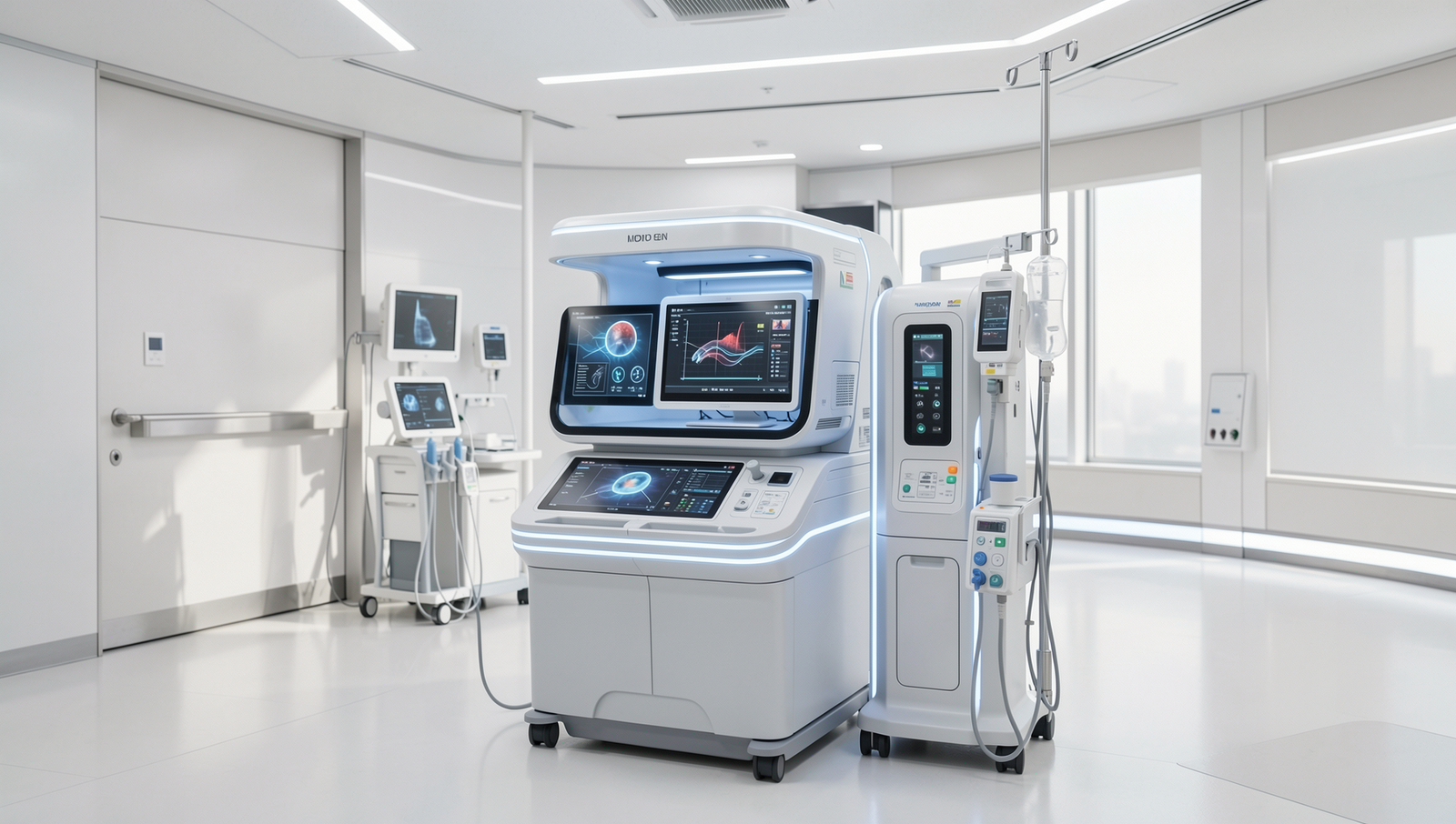
As Japan continues to embrace digital innovations in healthcare, several emerging technologies are poised to reshape the landscape of health tech. Wearables, for instance, are becoming increasingly sophisticated, allowing for real-time monitoring of vital signs and health metrics. Devices such as smartwatches and fitness trackers can track heart rates, sleep patterns, and physical activity, providing valuable data that can be shared with healthcare providers for better patient management.
Another promising technology on the horizon is blockchain. This decentralized ledger technology has the potential to enhance data security and interoperability in healthcare systems. By enabling secure sharing of patient records among different healthcare providers, blockchain can streamline processes, reduce errors, and improve patient outcomes. However, the adoption of such technologies is not without challenges.
Several barriers may hinder the widespread implementation of health tech solutions in Japan. These include regulatory hurdles, concerns about data privacy, and the need for significant investment in infrastructure. Additionally, there may be resistance from healthcare professionals who are accustomed to traditional methods of patient care and may be hesitant to adopt new technologies.
Collaboration between tech companies and healthcare providers is crucial for overcoming these challenges. By working together, they can develop solutions that are not only innovative but also practical and user-friendly. For example, partnerships can facilitate the integration of health tech into existing healthcare systems, ensuring that new tools complement rather than disrupt current practices.
Looking ahead, predictions for Japan Health Tech suggest a continued trend toward personalization and preventive care. As technology advances, patients will likely have more control over their health data and treatment options, leading to improved health outcomes and a more efficient healthcare system overall.
Conclusion
Japan Health Tech is at the forefront of transforming healthcare through digital innovations that enhance patient care and streamline medical processes. The integration of advanced technologies such as telemedicine, artificial intelligence, and wearable devices has significantly improved access to healthcare services, especially in rural areas. These innovations not only facilitate timely diagnoses and treatments but also empower patients to take charge of their health through real-time data monitoring and personalized care plans. As a result, Japan is setting a global benchmark for how technology can be harnessed to improve health outcomes.
Looking ahead, the next steps for Japan Health Tech involve further investment in research and development, fostering collaborations between tech companies and healthcare providers, and addressing regulatory challenges. By continuing to innovate and adapt, Japan can ensure that its healthcare system remains resilient and responsive to the needs of its aging population. Embracing these digital advancements will ultimately lead to a healthier society and a more efficient healthcare landscape.
Frequently Asked Questions
What are some key digital innovations in Japan’s healthcare sector?
Japan’s healthcare sector has embraced various digital innovations, including electronic health records, telehealth platforms, and advanced medical imaging technologies. These innovations enhance patient care by improving data accessibility, streamlining processes, and facilitating better communication between healthcare providers and patients.
How is telemedicine being utilized in Japan?
Telemedicine in Japan is increasingly being utilized to provide remote consultations, especially in rural areas where access to
About the Author