Japan Medical Robots: How Automation Is Entering Hospitals
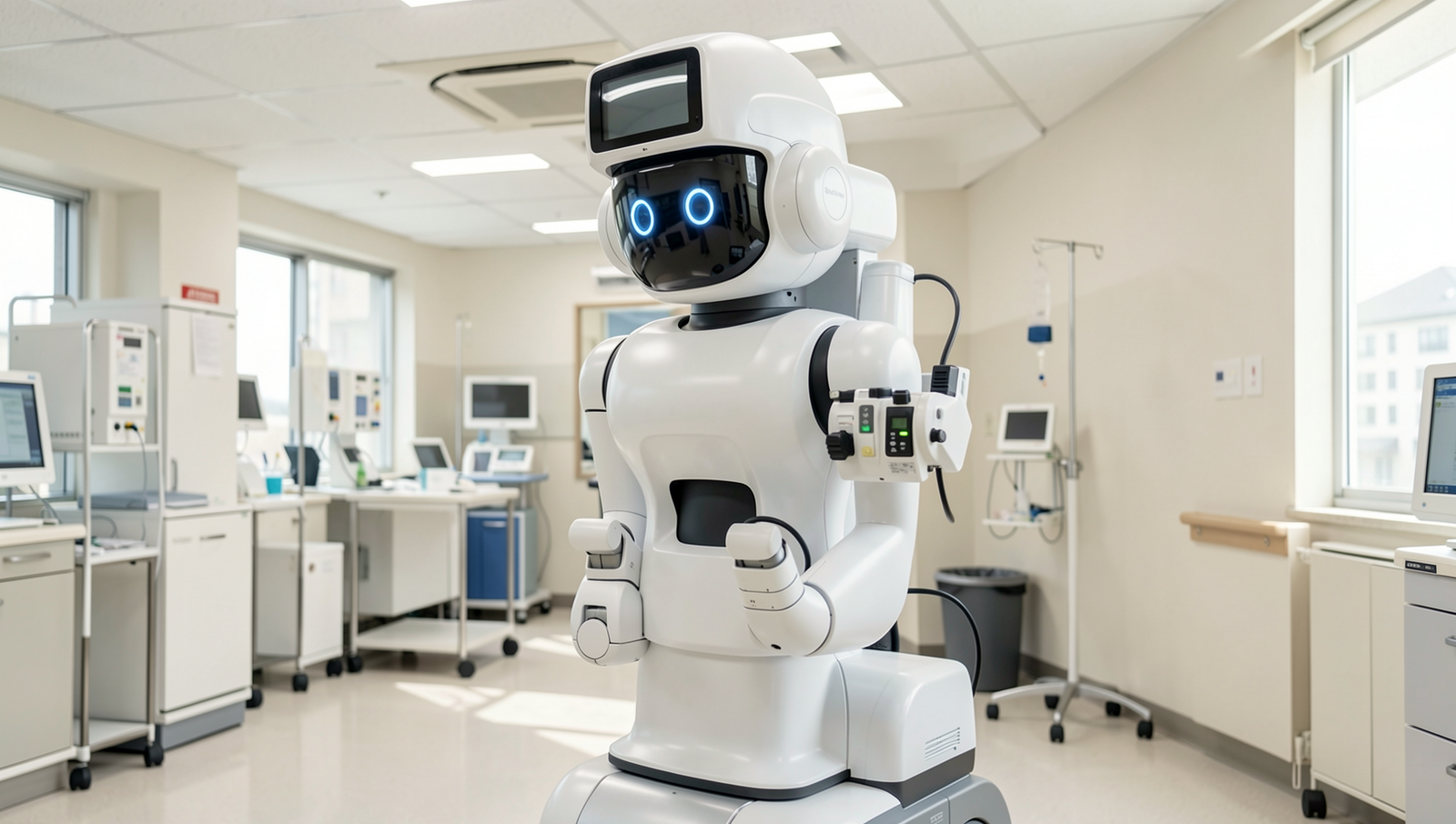
Exploring automation in Japan's healthcare with advanced medical robots.
8 min read • 1,645 words
Table of Contents
ToggleJapan Medical Robots: How Automation Is Entering Hospitals
Japan is at the forefront of integrating technology into healthcare, boasting the highest density of robots in hospitals worldwide. With over 500 medical robots deployed across the nation, Japan medical robots are revolutionizing patient care and hospital operations. This article delves into the various applications of these advanced machines, from surgical robots that can reduce recovery times by up to 30% to telepresence robots that facilitate remote consultations, enhancing access to specialized medical services.
The significance of Japan’s investment in medical robotics cannot be overstated, as it is projected to exceed $1 billion by 2025. As the country faces an aging population, robots are increasingly assisting in elderly care, helping with mobility and daily tasks. Readers will gain insights into how these innovations are shaping the future of healthcare in Japan and what this means for the global medical landscape.
Introduction to Medical Robotics in Japan
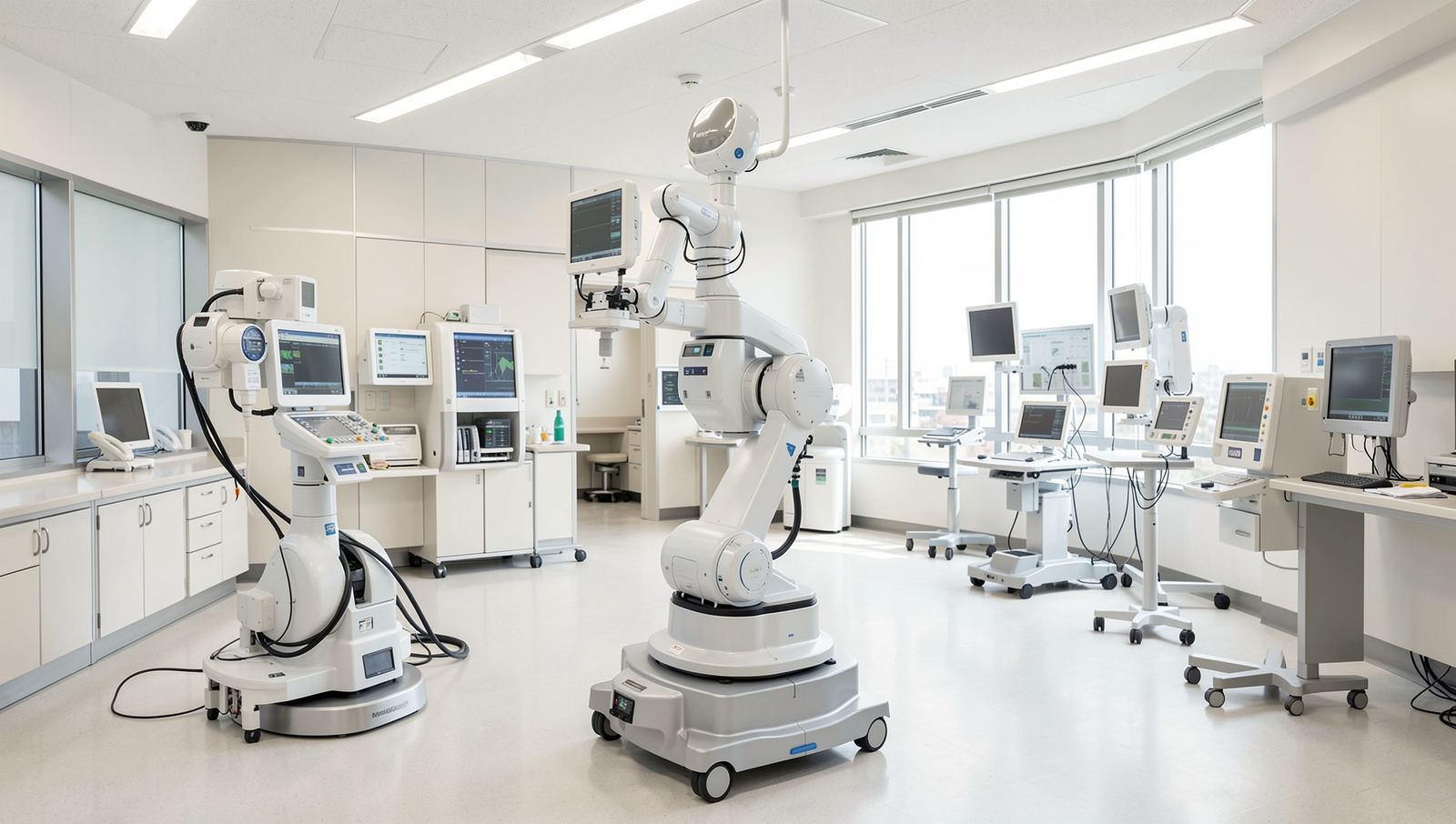
Japan is renowned for its advanced technology and innovation, particularly in the field of healthcare. The current state of healthcare in Japan faces numerous challenges, including an aging population, a shortage of healthcare professionals, and rising medical costs. These issues have prompted the need for innovative solutions, and automation through medical robots has emerged as a promising avenue to enhance efficiency and patient care.
Automation is crucial in addressing these healthcare challenges. By integrating robotics into medical practices, hospitals can streamline operations, reduce human error, and improve patient outcomes. Medical robots can assist in surgeries, manage logistics, and even provide companionship to patients, thereby alleviating some of the burdens on healthcare staff. This shift towards automation not only enhances the quality of care but also allows healthcare professionals to focus on more complex tasks that require human empathy and decision-making.
The development of medical robotics in Japan has a rich history. It began in the late 20th century, with early prototypes focusing on rehabilitation and surgical assistance. Over the years, advancements in artificial intelligence and machine learning have significantly improved the capabilities of these robots. Today, Japan is at the forefront of medical robotics, with numerous innovations that have set benchmarks globally.
- Da Vinci Surgical System: A robotic surgical system that allows surgeons to perform minimally invasive surgeries with precision.
- PARO Therapeutic Robot: A robotic seal designed to provide comfort and companionship to elderly patients in care facilities.
- Robotic Exoskeletons: Devices that assist patients with mobility issues, helping them regain independence.
Key players in the Japanese medical robotics market include companies like Intuitive Surgical, Cyberdyne, and Panasonic. These organizations are leading the charge in research and development, continually pushing the boundaries of what medical robots can achieve. As Japan continues to embrace automation in healthcare, the future looks promising for both patients and medical professionals alike.
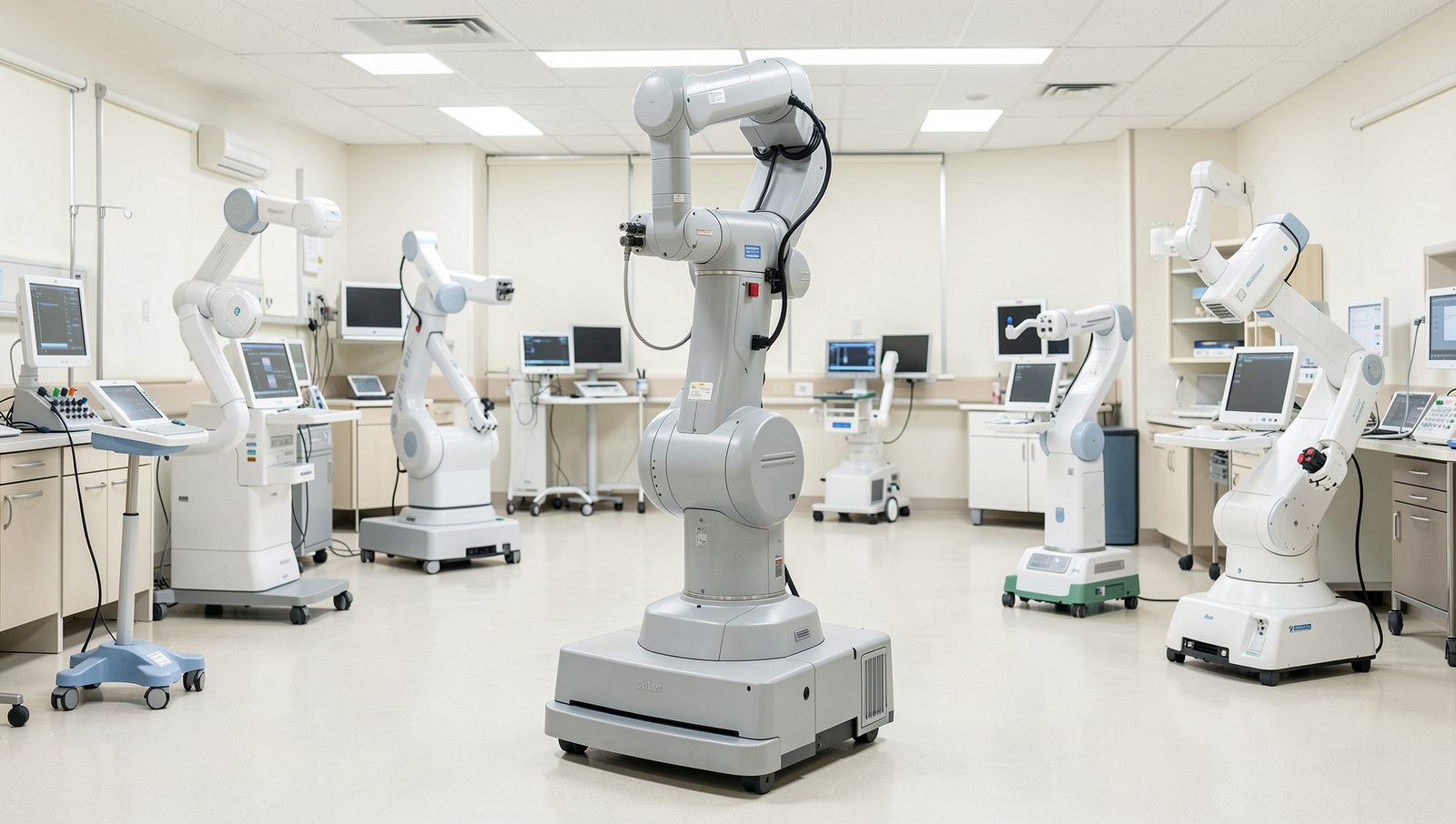
Types of Medical Robots Used in Japanese Hospitals
Japan has been at the forefront of integrating technology into healthcare, and medical robots play a crucial role in this transformation. Various types of robots are being utilized in hospitals across the country, each designed to enhance patient care and improve operational efficiency.
One prominent category is surgical robots. These advanced systems provide surgeons with enhanced precision and control during complex procedures. For example, the da Vinci Surgical System allows for minimally invasive surgeries, reducing recovery times and improving patient outcomes. Surgeons can perform delicate operations with greater accuracy, leading to fewer complications and shorter hospital stays.
Another significant type is rehabilitation robots. These robots assist in the recovery process for patients who have undergone surgery or suffered from strokes. Devices like the HAL (Hybrid Assistive Limb) help patients regain mobility by providing support and feedback during rehabilitation exercises. This technology not only accelerates recovery but also motivates patients to engage more actively in their rehabilitation programs.
Telepresence robots are also making waves in Japanese hospitals. These robots facilitate remote consultations, allowing specialists to interact with patients and other healthcare providers from different locations. For instance, a doctor can use a telepresence robot to conduct a virtual examination, providing immediate care without the need for physical presence. This is particularly beneficial in rural areas where access to specialists may be limited.
Lastly, logistics robots are improving hospital efficiency by automating the transport of supplies and medications. Robots like the TUG can navigate through hospital corridors, delivering items to various departments. This not only saves time for healthcare staff but also minimizes human error in the supply chain, ensuring that critical resources are available when needed.
In summary, Japan medical robots are revolutionizing the healthcare landscape, offering innovative solutions that enhance surgical precision, aid in rehabilitation, facilitate remote consultations, and streamline logistics within hospitals.

Benefits of Automation in Healthcare
The integration of Japan medical robots into healthcare systems has revolutionized the way hospitals operate, offering numerous benefits that enhance both patient care and operational efficiency. One of the most significant advantages is the increased precision and reduced human error that automation brings. Surgical robots, for example, allow surgeons to perform intricate procedures with unparalleled accuracy, minimizing the risk of complications and improving surgical outcomes.
Enhanced patient outcomes and satisfaction are another critical benefit of automation in healthcare. With the assistance of robots, healthcare providers can offer more personalized and timely care. For instance, robots can assist in rehabilitation, providing patients with tailored exercises and monitoring their progress in real-time. This not only speeds up recovery times but also ensures that patients feel more engaged in their treatment, leading to higher satisfaction rates.
Furthermore, automation contributes to efficiency in hospital operations and resource management. By utilizing robots for tasks such as inventory management, medication dispensing, and even patient transportation, hospitals can streamline their workflows. This allows healthcare professionals to focus more on direct patient care rather than administrative duties. For example, robotic systems can track and manage supplies, ensuring that critical items are always available without the need for constant human oversight.
Another pressing issue that automation addresses is the labor shortages in the healthcare sector. As the demand for healthcare services continues to rise, many facilities struggle to maintain adequate staffing levels. Japan medical robots can fill gaps in service, performing routine tasks and allowing human staff to concentrate on more complex care needs. This not only alleviates the burden on healthcare workers but also helps maintain high standards of care even in challenging circumstances.
- Increased precision and reduced human error
- Enhanced patient outcomes and satisfaction
- Efficiency in hospital operations and resource management
- Addressing labor shortages in the healthcare sector
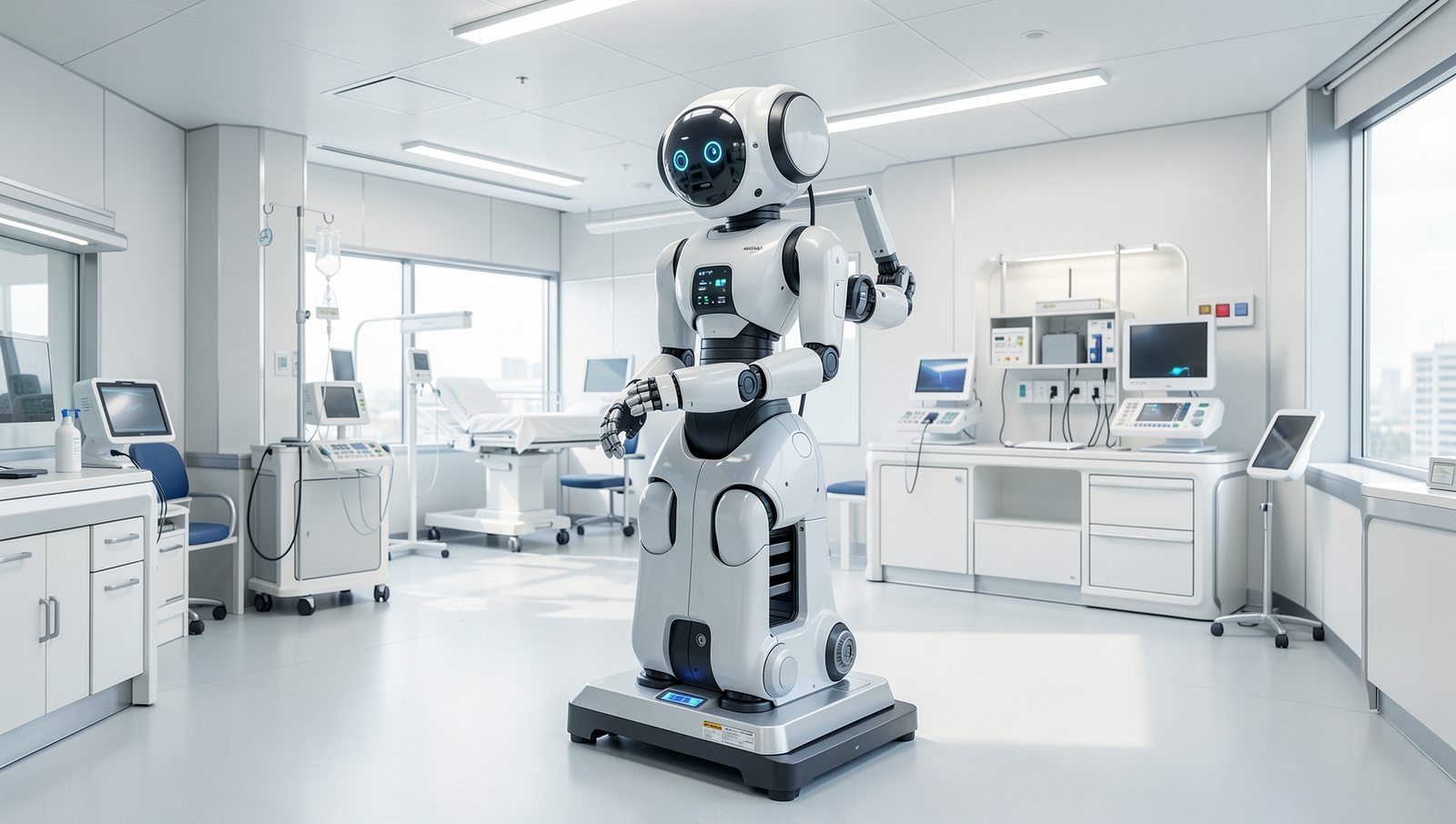
Challenges and Future Prospects of Medical Robotics
The integration of Japan medical robots into healthcare systems presents several challenges that need to be addressed for successful implementation. One of the most significant hurdles is the high costs associated with acquiring and maintaining these advanced technologies. Hospitals often face funding issues, as budgets are typically tight, and the initial investment for robotics can be substantial. This financial barrier can limit the accessibility of medical robots, particularly in smaller healthcare facilities.
Moreover, regulatory hurdles pose another challenge. The approval process for medical devices, including robots, is rigorous and can be time-consuming. Safety concerns are paramount, as any malfunction or error in a medical robot could have serious implications for patient care. Regulatory bodies must ensure that these robots meet strict safety standards before they can be deployed in hospitals.
Integration with existing healthcare systems is also a critical concern. Many hospitals operate with legacy systems that may not be compatible with new robotic technologies. This can lead to inefficiencies and require additional investments in IT infrastructure. Training staff to work alongside robots is essential, as healthcare professionals need to be comfortable and proficient in using these new tools to enhance patient care.
- High costs and funding issues for hospitals
- Regulatory hurdles and safety concerns
- Integration with existing healthcare systems
Looking to the future, trends such as artificial intelligence (AI) and machine learning are set to revolutionize the field of medical robotics. These technologies can enhance the capabilities of robots, allowing for more precise surgeries and improved patient outcomes. As AI continues to evolve, we can expect Japan medical robots to become more sophisticated, ultimately leading to a more efficient healthcare system that leverages automation to improve patient care.
Conclusion
Japan medical robots are revolutionizing the healthcare landscape by enhancing efficiency and precision in hospitals. The integration of automation into medical practices has led to improved patient outcomes, reduced operational costs, and alleviated the burden on healthcare professionals. With robots performing tasks ranging from surgery to patient care, the potential for minimizing human error and maximizing productivity is significant. This technological advancement not only streamlines hospital operations but also allows medical staff to focus more on patient interaction, which is crucial for holistic care.
Looking ahead, the next steps for Japan medical robots involve further research and development to expand their capabilities. As the technology continues to evolve, it is essential for healthcare institutions to invest in training programs that equip staff with the skills needed to work alongside these advanced systems. By fostering a collaborative environment between humans and robots, Japan can lead the way in setting new standards for healthcare delivery, ultimately benefiting patients and healthcare providers alike.
Frequently Asked Questions
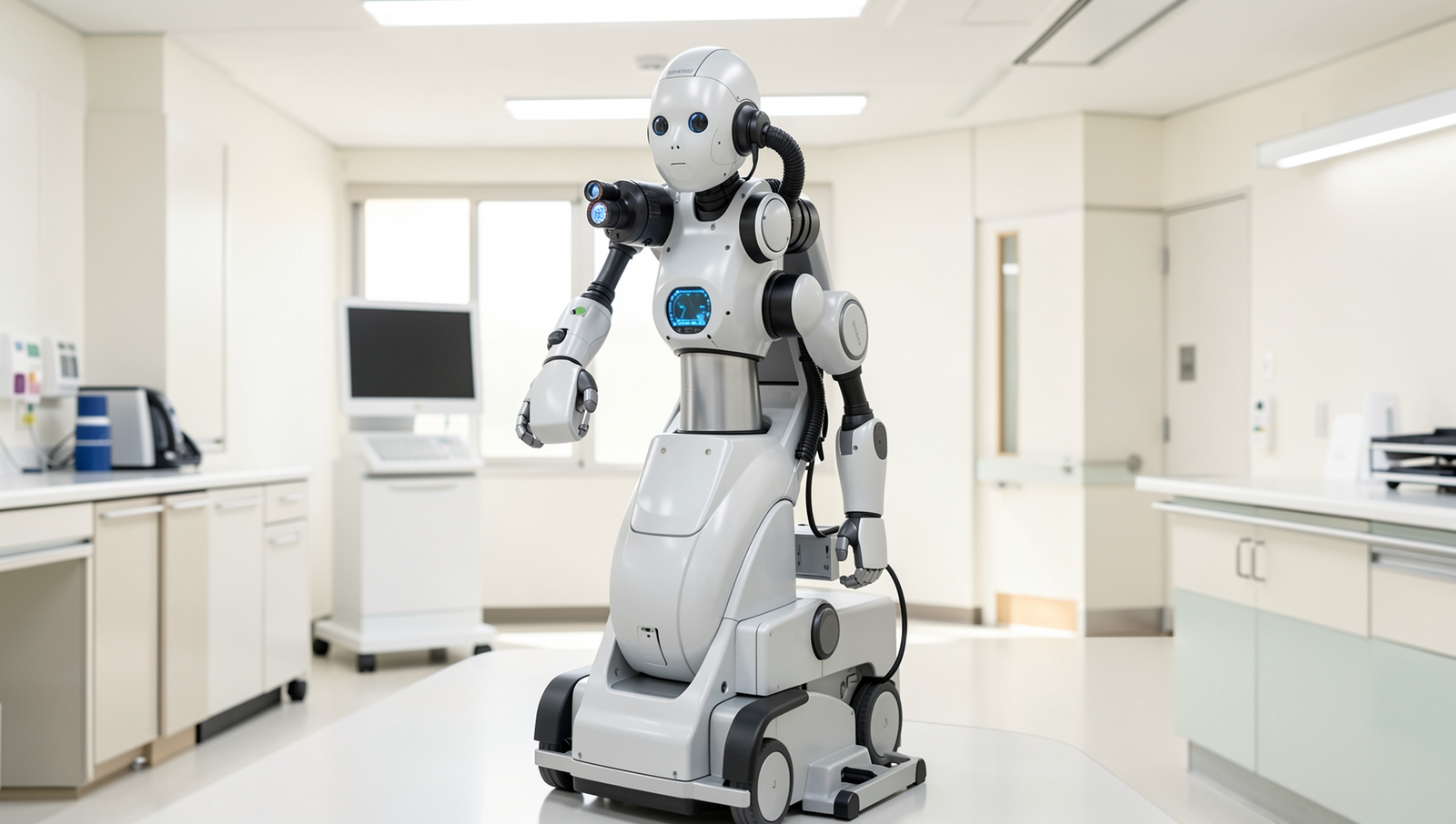
What types of medical robots are used in Japan?
Japan utilizes a variety of medical robots, including surgical robots, rehabilitation robots, and telepresence robots. Surgical robots assist in minimally invasive procedures, while rehabilitation robots aid in patient recovery. Telepresence robots facilitate remote consultations, enhancing patient access to healthcare services.
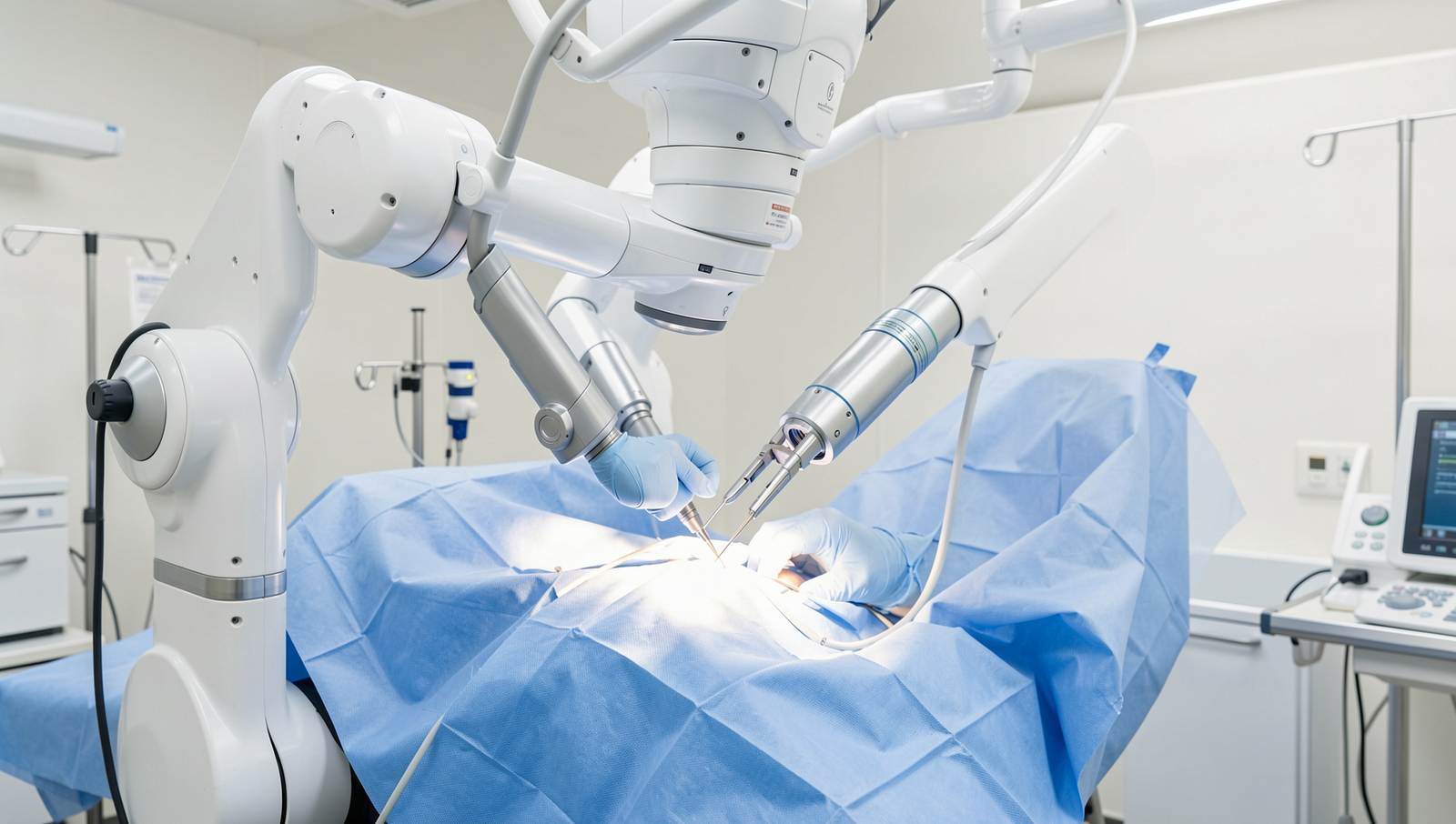
How do surgical robots improve operations?
Surgical robots enhance operations by providing surgeons with greater precision and control. They allow for smaller incisions, which
About the Author