Japan Tourism Technology: Apps Making Travel Easier
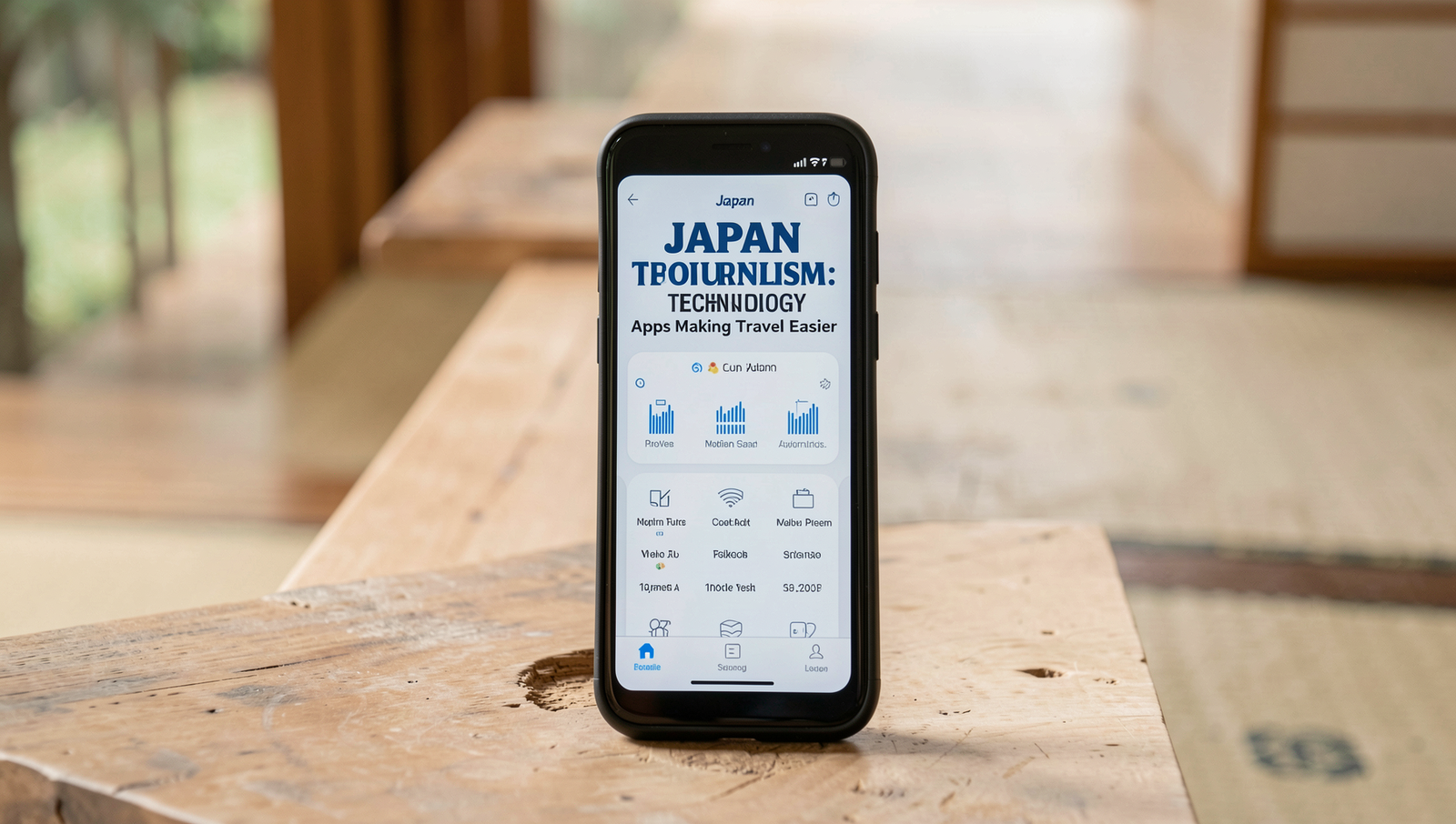
Exploring Japan with innovative travel apps.
8 min read • 1,622 words
Table of Contents
ToggleJapan Tourism Technology: Apps Making Travel Easier
In recent years, Japan tourism technology has transformed the way travelers explore this fascinating country. With over 100 travel apps available, tourists can easily navigate their surroundings, communicate effectively, and enhance their overall experience. This article delves into the various applications that are revolutionizing travel in Japan, making it more accessible and enjoyable for visitors from around the globe.
Readers will discover how apps like Google Maps and Citymapper provide real-time public transport information, ensuring that getting around major Japanese cities is a breeze. Language translation apps, such as Google Translate, are essential for overcoming communication barriers, while the Japan Travel app offers detailed guides and itineraries tailored to individual preferences. Additionally, the widespread use of QR code technology allows tourists to access information and services effortlessly, making their journey smoother and more enriching.
Essential Travel Apps for Tourists
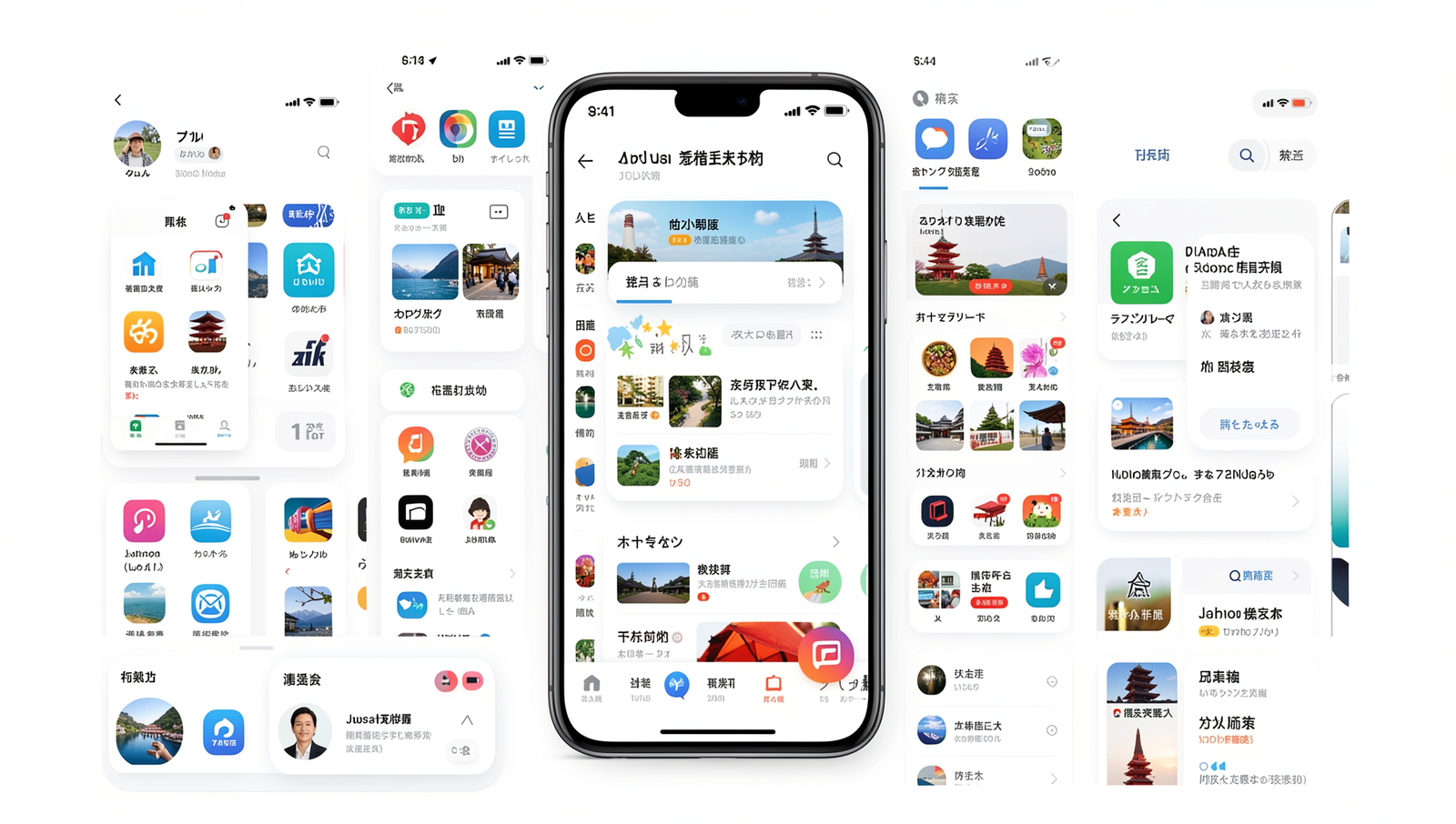
Japan tourism technology has significantly evolved, making travel easier and more enjoyable for visitors. With a plethora of apps available, tourists can navigate the country, communicate effectively, and gain cultural insights with just a few taps on their smartphones. Here’s an overview of some must-have apps that enhance the travel experience in Japan.
- Google Maps: This app is essential for navigation. It provides detailed maps, directions, and real-time traffic updates. Tourists can easily find public transportation routes, walking paths, and nearby attractions.
- HyperDia: For those planning to travel between cities, HyperDia is invaluable. It offers comprehensive train schedules, including Shinkansen (bullet trains), and allows users to search for routes based on departure times and train types.
- Japan Travel: This app serves as a travel guide, offering insights into various attractions, dining options, and cultural experiences. It includes offline maps and itineraries tailored for different interests.
These apps are designed with user-friendly features that cater specifically to foreign tourists. For instance, Google Maps supports multiple languages and provides information on accessibility, which is crucial for travelers with disabilities. HyperDia allows users to filter searches based on their preferences, such as avoiding transfers or selecting the fastest routes.
Moreover, Japan Travel includes cultural tips and etiquette guidelines, helping tourists navigate social norms and customs. By utilizing these apps, visitors can immerse themselves in the rich culture of Japan while ensuring a smooth and enjoyable travel experience. Overall, Japan tourism technology is transforming the way travelers explore this beautiful country, making it more accessible and engaging than ever before.
Cultural and Language Support Apps
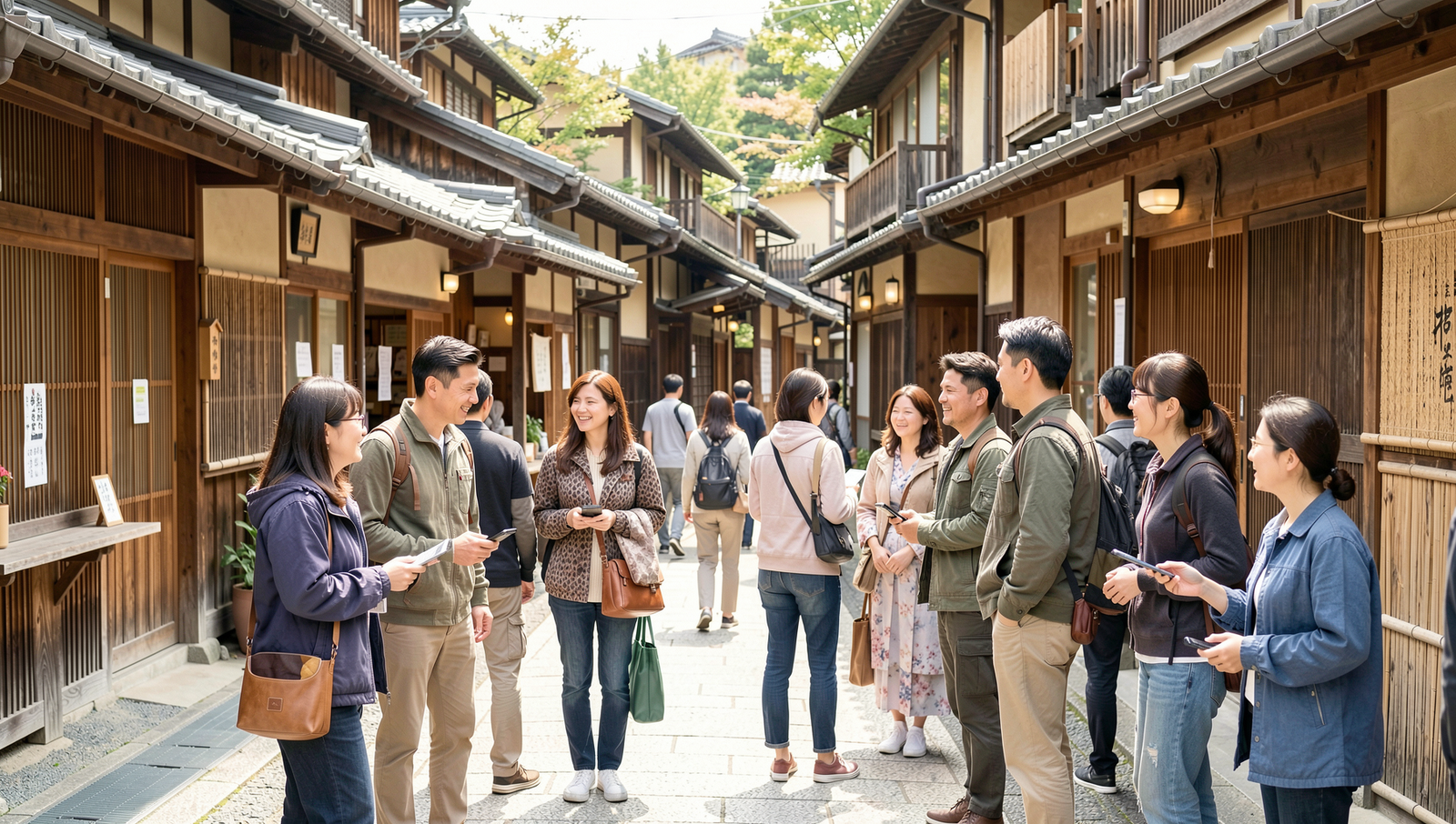
Understanding the cultural nuances of Japan is essential for travelers seeking an immersive experience. The country is rich in traditions, customs, and etiquette that may be unfamiliar to many tourists. To navigate these complexities, various apps have emerged as invaluable tools, enhancing the travel experience by providing language translation and cultural insights.
Language barriers can often hinder communication, making it challenging for tourists to interact with locals. Fortunately, apps like Google Translate have revolutionized the way travelers communicate. This app allows users to translate text, speech, and even images in real-time, making it easier to understand menus, signs, and conversations. With its offline capabilities, tourists can access translations without needing an internet connection, which is particularly useful in rural areas.
Another noteworthy app is Culture Trip, which offers not only language support but also cultural tips and recommendations. This app provides insights into local customs, dining etiquette, and even historical context, helping travelers to engage more meaningfully with their surroundings. For instance, it can inform users about the importance of bowing in Japanese culture or the proper way to enjoy a traditional tea ceremony.
- Google Translate: Real-time translation of text, speech, and images.
- Culture Trip: Cultural insights and local recommendations.
- Duolingo: Language learning app that helps users pick up basic Japanese phrases.
- Waygo: An app specifically designed for translating Chinese and Japanese menus.
These apps not only bridge the communication gap but also enrich the travel experience by fostering a deeper understanding of Japan’s unique culture. By utilizing these tools, tourists can navigate their journeys with greater confidence and appreciation for the local way of life.
Future Innovations in Travel Technology
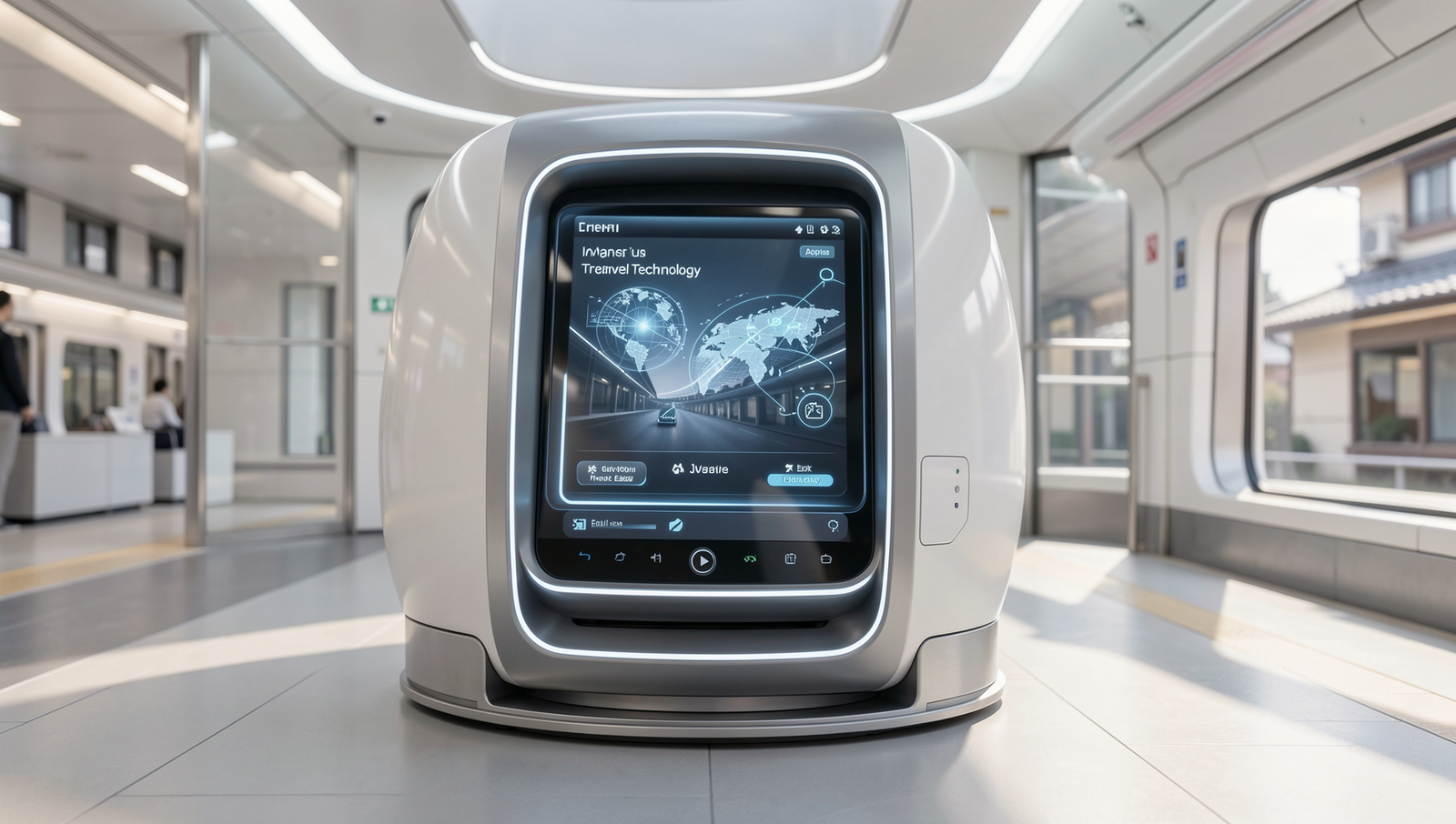
As Japan continues to embrace advancements in technology, the future of tourism in the country looks promising. Emerging technologies such as artificial intelligence (AI), augmented reality (AR), and the Internet of Things (IoT) are set to revolutionize the way travelers experience Japan. These innovations not only enhance convenience but also create more immersive experiences for tourists.
AI is playing a crucial role in personalizing travel experiences. For instance, AI-powered chatbots can assist travelers in real-time, providing recommendations for restaurants, attractions, and transportation options based on individual preferences. This level of personalization can significantly improve the overall travel experience, making it easier for visitors to navigate the complexities of a new environment.
Augmented reality is another technology that holds great potential for enhancing tourism in Japan. AR applications can overlay digital information onto the real world, allowing tourists to interact with historical sites and cultural landmarks in a more engaging way. For example, an AR app could provide historical context or visual reconstructions of ancient buildings, enriching the visitor’s understanding and appreciation of Japan’s rich heritage.
Several innovative startups are already making strides in the Japanese tourism tech space. Companies like TabiEats focus on connecting travelers with local culinary experiences, while Japan Travel App offers comprehensive guides and itineraries tailored to individual interests. These startups exemplify how technology can bridge the gap between tourists and authentic local experiences.
Looking ahead, the next decade is likely to see even more integration of technology in tourism. Predictions suggest that smart travel solutions, such as biometric check-ins and automated transportation systems, will become commonplace. As Japan tourism technology continues to evolve, it will undoubtedly create a more seamless and enriching experience for travelers from around the globe.
Conclusion
In summary, Japan tourism technology is revolutionizing the way travelers explore this beautiful country. With the advent of various mobile applications, visitors can now navigate complex transportation systems, discover hidden gems, and communicate effectively with locals. These apps not only enhance the travel experience but also provide essential information at the fingertips of tourists, making it easier to plan itineraries and access real-time updates. The integration of technology into travel in Japan ensures that visitors can maximize their time and enjoy a seamless experience.
As the tourism industry continues to evolve, embracing these technological advancements will be crucial for both travelers and service providers. Future developments may include more personalized travel experiences and even greater accessibility through innovative applications. By staying informed about the latest Japan tourism technology, travelers can ensure they are well-equipped to make the most of their adventures in this fascinating destination.
Real-World Examples
Japan tourism technology has made significant strides in enhancing the travel experience for both international visitors and locals. One of the most notable examples is the use of mobile applications that provide real-time information and services to travelers. For instance, the “Japan Travel” app offers comprehensive guides on various destinations, including cultural insights, transportation options, and local attractions. Users can access maps, itineraries, and even offline features, making it easier to navigate Japan’s complex urban landscapes.
Another innovative application is “HyperDia,” which simplifies the process of traveling by train across Japan. This app allows users to input their departure and arrival stations, providing them with detailed train schedules, platform information, and ticket prices. It is particularly useful for tourists unfamiliar with Japan’s extensive rail network, ensuring they can plan their journeys efficiently.
In addition to mobile apps, Japan has also embraced augmented reality (AR) technology to enhance the tourism experience. For example, some museums and historical sites have implemented AR features that allow visitors to use their smartphones to view additional information about exhibits. This interactive approach not only enriches the learning experience but also engages tech-savvy travelers who appreciate innovative ways to explore culture and history.
Moreover, the integration of cashless payment systems has transformed how tourists interact with local businesses. Apps like “PayPay” and “LINE Pay” enable visitors to make purchases seamlessly, reducing the need for cash and making transactions quicker and more convenient. This technology is particularly beneficial in a country where cash has traditionally been king, allowing tourists to enjoy their experiences without the hassle of currency exchange.
Overall, these real-world applications of Japan tourism technology illustrate how digital advancements are reshaping the travel landscape, making it more accessible, informative, and enjoyable for everyone.
Frequently Asked Questions
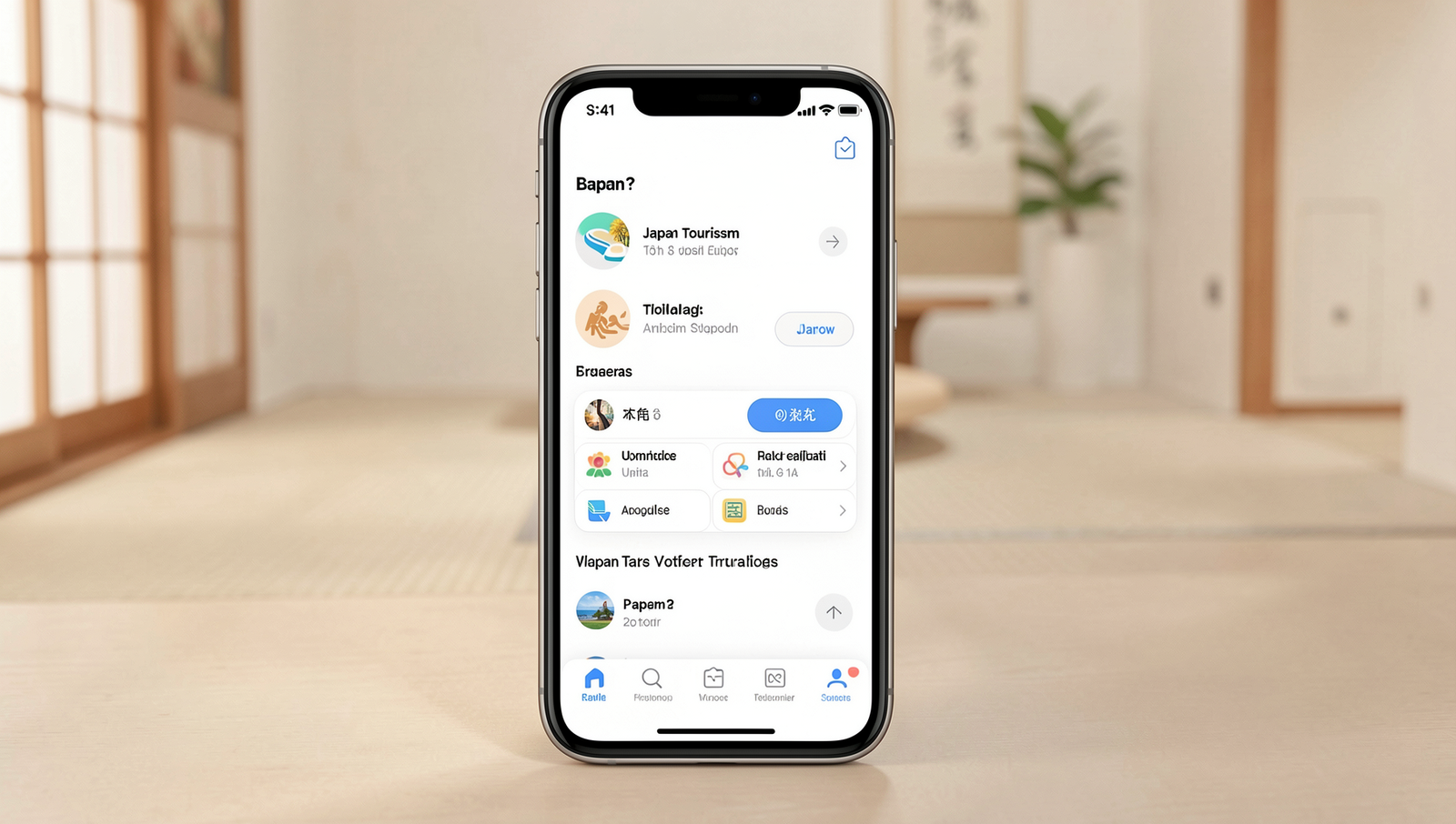
What are some popular travel apps for Japan?
Some popular travel apps for Japan include Japan Travel, Google Maps, and Hyperdia. These apps provide essential information on transportation, attractions, and local experiences, making it easier for travelers to plan their itineraries and navigate the country efficiently.
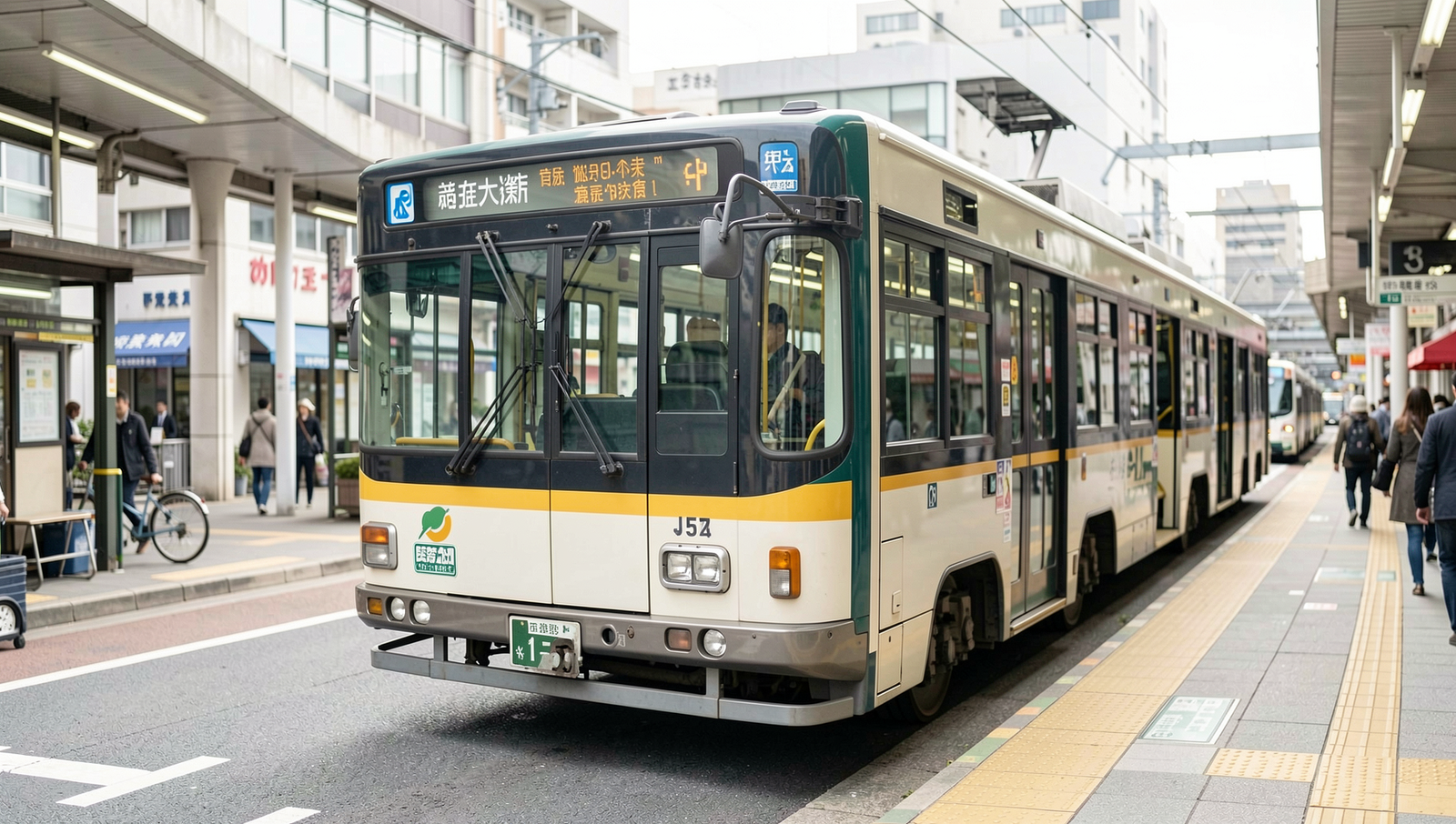
How can I navigate public transport in Japan using apps?
You can navigate public transport in Japan using apps like Google Maps and Hyperdia, which offer real-time schedules, route planning, and platform information. These apps help travelers understand train and bus systems, making it simpler to get around.
Are there apps for language translation in Japan?
Yes, there are several language translation apps available for use in Japan, such as Google Translate and iTranslate. These apps can help travelers communicate effectively, translating text and speech, which is particularly useful in areas with limited English signage.
Can I find local attractions and restaurants through apps?
Absolutely! Apps like TripAdvisor, Yelp, and Google Maps allow travelers to discover local attractions and restaurants. They provide user reviews, photos, and directions, helping visitors find the best dining options and must-see sights during their stay.
About the Author