Japan Virtual Reality: Where VR Is Finding New Uses
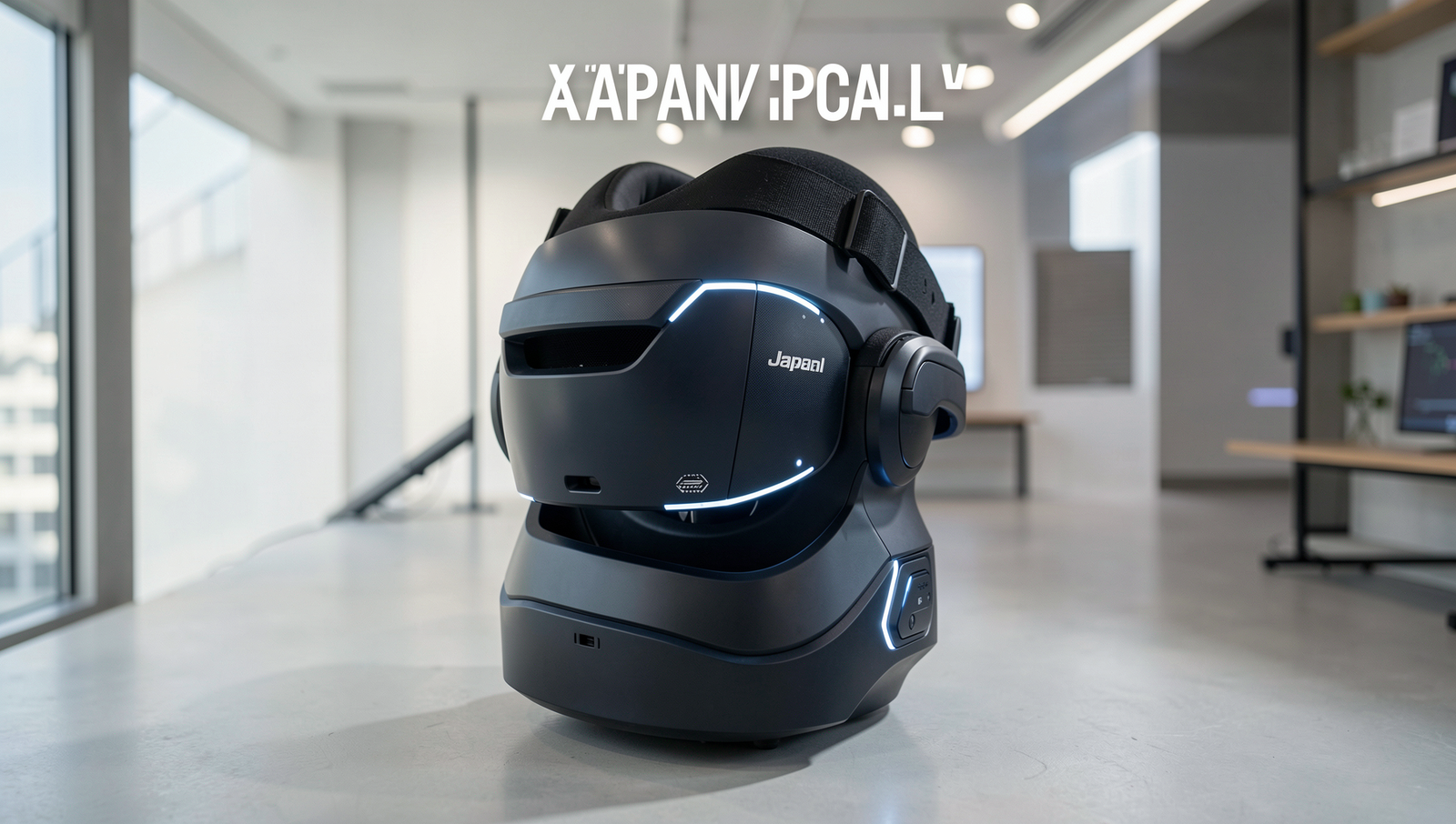
Exploring innovative VR applications in Japan.
8 min read • 1,626 words
Table of Contents
ToggleJapan Virtual Reality: Where VR Is Finding New Uses
Japan Virtual Reality is at the forefront of technological innovation, showcasing how virtual reality is transforming various sectors. As a leader in VR technology, Japan is not only revolutionizing gaming but also making significant strides in education and healthcare. This article delves into the diverse applications of VR in Japan, highlighting its importance in enhancing learning experiences, improving mental health, and providing effective training solutions across industries.
Readers will discover how VR therapy is being utilized to treat PTSD and phobias, demonstrating its potential in mental health care. Additionally, we will explore how Japanese companies are developing VR training programs for manufacturing and other sectors, as well as how the entertainment industry is leveraging VR for immersive storytelling. By understanding these developments, readers will gain insight into the future of Japan Virtual Reality and its impact on society.
VR in Entertainment and Gaming
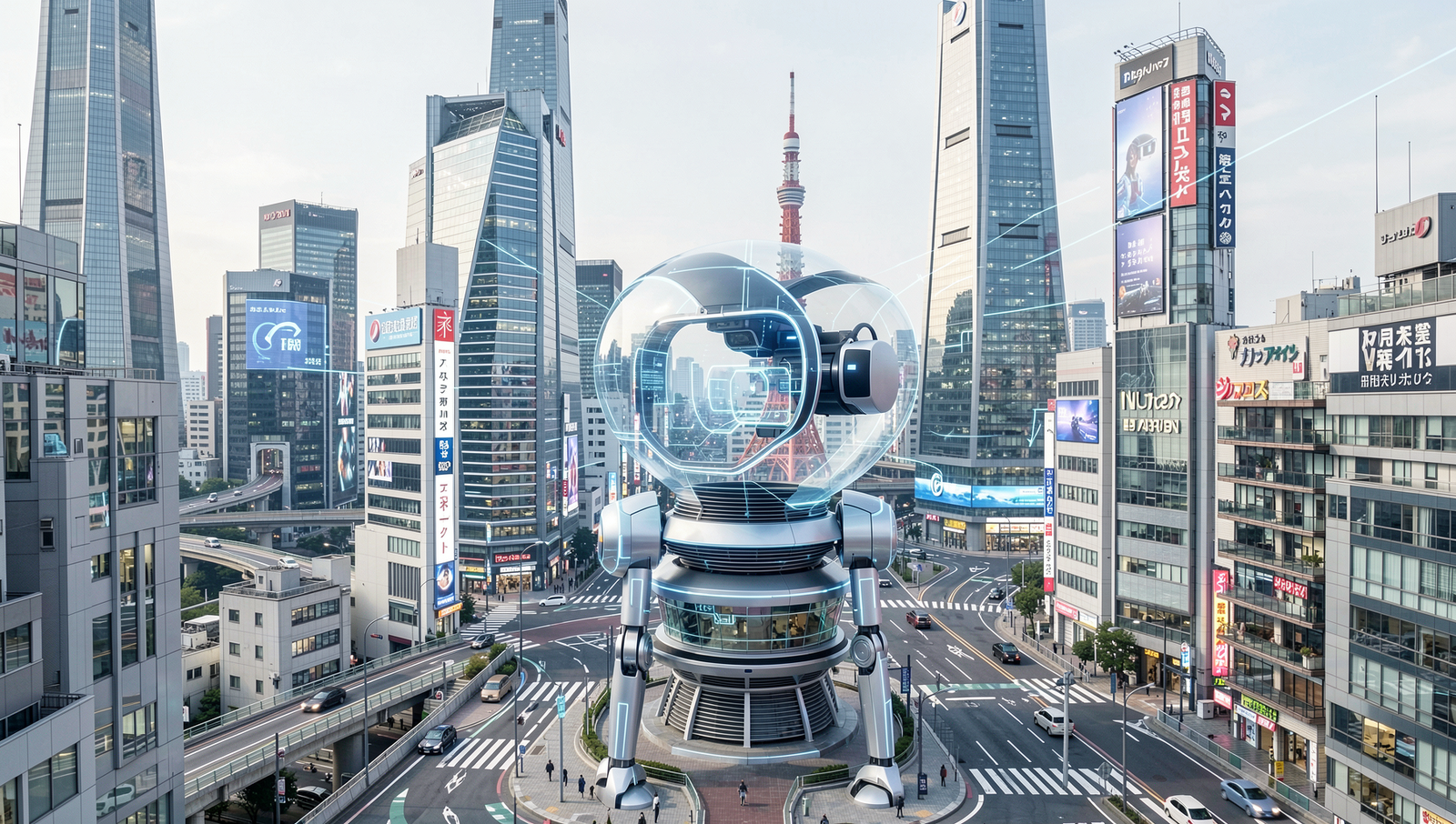
Japan has long been a leader in the entertainment industry, and the rise of virtual reality (VR) is transforming the landscape of gaming and interactive experiences. The integration of VR technology into gaming has opened up new avenues for creativity and engagement, allowing players to immerse themselves in fantastical worlds like never before. The popularity of VR gaming in Japan has surged, with both developers and consumers embracing this innovative medium.
Some of the most popular VR games and experiences in Japan include:
- Beat Saber: A rhythm-based game that combines music and lightsaber-like gameplay, allowing players to slice through blocks in sync with the beat.
- Resident Evil 7: Biohazard: This horror game offers a chilling VR experience that heightens the sense of fear and immersion.
- VR Kanojo: A dating simulation game that allows players to interact with a virtual girlfriend in a highly immersive environment.
The impact of VR on traditional gaming formats has been profound. Developers are now rethinking how games are designed, focusing on creating experiences that leverage the unique capabilities of VR. This shift has led to a more interactive and engaging gaming experience, where players can physically move and interact with their surroundings, rather than being confined to a screen.
Moreover, collaborations between VR companies and the anime/manga industry have further fueled the growth of Japan Virtual Reality. Companies are creating VR adaptations of popular anime series, allowing fans to step into their favorite shows. For instance, VR experiences based on titles like “Attack on Titan” and “Sword Art Online” enable fans to engage with the story and characters in a way that traditional media cannot offer.
As Japan continues to innovate in the realm of virtual reality, the future of entertainment and gaming looks promising, with endless possibilities for immersive storytelling and interactive experiences.
VR in Education and Training
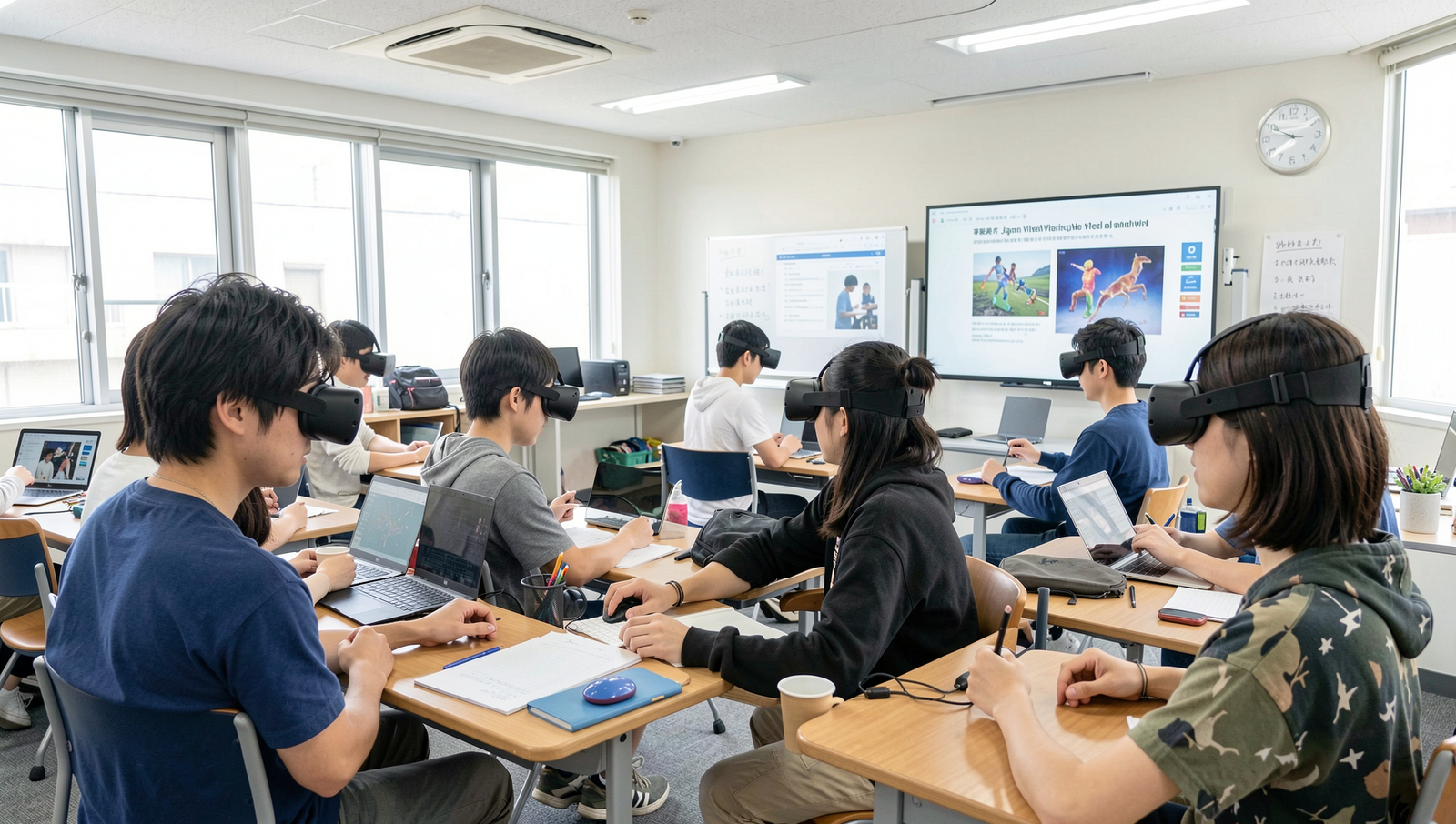
In recent years, Japan has emerged as a leader in integrating virtual reality (VR) into educational settings, transforming traditional learning methods into immersive experiences. Schools and universities across the country are increasingly adopting VR technology to enhance student engagement and understanding of complex subjects. This innovative approach not only captivates students but also prepares them for a rapidly evolving job market.
One prominent application of VR in education is its use in training simulations for professionals. For instance, medical students can practice surgical procedures in a risk-free environment, allowing them to hone their skills before entering the operating room. Similarly, engineering students can engage in virtual simulations of machinery and structures, providing them with hands-on experience without the need for physical materials. These training programs are designed to replicate real-world scenarios, enabling learners to develop critical thinking and problem-solving skills.
The benefits of immersive learning experiences through VR are numerous. Some of the key advantages include:
- Enhanced Engagement: VR captivates students’ attention, making learning more enjoyable and effective.
- Safe Learning Environment: Students can experiment and make mistakes without real-world consequences.
- Personalized Learning: VR can cater to individual learning paces and styles, allowing for tailored educational experiences.
- Increased Retention: Immersive experiences often lead to better retention of information compared to traditional methods.
Several case studies illustrate the successful implementation of VR in educational programs. For example, a university in Tokyo has developed a VR-based anatomy course that allows students to explore the human body in 3D. Feedback from participants has shown significant improvements in their understanding of anatomical structures. Another case involved a high school utilizing VR to teach history, where students could virtually visit historical sites, fostering a deeper connection to the material.
As Japan continues to explore the potential of virtual reality, it is clear that the technology is not just a trend but a transformative tool in education and training.
VR in Healthcare and Therapy
Japan Virtual Reality is making significant strides in the healthcare sector, particularly in the fields of medical training and therapy. The immersive nature of VR technology allows for realistic simulations that enhance learning and patient care. In medical training, VR is being utilized to create lifelike scenarios where students can practice surgical procedures without the risks associated with real-life operations. This not only improves their skills but also boosts their confidence before they enter the operating room.
One notable application is in surgical training, where VR platforms provide a safe environment for trainees to perform complex procedures. For instance, the use of VR simulations has been shown to improve the precision of surgical techniques among residents. These simulations can mimic various patient anatomies and conditions, allowing for a comprehensive learning experience.
Beyond training, VR is also proving beneficial in therapeutic settings, particularly for mental health treatment. It is being used to treat conditions such as PTSD, anxiety disorders, and phobias. Through exposure therapy, patients can confront their fears in a controlled virtual environment, gradually desensitizing them to anxiety-inducing stimuli. This method has shown promising results in clinical trials, demonstrating significant reductions in symptoms.
Case studies highlight the effectiveness of VR in rehabilitation as well. For example, stroke patients have benefited from VR-based exercises that encourage movement and coordination. These programs not only make rehabilitation more engaging but also allow for real-time feedback, which is crucial for recovery.
- VR in surgical training enhances precision and confidence.
- Therapeutic VR applications aid in treating PTSD and anxiety.
- Rehabilitation programs using VR improve patient engagement.
Looking ahead, the future potential of VR in healthcare is vast. As technology continues to evolve, we can expect more innovative applications that will transform patient care and medical education, solidifying Japan’s position as a leader in the integration of virtual reality into healthcare.
Conclusion
Japan Virtual Reality has emerged as a transformative force across various sectors, showcasing its potential beyond entertainment. From education to healthcare, VR technology is enhancing learning experiences and providing innovative solutions for medical training and therapy. The integration of VR in these fields not only improves engagement but also allows for safe, controlled environments where users can practice and learn without real-world consequences. As industries continue to explore the capabilities of VR, the benefits of immersive experiences are becoming increasingly evident.
Looking ahead, the next steps for Japan Virtual Reality involve further research and development to refine these technologies and expand their applications. Collaborations between tech companies, educational institutions, and healthcare providers will be crucial in driving innovation. By investing in VR infrastructure and fostering a culture of experimentation, Japan can solidify its position as a leader in the global VR landscape, paving the way for even more groundbreaking uses in the future.
Real-World Examples
Japan Virtual Reality has made significant strides in various sectors, showcasing its versatility and innovative applications. One of the most notable examples is in the realm of education. Schools and universities across Japan are increasingly adopting VR technology to enhance learning experiences. For instance, institutions like the University of Tokyo have implemented VR simulations in their science programs, allowing students to conduct virtual experiments in a safe and controlled environment. This immersive approach not only makes learning more engaging but also helps students grasp complex concepts more effectively.
Another area where Japan Virtual Reality is making waves is in the tourism industry. Companies are utilizing VR to provide virtual tours of popular destinations, allowing potential travelers to experience locations like Kyoto’s historic temples or the bustling streets of Tokyo from the comfort of their homes. This technology not only serves as a marketing tool but also helps in preserving cultural heritage by offering virtual access to sites that may be difficult to visit physically.
Additionally, the healthcare sector is leveraging Japan Virtual Reality for therapeutic purposes. Hospitals are using VR to help patients manage pain and anxiety during medical procedures. For example, VR environments can transport patients to serene landscapes, providing a distraction that alleviates discomfort. This innovative use of technology is proving to be a valuable asset in patient care.
In the realm of gaming, Japan remains a leader in VR development, with companies like Sony and Nintendo investing heavily in VR gaming experiences. These companies are creating immersive worlds that allow players to interact with their favorite characters and environments in unprecedented ways, further solidifying Japan’s position as a pioneer in the virtual reality landscape.
Frequently Asked Questions
What industries in Japan are using virtual reality?
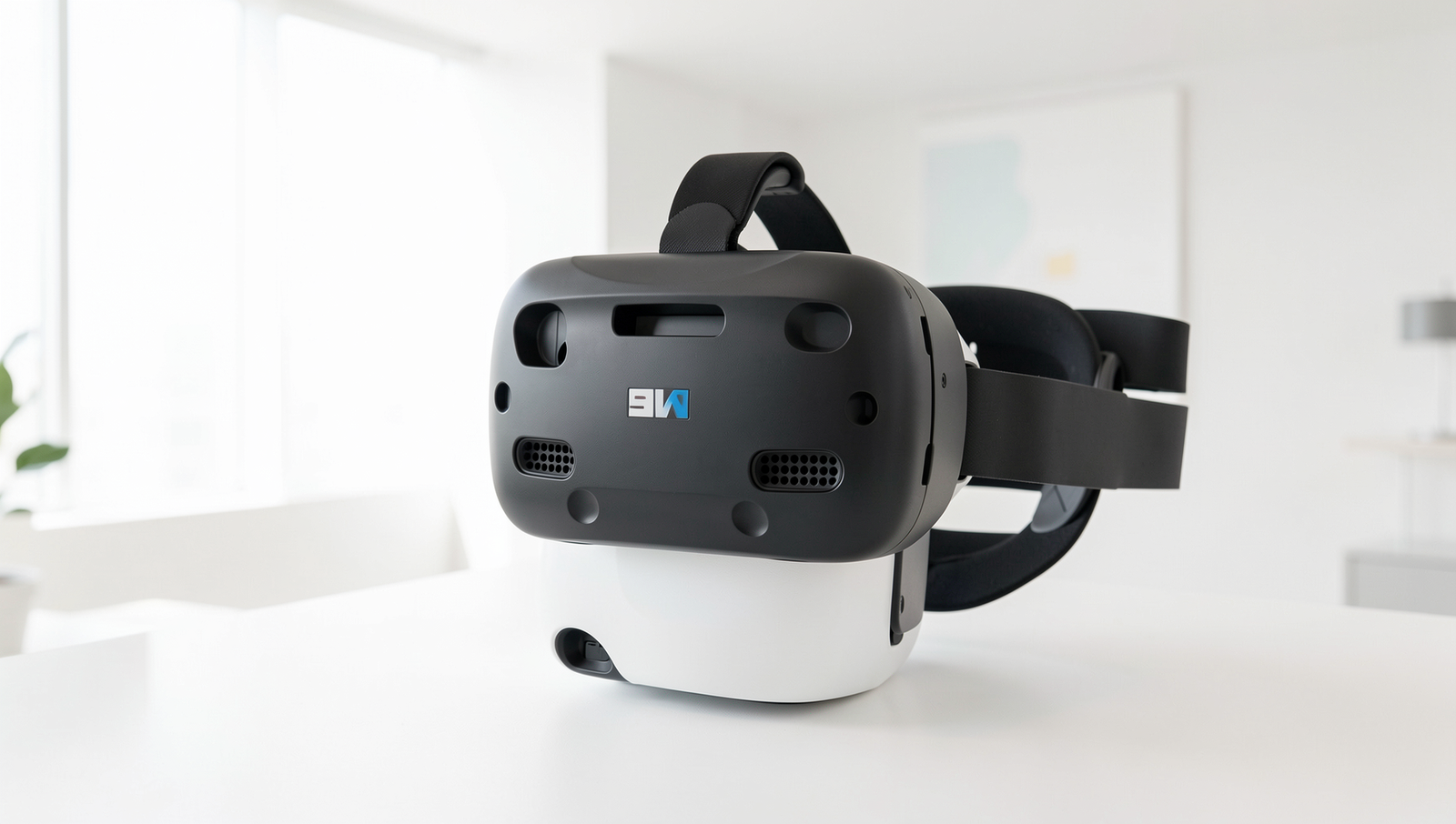
In Japan, various industries are leveraging virtual reality, including gaming, entertainment, real estate, and automotive. Companies utilize VR for immersive experiences, training simulations, and product design, enhancing engagement and efficiency across these sectors.
How is VR being used in healthcare in Japan?
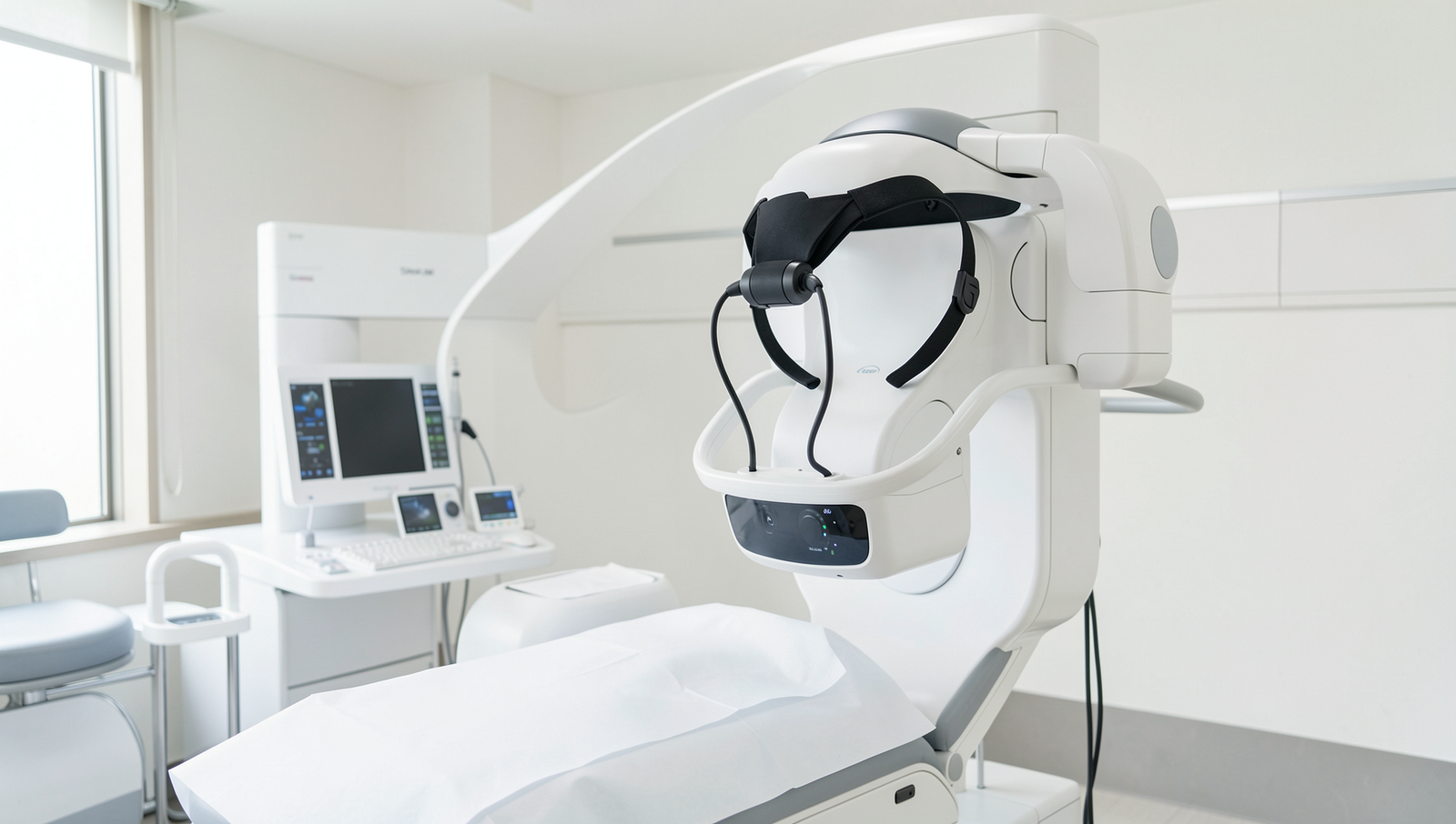
In the healthcare sector, Japan employs VR for medical training, allowing practitioners to simulate surgeries and procedures safely. Additionally, VR is used in therapy for mental health conditions, providing patients with immersive environments for exposure therapy
About the Author