Japan AI Agents: The Technology Changing Office Work
AI innovation reshaping Japan's office landscape.
8 min read • 1,637 words
Table of Contents
ToggleJapan AI Agents: The Technology Changing Office Work
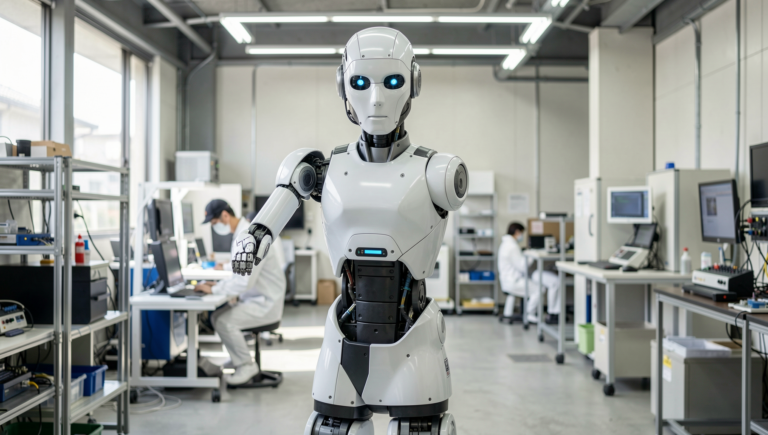
As Japan continues to lead the way in integrating artificial intelligence into office environments, the emergence of Japan AI Agents is transforming the landscape of workplace productivity. These advanced AI systems are designed to automate routine tasks, allowing employees to focus on more strategic initiatives. With the potential to increase productivity by up to 30%, Japanese companies are heavily investing in AI technologies to enhance collaboration and efficiency among their teams.
This article will explore the various applications of AI agents in Japanese offices, including the widespread use of AI-driven chatbots for customer service. As we look ahead, it’s estimated that by 2025, AI will manage 50% of administrative tasks within Japan’s workforce. Readers will gain insights into how these innovations are reshaping office dynamics and what this means for the future of work in Japan.
Introduction to AI Agents in Japan
Japan has long been at the forefront of technological innovation, and the emergence of AI agents is no exception. These intelligent systems are transforming the landscape of office work, enhancing productivity, and streamlining operations across various sectors. The integration of AI technology into the workplace is not merely a trend; it represents a significant shift in how businesses operate in Japan.
The historical context of AI development in Japan dates back to the 1950s, when researchers began exploring the potential of machines to perform tasks that typically require human intelligence. Over the decades, Japan has made substantial investments in AI research and development, leading to breakthroughs in machine learning, natural language processing, and robotics. This rich history has laid the groundwork for the current wave of AI agents that are now being deployed in office environments.
In modern office settings, the importance of AI cannot be overstated. AI agents are capable of handling repetitive tasks, analyzing vast amounts of data, and providing insights that can inform decision-making. This allows human employees to focus on more strategic and creative aspects of their work. Some practical examples of AI agents in Japanese offices include:
- Virtual Assistants: Tools like chatbots that manage customer inquiries and support.
- Data Analysis Tools: AI systems that process and interpret large datasets to identify trends.
- Robotic Process Automation (RPA): Software that automates routine tasks such as data entry and invoice processing.
Key players in the Japanese AI market include major corporations such as Fujitsu, NEC, and Sony, as well as startups that are pushing the boundaries of what AI can achieve. These companies are not only developing innovative AI solutions but are also collaborating with academic institutions to foster a culture of research and development. As Japan continues to embrace AI technology, the potential for further advancements in office work remains vast.

Types of AI Agents Used in Offices
In the modern workplace, Japan AI Agents are transforming how tasks are managed and executed. Various types of AI agents are being utilized to enhance productivity and streamline operations. Here are some of the most common types of AI agents found in offices today:
- Virtual Assistants for Scheduling and Communication: These AI agents help employees manage their calendars, set up meetings, and send reminders. Tools like Google Assistant and Microsoft’s Cortana are examples of virtual assistants that can handle scheduling tasks efficiently. They can also facilitate communication by summarizing emails or messages, allowing employees to focus on more critical tasks.
- AI-Driven Data Analysis Tools: Data analysis is crucial for informed decision-making. AI-driven tools can analyze vast amounts of data quickly, identifying trends and insights that would take humans much longer to uncover. For instance, platforms like Tableau and IBM Watson Analytics use AI to provide actionable insights, enabling businesses to make data-driven decisions.
- Robotic Process Automation (RPA) Applications: RPA involves using AI agents to automate repetitive tasks that are rule-based. This can include data entry, invoice processing, and report generation. Companies like UiPath and Automation Anywhere offer RPA solutions that significantly reduce the time spent on mundane tasks, allowing employees to focus on higher-value activities.
- Natural Language Processing (NLP) for Customer Service: NLP technology enables AI agents to understand and respond to human language. In customer service, chatbots powered by NLP can handle inquiries, provide support, and resolve issues without human intervention. Examples include Zendesk’s Answer Bot and Drift’s conversational marketing platform, which enhance customer interactions and improve response times.
These AI agents are not just tools; they represent a shift in how work is approached in Japan and beyond, fostering a more efficient and innovative workplace environment.

Future Trends and Developments
The landscape of office work in Japan is rapidly evolving, driven by the emergence of AI agents that are transforming traditional workflows. As technology continues to advance, several key trends and developments are expected to shape the future of AI integration in workplaces. One of the most significant emerging technologies is machine learning, which enables AI systems to learn from data and improve their performance over time. This capability can lead to enhanced productivity and efficiency in various tasks, from data analysis to customer service.
Predictions for AI integration in workplaces suggest that by 2030, a substantial portion of routine tasks will be automated. This shift could free employees to focus on more strategic and creative responsibilities. For instance, AI agents could handle scheduling, data entry, and even preliminary customer interactions, allowing human workers to engage in higher-level decision-making and innovation. Companies like Fujitsu and Hitachi are already piloting AI solutions that assist in project management and workflow optimization.
- Enhanced Collaboration: AI tools can facilitate better communication and collaboration among teams, breaking down silos and improving project outcomes.
- Data-Driven Insights: AI agents can analyze large datasets to provide actionable insights, helping businesses make informed decisions.
- Personalized Experiences: AI can tailor services and products to individual customer preferences, enhancing satisfaction and loyalty.
However, the deployment of AI in workplaces raises ethical considerations that cannot be overlooked. Issues such as data privacy, job displacement, and algorithmic bias must be addressed to ensure that AI technologies are implemented responsibly. Moreover, the role of government and policy in AI advancement is crucial. Policymakers must create frameworks that promote innovation while safeguarding workers’ rights and privacy. By fostering collaboration between the public and private sectors, Japan can lead the way in developing ethical AI practices that benefit both businesses and society as a whole.
Conclusion
Japan AI Agents are revolutionizing the landscape of office work by enhancing productivity and streamlining various processes. These intelligent systems are designed to automate routine tasks, allowing employees to focus on more strategic and creative aspects of their jobs. By integrating AI technology into daily operations, companies in Japan are witnessing significant improvements in efficiency, accuracy, and overall workplace satisfaction. The ability of these agents to learn and adapt to specific organizational needs further amplifies their effectiveness, making them indispensable tools in modern office environments.
Looking ahead, the next steps for Japan AI Agents involve further advancements in machine learning and natural language processing, which will enable even more sophisticated interactions between humans and AI. As businesses continue to embrace these technologies, it is crucial to address potential challenges, such as data privacy and ethical considerations. By fostering a collaborative relationship between human workers and AI agents, organizations can unlock new levels of innovation and productivity, paving the way for a more efficient future in office work.
Real-World Examples
Japan has been at the forefront of integrating AI technology into various sectors, particularly in office environments. The adoption of Japan AI Agents has transformed traditional workflows, enhancing productivity and efficiency. Several companies have successfully implemented these AI solutions, showcasing their practical applications and benefits.
One notable example is the use of AI agents in customer service within the retail sector. Companies like SoftBank have deployed AI chatbots that handle customer inquiries, process orders, and provide product recommendations. These AI agents can interact with customers in real-time, significantly reducing the workload on human staff and allowing them to focus on more complex tasks. The AI systems learn from interactions, continuously improving their responses and service quality.
Another practical application can be seen in the finance industry. Major banks in Japan, such as Mitsubishi UFJ Financial Group, have integrated AI agents to assist with data analysis and fraud detection. These AI systems analyze vast amounts of transaction data to identify patterns and anomalies, enabling quicker responses to potential fraud. This not only enhances security but also improves customer trust and satisfaction.
In the manufacturing sector, companies like Toyota are utilizing AI agents for supply chain management. These AI systems optimize inventory levels, predict demand, and streamline logistics. By analyzing historical data and market trends, Japan AI Agents help manufacturers make informed decisions, reducing waste and increasing operational efficiency.
Furthermore, in the realm of human resources, firms such as Recruit Holdings have adopted AI-driven recruitment tools. These tools analyze resumes and match candidates to job openings based on skills and experience, significantly speeding up the hiring process. This allows HR teams to focus on engaging with top candidates rather than sifting through countless applications.
These examples illustrate how Japan AI Agents are not just theoretical concepts but are actively reshaping office work across various industries. By automating routine tasks and providing valuable insights, these AI solutions are paving the way for a more efficient and innovative future in the workplace.
Frequently Asked Questions
What are AI agents in the context of office work?
AI agents are software programs designed to perform tasks typically handled by human employees. In office settings, they assist with scheduling, data management, and customer service, streamlining workflows and enhancing productivity by automating repetitive tasks.
How are
About the Author