Japan Trading News: Yen Intervention and BOJ Rate Hike Put Markets on Alert
Japan’s financial markets are entering another important period as traders closely monitor the Japanese yen, Bank of Japan monetary policy and the performance of Japanese stocks. Currency movements have become a major focus after Japanese authorities spent a record amount supporting the yen during the past month.
According to recent Finance Ministry data, Japan spent approximately ¥15.4 trillion, equivalent to about $96.5 billion, on foreign-exchange intervention between July 30 and August 26. The move highlights Tokyo’s determination to prevent excessive weakness in the yen.
At the same time, investors are increasingly watching the possibility of another BOJ rate hike. Tokyo’s core inflation moved closer to the Bank of Japan’s 2% target in August, strengthening expectations that policymakers could raise interest rates at the September meeting.
Japanese Yen Becomes the Main Trading Focus
The Japanese yen has remained one of the most closely watched currencies in global financial markets. Its weakness has created challenges for Japanese consumers and businesses because Japan depends heavily on imported energy and other products.
A weaker yen can benefit exporters because overseas earnings become more valuable when converted into yen. However, it can also increase the cost of imported goods and energy, adding pressure to household budgets and inflation.
Japan’s Massive Yen Intervention
Japanese authorities have already taken significant action to support the currency. Recent data showed that Japan spent a record ¥15.4 trillion on foreign-exchange intervention over the month ending August 26.
The intervention demonstrates how seriously policymakers are treating excessive currency weakness. The yen had previously fallen to levels not seen in decades, increasing concerns about import costs and inflation.
For Japan trading news, the yen remains a major factor because large movements in USD/JPY can quickly influence Japanese stocks, exporters and investor sentiment.
BOJ Rate Hike Expectations Grow
The Bank of Japan is another major focus for traders. Investors are increasingly expecting the central bank to consider raising its policy rate at the September meeting.
Tokyo’s core consumer inflation increased to 1.8% in August from a year earlier. An inflation measure excluding fresh food and fuel reached 2.0%, showing that price pressures remain important for policymakers.
The BOJ’s next policy meeting is scheduled for September 17-18, and market participants are closely watching economic data and comments from policymakers before the decision.
Why a BOJ Rate Hike Matters
A BOJ rate hike could have a major impact on financial markets. Higher Japanese interest rates may make yen-denominated assets more attractive and potentially support the currency.
However, higher rates can also affect companies and investors by increasing borrowing costs. This is why traders are watching the BOJ carefully when assessing the outlook for Japanese stocks.
Impact on the Japan Stock Market
The Japan stock market is closely connected to movements in the yen. Export-focused companies can benefit from a weaker currency because their international earnings may become more valuable in yen terms.
If the yen strengthens significantly, however, exporters may face pressure because overseas revenue converts into fewer yen.
Nikkei 225 and Japanese Stocks
The Nikkei 225 remains one of the most important indicators of Japanese market sentiment. Technology, automobile, industrial and consumer companies make the index particularly sensitive to global economic conditions.
Investors are therefore watching both currency movements and monetary policy when evaluating the outlook for Japanese stocks.
A stronger yen could create pressure for some exporters, while improved domestic economic conditions and stronger purchasing power could benefit other parts of the economy.
Japan and the United States Work Together on Currency Stability
Japan’s currency situation has also attracted international attention. Japan and the United States carried out a rare joint intervention in July to support the yen.
U.S. Treasury Secretary Scott Bessent recently warned that disorderly declines in the Japanese yen could trigger forced unwinding of financial positions and potentially create wider global market instability.
The comments show that yen movements are no longer only a domestic Japanese issue. Because the yen is heavily used in international financial markets, sharp movements can affect investors around the world.
USD/JPY Remains Important
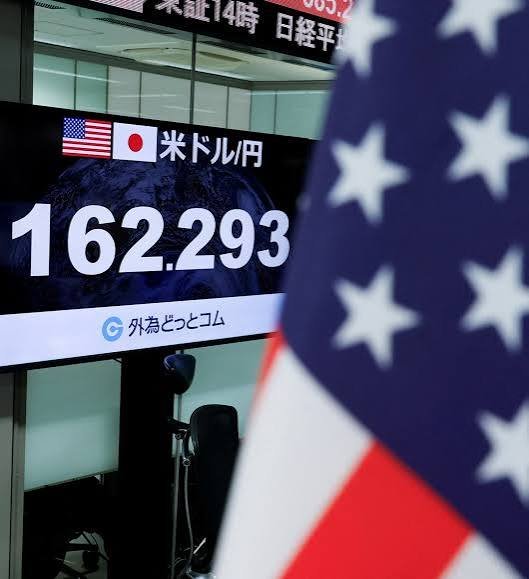
The USD/JPY currency pair is likely to remain a key indicator for traders. The yen has moved back toward the 160-per-dollar area after recovering following the July intervention.
If the yen approaches levels that Japanese authorities consider excessive, investors may become increasingly alert to the possibility of further intervention.
Inflation Could Influence Japan’s Monetary Policy
Inflation is another important factor behind the current market story.
Tokyo’s core inflation has increased for three consecutive months, reaching 1.8% in August. The figure is approaching the BOJ’s 2% target and has strengthened expectations for a possible rate increase.
Higher prices are being influenced by several factors, including food costs, currency weakness and higher energy expenses.
For traders, the important question is whether inflation will remain strong enough to encourage the BOJ to continue tightening monetary policy.
What Traders Are Watching Next
Several events could influence the Japan financial market in the coming weeks.
BOJ September Meeting
The September 17-18 BOJ meeting is likely to be one of the most important events for Japanese markets. Investors will watch the interest-rate decision and comments from Governor Kazuo Ueda.
Yen Intervention Risk
Further weakness in the Japanese yen could increase speculation about additional intervention. The record amount already spent by authorities demonstrates the government’s willingness to act when currency movements become disorderly.
Global Interest Rates
Japanese markets are also influenced by U.S. interest rates and global bond yields. Changes in expectations for U.S. monetary policy can affect the dollar, yen and international capital flows.
Japanese Stock Performance
Investors will continue monitoring the Nikkei 225, major Japanese companies and sectors that are sensitive to currency movements.
Japan Trading Outlook
The outlook for Japanese financial markets remains closely connected to the relationship between the yen, inflation and Bank of Japan policy.
A stronger yen could reduce import-cost pressure but create challenges for exporters. Meanwhile, a BOJ rate hike could provide support for the currency while potentially increasing borrowing costs for businesses and households.
For investors following Japan trading news, the combination of currency intervention, inflation and monetary-policy expectations makes the Japanese market particularly important to watch.
Conclusion
Japan’s financial markets are facing an important period as policymakers attempt to manage yen weakness while dealing with inflation and economic growth.
The government’s record foreign-exchange intervention shows its determination to stabilize the Japanese yen, while rising inflation has increased expectations for a potential BOJ rate hike in September.
At the same time, the Nikkei 225 and Japanese stocks remain sensitive to currency movements and global market conditions. With the yen still near important levels and monetary policy under close observation, Japan is likely to remain a major focus for traders in the coming weeks.
This article is for news and educational purposes only and is not financial advice.
About the Author