Japan Driverless Trains: How Railway Automation Is Evolving
Exploring Japan's innovative driverless train technology.
8 min read • 1,633 words
Table of Contents
ToggleJapan Driverless Trains: How Railway Automation Is Evolving
Japan has long been at the forefront of railway technology, pioneering innovations that have transformed public transportation. Since the 1970s, the country has been testing driverless trains, leading to significant advancements in automation. One of the most notable achievements is the Yurikamome Line in Tokyo, which stands as one of the first fully automated train systems globally. This evolution in railway automation not only enhances efficiency but also sets a benchmark for safety and reliability in public transport.
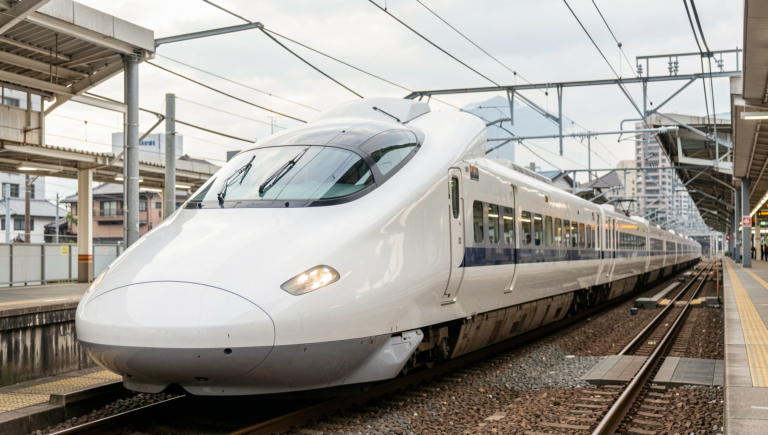
As Japan’s Shinkansen bullet trains explore further automation, the integration of artificial intelligence and machine learning is becoming crucial. These technologies are improving predictive maintenance and operational efficiency, ultimately aiming for fully automated train systems in major urban areas by 2030. In this article, readers will learn about the journey of Japan driverless trains, the technologies involved, and the implications for the future of transportation.
Technological Innovations Driving Automation
Japan has long been at the forefront of railway technology, and the evolution of driverless trains is a testament to this innovation. Several key technologies are driving the automation of train operations, making them safer, more efficient, and more reliable.
One of the most significant advancements is the integration of artificial intelligence (AI) and machine learning. These technologies enable trains to analyze vast amounts of data in real-time, allowing for improved decision-making during operations. For instance, AI algorithms can predict maintenance needs, optimize schedules, and enhance energy efficiency, ultimately leading to a smoother passenger experience.
Another critical component of driverless trains is the advancement in sensor technology. Modern trains are equipped with a variety of sensors that monitor their surroundings. These sensors can detect obstacles on the tracks, monitor track conditions, and assess the train’s performance. Coupled with advanced communication systems, such as 5G networks, these technologies ensure that trains can communicate with each other and with central control systems seamlessly.
- LiDAR and radar systems for obstacle detection
- GPS and inertial navigation for precise positioning
- Real-time data analytics for operational efficiency
Moreover, safety protocols have been integrated into the automation process. Emergency response systems are designed to take over in case of any anomalies, ensuring passenger safety. For example, if a sensor detects an unexpected object on the tracks, the train can automatically slow down or stop, preventing potential accidents.
In conclusion, the technological innovations driving Japan’s driverless trains are a blend of AI, advanced sensors, and robust safety protocols, paving the way for a new era in railway transportation.
Case Studies of Successful Implementation
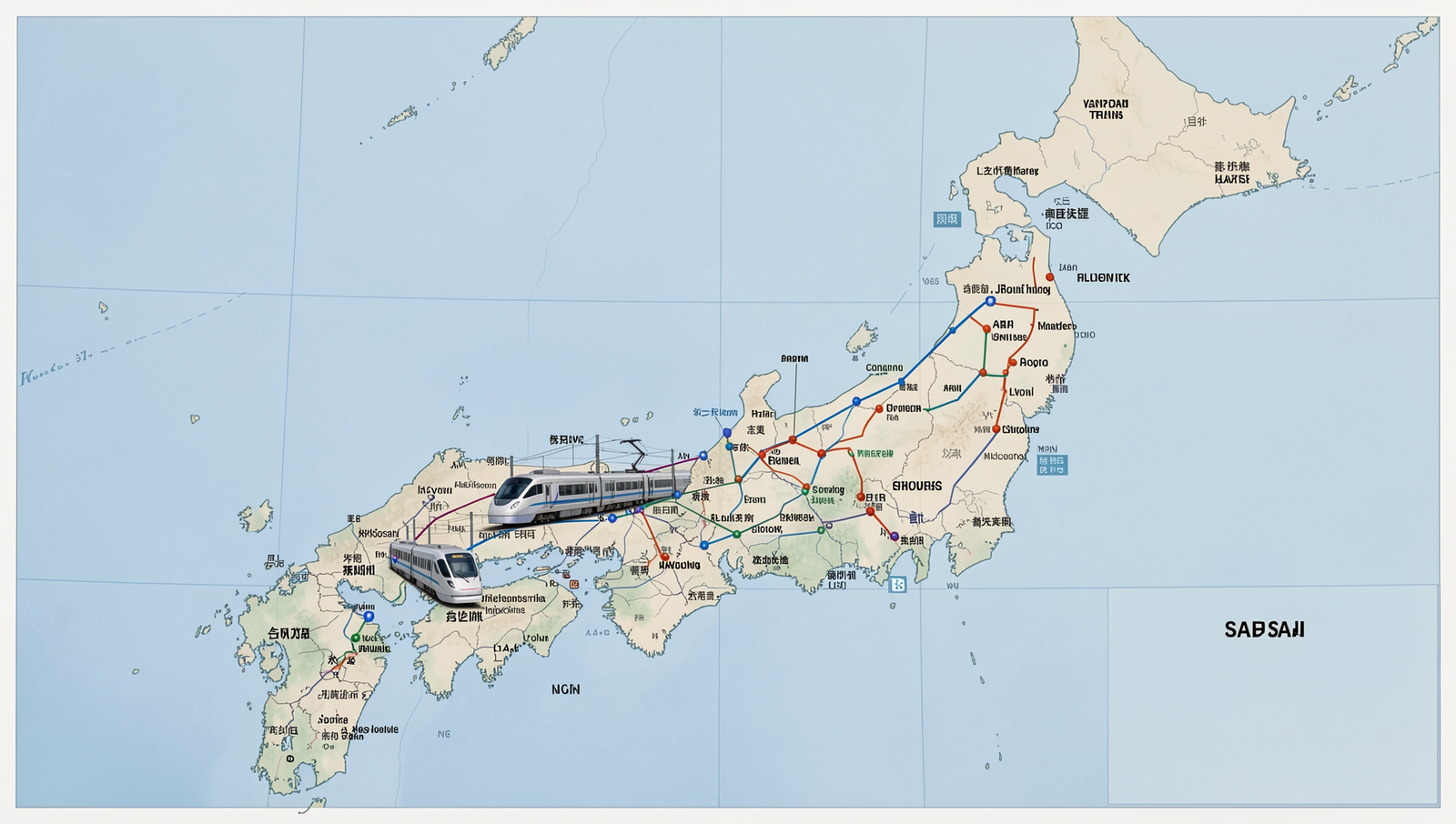
Japan has been at the forefront of railway automation, with several successful implementations of driverless trains that serve as case studies for future developments. One of the most notable examples is the Yurikamome line in Tokyo. This automated transit system operates over the Rainbow Bridge and connects Shimbashi with Toyosu. The Yurikamome line is unique as it features fully automated, driverless trains that provide passengers with panoramic views of the city. The system uses advanced technologies such as automatic train operation (ATO) and a sophisticated control center that monitors train movements in real-time, ensuring safety and efficiency.
Another significant example is the Osaka Monorail, which has been in operation since 1997. This system employs automated trains that run on elevated tracks, providing a seamless travel experience across the city. The monorail’s automated systems include automatic train control (ATC) and an integrated communication system that enhances operational reliability. The success of the Osaka Monorail has demonstrated that driverless technology can be effectively integrated into existing urban transport networks.
- Passenger Experience: The implementation of driverless trains has led to a more comfortable and efficient travel experience. Passengers enjoy reduced waiting times and improved punctuality.
- Operational Efficiency: Automation has allowed for optimized scheduling and reduced operational costs, making rail transport more sustainable.
- Lessons Learned: Early adopters of driverless technology have highlighted the importance of public acceptance and the need for extensive testing to ensure safety standards are met.
These case studies illustrate the potential of Japan driverless trains to revolutionize urban transportation, paving the way for future innovations in the field.
Future Prospects and Challenges
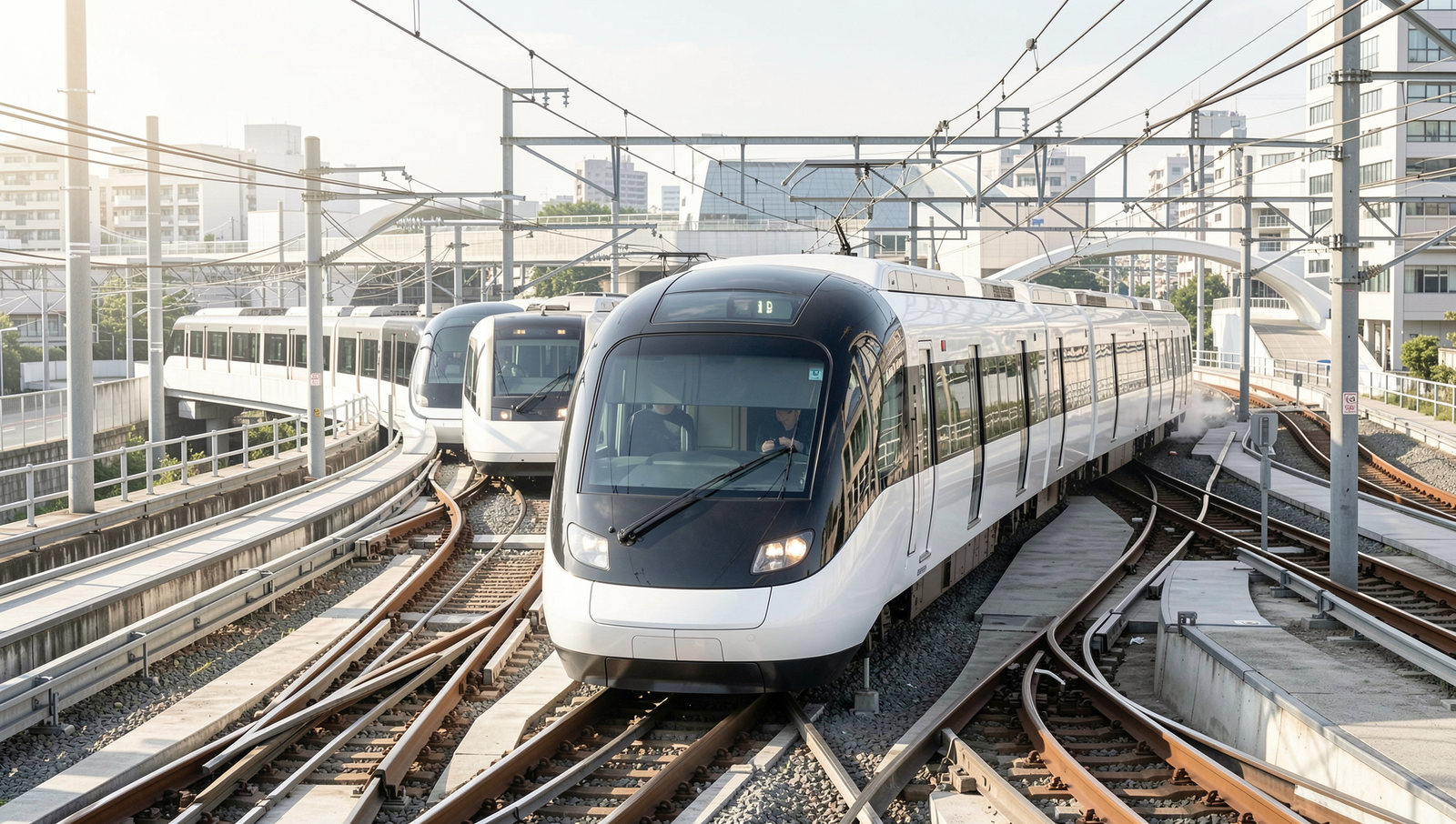
The future of railway automation in Japan looks promising, with advancements in technology paving the way for more efficient and safer travel. Predictions suggest that by 2030, a significant portion of Japan’s railway network could be fully automated. This shift is expected to enhance operational efficiency, reduce human error, and lower operational costs. Major cities like Tokyo and Osaka are at the forefront of these developments, with pilot programs already in place to test the viability of driverless trains.
However, the journey towards widespread adoption of Japan driverless trains is not without its challenges. One of the primary hurdles is the integration of new technology with existing infrastructure. Many railway systems were built decades ago and may require substantial upgrades to accommodate automated systems. This includes installing advanced signaling systems and ensuring that tracks are maintained to the highest standards.
- Public Perception: The acceptance of driverless trains among the public is crucial. Many passengers may feel uneasy about traveling in a train without a human operator, raising concerns about safety and reliability.
- Regulatory Considerations: Regulatory bodies will need to establish new guidelines and safety standards to govern the operation of automated trains. This includes rigorous testing and certification processes to ensure that these systems meet safety requirements.
- Technological Challenges: Developing robust technology that can handle various scenarios, including emergencies, is essential for the success of driverless trains.
In conclusion, while the prospects for Japan driverless trains are bright, addressing these challenges will be key to ensuring a smooth transition to an automated railway future.
Conclusion
Japan Driverless Trains represent a significant leap forward in railway automation, showcasing the country’s commitment to innovation and efficiency in public transportation. The integration of advanced technologies such as artificial intelligence and machine learning has not only enhanced safety but also improved operational efficiency. With automated systems managing everything from scheduling to real-time monitoring, these trains are poised to reduce human error and streamline the commuting experience for passengers. The benefits extend beyond mere convenience; they also include reduced operational costs and a smaller environmental footprint, aligning with Japan’s sustainability goals.
Looking ahead, the next steps for Japan Driverless Trains involve further testing and refinement of the technology, as well as expanding the network to include more routes and regions. Collaboration between government entities, technology firms, and railway operators will be crucial in overcoming challenges such as regulatory approvals and public acceptance. As Japan continues to pioneer in this field, it sets a benchmark for other nations considering similar advancements in railway automation.
Real-World Examples
Japan has long been at the forefront of railway technology, and the implementation of driverless trains is a testament to its innovative spirit. One of the most notable examples of Japan’s commitment to railway automation is the Yamanote Line in Tokyo. This iconic loop line, which circles the city, has been gradually incorporating automated systems to enhance efficiency and safety. Although not fully driverless yet, the Yamanote Line has implemented automated train operation (ATO) systems that assist drivers in managing speed and ensuring timely arrivals. This technology allows for more precise control of train schedules, reducing delays and improving passenger experience.
Another significant example is the introduction of the Chuo Line’s driverless trains, which are set to operate in the near future. These trains will utilize advanced sensors and artificial intelligence to navigate the tracks without human intervention. The Chuo Line is particularly important as it connects central Tokyo with the western suburbs, making it a vital artery for commuters. The deployment of driverless trains on this line is expected to alleviate congestion and enhance overall service reliability.
In addition to urban rail systems, Japan is also exploring driverless technology in its Shinkansen, or bullet trains. While these high-speed trains currently require human operators, research is ongoing to develop fully autonomous versions that could revolutionize long-distance travel. The potential benefits include increased safety, reduced operational costs, and the ability to operate trains at higher frequencies.
Moreover, Japan’s commitment to safety is evident in its approach to driverless technology. The country has established rigorous testing protocols and safety standards to ensure that automated trains can operate without compromising passenger safety. For instance, the Tokyo Metro has been conducting extensive trials of its automated systems, focusing on emergency response protocols and system redundancies.
In summary, Japan’s journey towards driverless trains is marked by a series of real-world examples that showcase the country’s dedication to innovation in railway automation. From the Yamanote Line to the upcoming Chuo Line and the potential for autonomous Shinkansen, Japan is setting a global standard for the future of transportation.
Frequently Asked Questions
What are driverless trains?
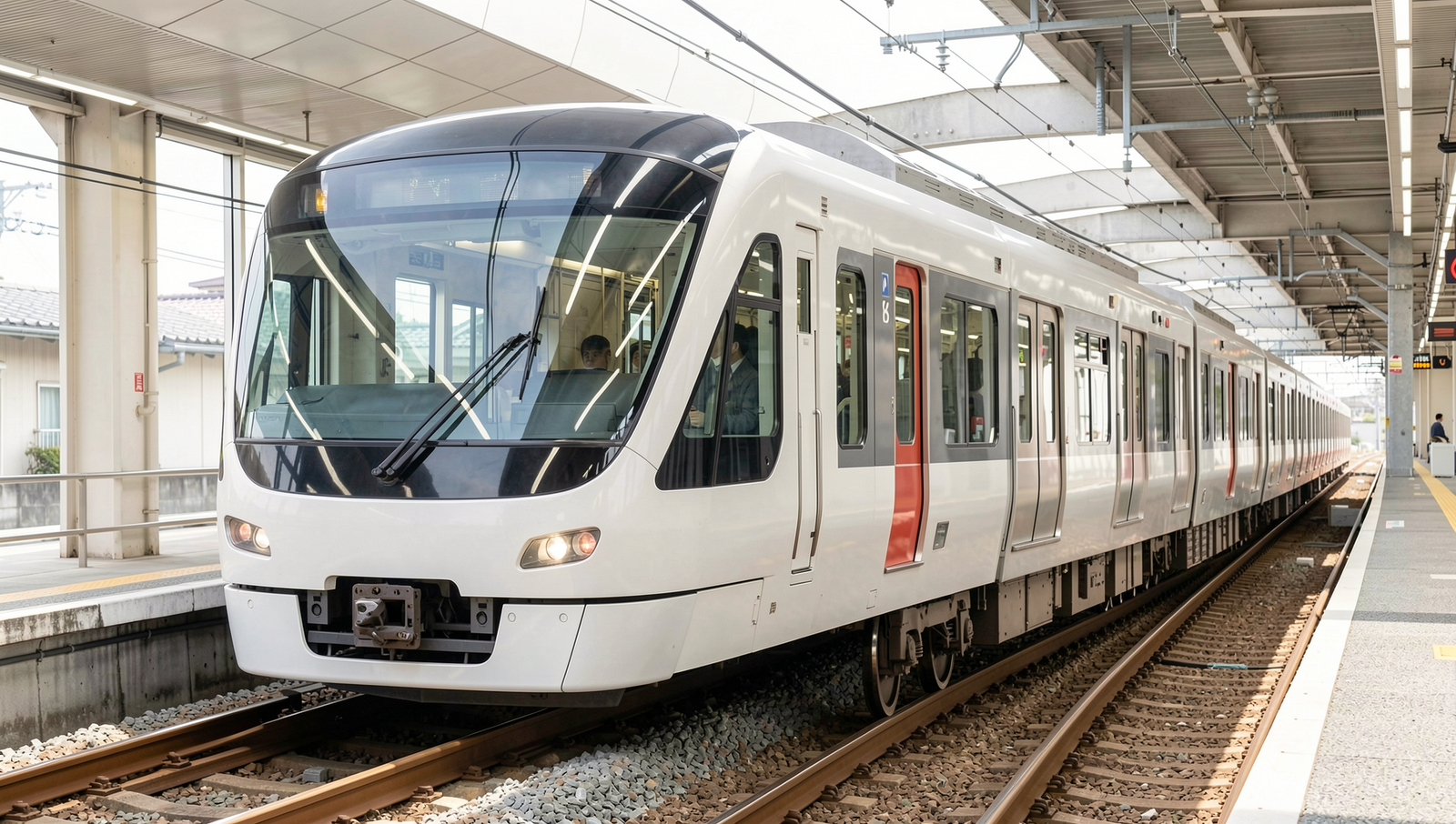
Driverless trains are automated railway systems that operate without human intervention. These trains utilize advanced technology to navigate tracks, manage speed, and ensure safety. They are designed to enhance efficiency and reliability in public transportation systems, particularly in urban areas.
How does railway automation improve safety?
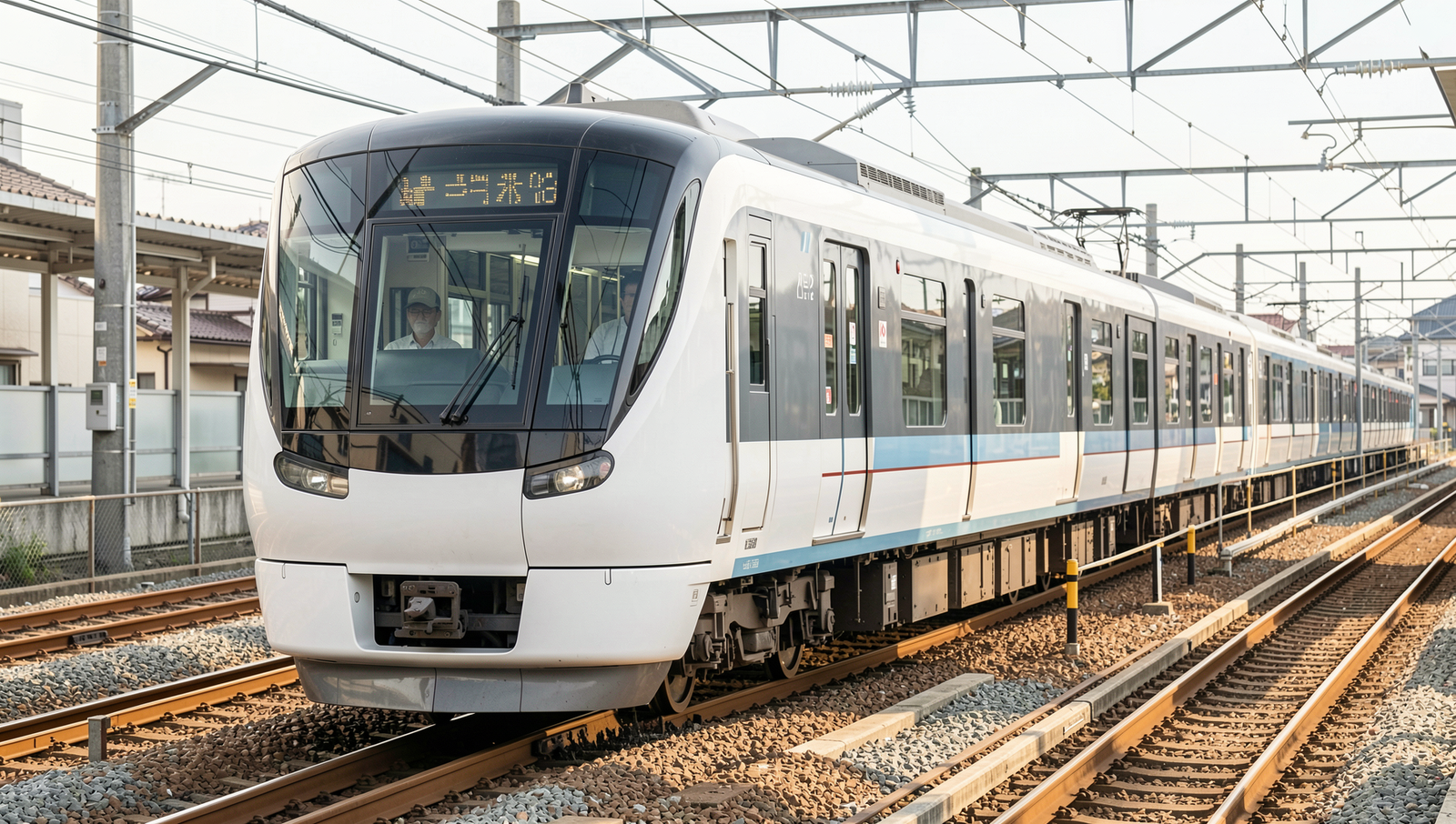
Railway automation enhances safety by minimizing human error, which is a significant factor in accidents. Automated systems can monitor train operations continuously, detect potential hazards, and respond quickly to emergencies, ensuring safer travel for passengers and reducing the likelihood of collisions.
What technology is used in Japan’s driverless trains?
Japan’s driverless trains utilize a combination of sensors, artificial intelligence, and advanced signaling systems. Technologies like automatic train control (ATC) and communication-based train control (CBTC) allow for precise monitoring and management of train movements, ensuring efficient and safe operations.
Are driverless trains widely used in Japan?
Yes, driverless trains are increasingly common in Japan,
About the Author