Japan Battery Technology: New Advances Beyond Lithium-Ion
Exploring Japan's innovative battery technologies beyond lithium-ion.
8 min read • 1,623 words
Table of Contents
ToggleJapan Battery Technology: New Advances Beyond Lithium-Ion
Japan is at the forefront of innovative battery technology, making significant strides beyond traditional lithium-ion solutions. As the demand for efficient and sustainable energy storage continues to rise, Japan’s advancements in solid-state battery technology are particularly noteworthy. These batteries promise higher energy density and enhanced safety, making them ideal for various applications, from electric vehicles to renewable energy systems. Readers will discover how these innovations not only improve performance but also contribute to a more sustainable future.
Moreover, researchers in Japan are pioneering sodium-ion batteries that function effectively at lower temperatures, expanding the potential for energy storage in diverse environments. Japanese companies are also heavily investing in lithium-sulfur batteries, which offer greater capacity than their predecessors. Additionally, advancements in battery recycling technology are setting new standards for sustainability, while the development of magnesium-ion batteries could lead to safer and more efficient energy storage solutions. This article will explore these exciting developments in Japan Battery Technology and their implications for the future.
Emerging Alternatives to Lithium-Ion Batteries
As the demand for more efficient and sustainable energy storage solutions grows, Japan Battery Technology is at the forefront of exploring alternatives to traditional lithium-ion batteries. Among these alternatives, solid-state batteries have gained significant attention due to their potential advantages over conventional batteries.
Solid-state batteries utilize a solid electrolyte instead of a liquid one, which can enhance safety and energy density. The absence of flammable liquid electrolytes reduces the risk of fires, a common concern with lithium-ion batteries. Additionally, solid-state batteries can potentially offer higher energy capacities, leading to longer-lasting power sources for electric vehicles and portable electronics.
Another promising development is the sodium-ion battery. Sodium is abundant and less expensive than lithium, making it an attractive option for large-scale energy storage. Researchers in Japan are actively working on improving the efficiency and cycle life of sodium-ion batteries. These batteries could play a crucial role in renewable energy applications, where cost-effective storage solutions are essential for balancing supply and demand.
Furthermore, lithium-sulfur batteries are being explored for their high theoretical energy density. They have the potential to store significantly more energy than lithium-ion batteries, which could revolutionize the electric vehicle market. However, challenges such as cycle stability and efficiency need to be addressed before they can be commercially viable.
Flow batteries represent another innovative approach, particularly for large-scale energy storage. These batteries store energy in liquid electrolytes, allowing for easy scalability and long discharge times. Japan Battery Technology initiatives are focusing on enhancing the performance and reducing the costs associated with flow batteries, making them suitable for grid applications.
- Solid-state batteries: Higher energy density and safety.
- Sodium-ion batteries: Cost-effective and abundant materials.
- Lithium-sulfur batteries: High energy capacity potential.
- Flow batteries: Scalability for large-scale energy storage.
In conclusion, the advancements in these alternative battery technologies signify a promising future for energy storage solutions in Japan and beyond, paving the way for a more sustainable energy landscape.
Research and Development Initiatives
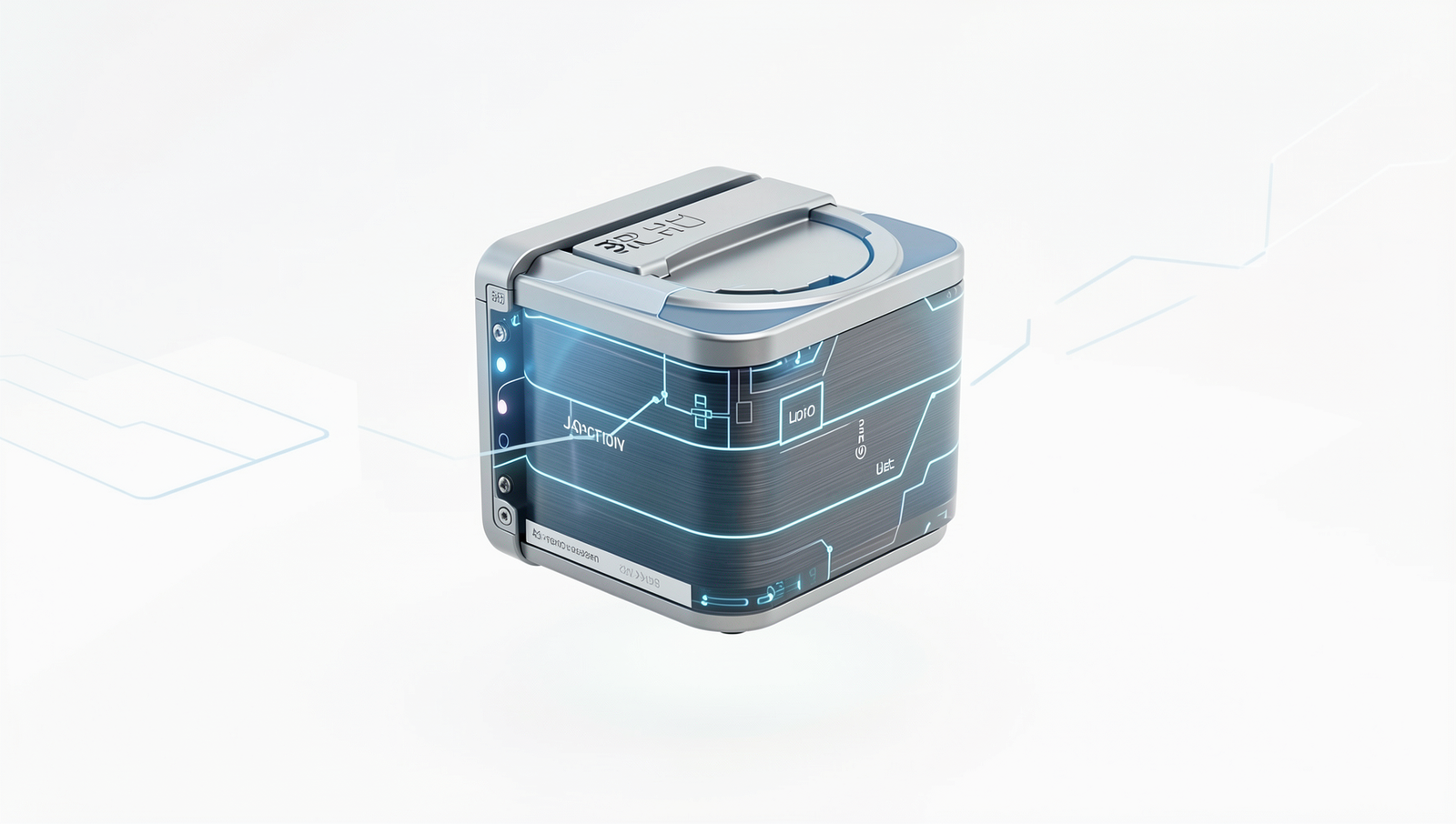
Japan has long been at the forefront of battery technology, and recent advances are pushing the boundaries of what is possible beyond traditional lithium-ion batteries. Key Japanese companies are leading the charge in this innovation, focusing on developing next-generation batteries that promise greater efficiency, safety, and sustainability.
- Toshiba: Known for its SCiB (Super Charge ion Battery), Toshiba is pioneering solid-state battery technology that offers faster charging times and longer life cycles.
- Panasonic: A major player in electric vehicle (EV) battery production, Panasonic is investing heavily in research to improve energy density and reduce costs.
- Hitachi: With its focus on advanced lithium-sulfur batteries, Hitachi is exploring materials that could significantly enhance battery performance.
Collaboration between universities and industries is another critical aspect of Japan’s battery innovation landscape. Institutions like the University of Tokyo and Kyoto University are partnering with companies to conduct cutting-edge research. These collaborations often focus on developing new materials, such as graphene and silicon-based anodes, which can potentially revolutionize battery technology.
Government support plays a vital role in fostering these initiatives. The Japanese government has allocated substantial funding for battery research and development, recognizing its importance in achieving energy security and reducing carbon emissions. Programs aimed at encouraging public-private partnerships are also in place, helping to bridge the gap between academic research and commercial application.
Recent breakthroughs in materials science have led to significant advancements in battery technology. For instance, researchers have developed new electrolyte materials that enhance the safety and efficiency of batteries, reducing the risk of overheating and fires. These innovations are paving the way for more reliable and sustainable energy storage solutions, positioning Japan as a leader in the global battery market.
Future Trends and Market Implications
The landscape of the battery market in Japan is poised for significant transformation as new technologies emerge beyond traditional lithium-ion solutions. Predictions indicate that by 2030, the demand for advanced battery systems will surge, driven by the increasing adoption of electric vehicles (EVs) and the need for efficient energy storage solutions. Analysts forecast that the market for solid-state batteries, which promise higher energy densities and improved safety, could capture a substantial share of the battery market, potentially surpassing lithium-ion technologies.
One of the most notable impacts of these advancements will be on electric vehicles. As manufacturers integrate solid-state batteries, EVs will benefit from longer ranges and shorter charging times. For instance, companies like Toyota are already investing heavily in solid-state technology, aiming to roll out vehicles equipped with these batteries by the mid-2020s. This shift not only enhances the driving experience but also contributes to the overall sustainability of transportation, aligning with Japan’s commitment to reducing carbon emissions.
Moreover, the potential for renewable energy integration with advanced batteries cannot be overstated. With Japan’s ambitious goals for renewable energy adoption, advanced battery systems can facilitate the storage of solar and wind energy, making it possible to harness these resources more effectively. This capability is crucial for balancing supply and demand, especially during peak usage times.
- Challenges: Manufacturers face hurdles such as high production costs and the need for new supply chains.
- Opportunities: There is a growing market for recycling and second-life applications of batteries, which can enhance sustainability.
In conclusion, the future of Japan Battery Technology is bright, with numerous advancements on the horizon that promise to reshape the energy landscape and drive economic growth.
Conclusion
Japan Battery Technology has made significant strides beyond traditional lithium-ion systems, showcasing innovative alternatives such as solid-state batteries, sodium-ion technology, and lithium-sulfur batteries. These advancements not only promise enhanced energy density and safety but also aim to reduce reliance on scarce materials like cobalt and lithium. By leveraging Japan’s strong research and development capabilities, these new technologies are poised to revolutionize the energy storage landscape, offering longer-lasting and more efficient solutions for electric vehicles and renewable energy applications.
Looking ahead, the next steps for Japan Battery Technology involve scaling up production and addressing the challenges of commercialization. Collaborations between industry leaders, academic institutions, and government entities will be crucial in overcoming hurdles related to manufacturing processes and cost-effectiveness. As these technologies mature, they hold the potential to significantly impact global energy markets, paving the way for a more sustainable and efficient future in energy storage and usage.
Real-World Examples
Japan has long been at the forefront of battery technology, and recent advancements are showcasing innovative applications that extend beyond traditional lithium-ion batteries. Companies and research institutions in Japan are exploring alternative materials and designs that promise to enhance energy storage capabilities while addressing environmental concerns. Here are some notable examples of real-world applications of Japan’s cutting-edge battery technology.
One prominent example is the development of solid-state batteries by Toyota. The company aims to revolutionize electric vehicles (EVs) with this technology, which utilizes a solid electrolyte instead of a liquid one. Solid-state batteries are expected to offer higher energy density, faster charging times, and improved safety. Toyota plans to integrate this technology into its EV lineup by the mid-2020s, potentially transforming the automotive industry.
Another example is the work being done by Panasonic, which has been collaborating with Tesla to produce high-performance batteries for electric vehicles. Panasonic is also investing in research to develop next-generation batteries that utilize silicon anodes, which can significantly increase energy capacity compared to conventional graphite anodes. This advancement could lead to longer-lasting batteries that require less frequent charging, making EVs more convenient for consumers.
- Fujitsu: The company is developing a new type of lithium-sulfur battery that promises to deliver higher energy density and lower costs. This technology could be particularly beneficial for portable electronics and renewable energy storage.
- Kyocera: Known for its solar technology, Kyocera is also venturing into battery technology by creating hybrid systems that combine solar panels with advanced battery storage solutions. This integration allows for efficient energy management in residential and commercial settings.
- Hitachi: Hitachi is focusing on flow batteries, which are ideal for large-scale energy storage applications. These batteries can store energy generated from renewable sources, helping to stabilize the grid and ensure a reliable power supply.
These examples highlight the diverse applications of Japan’s battery technology, showcasing how innovations are being implemented across various sectors. As research continues and new breakthroughs emerge, Japan is poised to maintain its leadership in battery technology, paving the way for a more sustainable energy future.
Frequently Asked Questions
What are the new battery technologies being developed in Japan beyond lithium-ion?
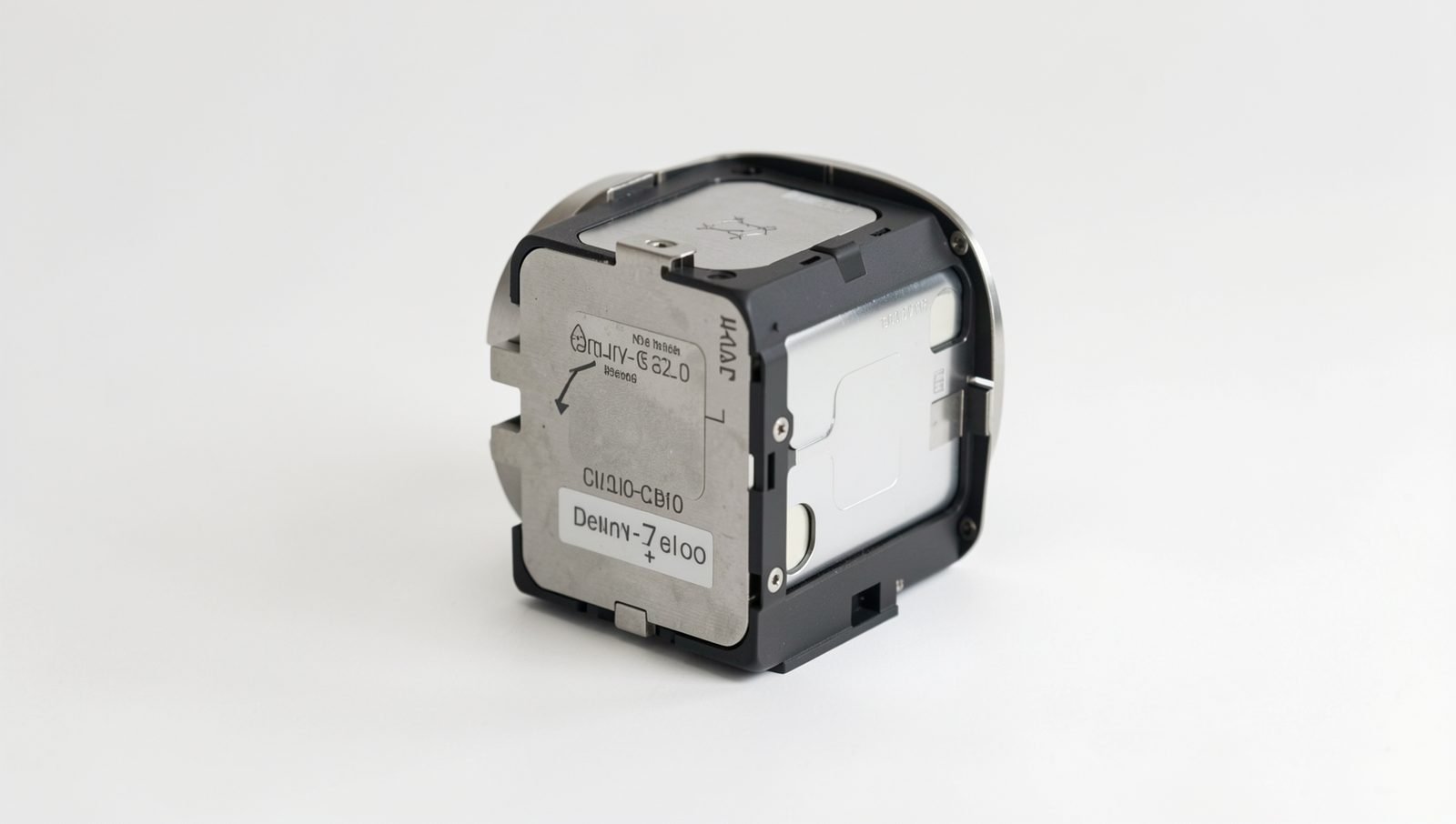
Japan is advancing several battery technologies beyond lithium-ion, including solid-state batteries, sodium-ion batteries, and lithium-sulfur batteries. These innovations aim to improve energy density, safety, and sustainability, addressing the limitations of traditional lithium-ion technology.
How do solid-state batteries differ from lithium-ion batteries?
Solid-state batteries utilize a solid
About the Author