Japan Esports Growth: How Competitive Gaming Is Expanding
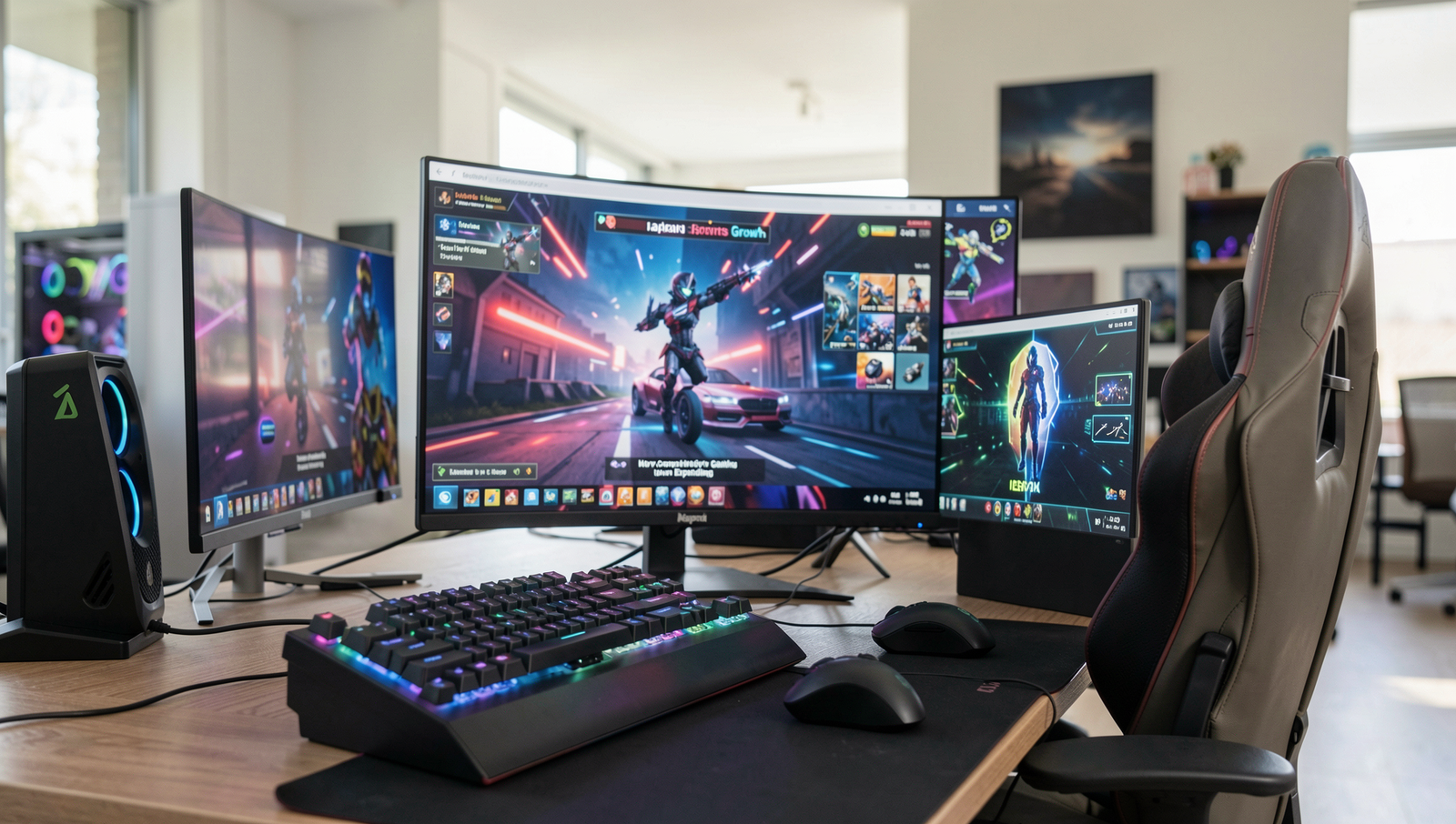
Exploring the rise of esports in Japan.
8 min read • 1,642 words
Table of Contents
ToggleJapan Esports Growth: How Competitive Gaming Is Expanding
The landscape of competitive gaming in Japan is undergoing a remarkable transformation, marking a significant milestone in the realm of Japan esports growth. With projections indicating that the country’s esports market will reach an impressive $1 billion by 2025, this surge is not just a trend but a burgeoning industry. Over the past three years, the number of esports events held in Japan has skyrocketed by more than 200%, showcasing the increasing popularity and acceptance of competitive gaming among the masses.
This article delves into the factors driving this growth, including substantial investments from major Japanese companies like Sony and Nintendo. Additionally, the rise of specialized esports programs at universities is nurturing a new generation of players. Readers will gain insights into the current state of esports in Japan, the opportunities it presents, and what the future holds for this dynamic sector.
Introduction to Esports in Japan
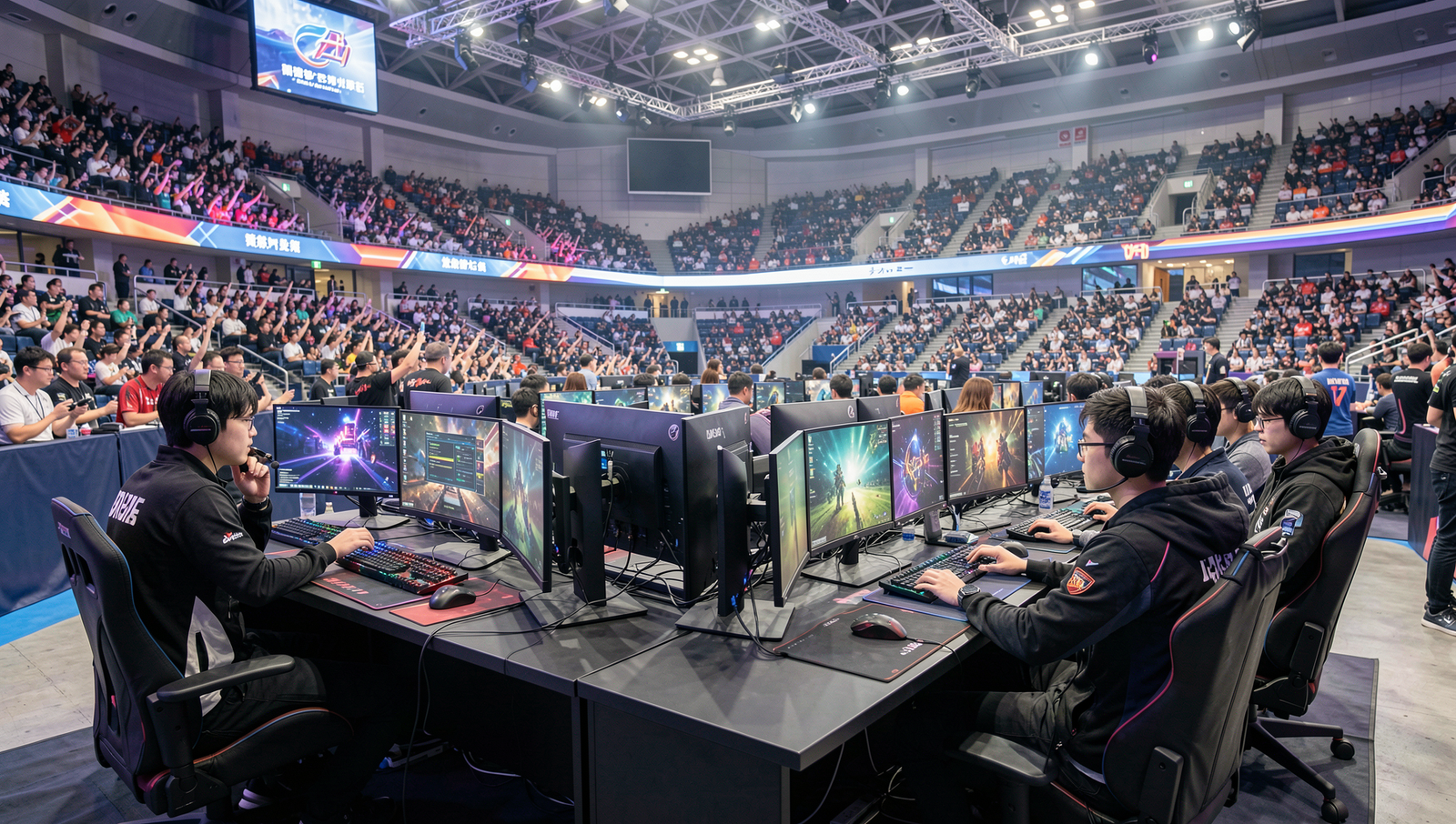
Japan has long been recognized as a powerhouse in the gaming industry, with a rich history that dates back to the early days of arcade gaming. The landscape of esports in Japan has evolved significantly over the years, transitioning from casual gaming to a competitive arena that attracts millions of players and viewers. This growth can be attributed to several factors, including technological advancements, increased investment in gaming infrastructure, and a shift in cultural attitudes towards competitive gaming.
Historically, Japan’s gaming culture has been shaped by iconic companies such as Nintendo, Sega, and Sony, which have laid the groundwork for a vibrant gaming community. The rise of competitive gaming can be traced back to the 1990s with the advent of fighting games like Street Fighter and Tekken, which fostered local tournaments and a sense of community among players. Key milestones in the development of esports in Japan include the establishment of the Japan Esports Union (JESU) in 2018, which aimed to regulate and promote esports, as well as the inclusion of esports in the Asian Games.
Current statistics reveal a burgeoning interest in esports among Japanese youth. According to recent surveys, approximately 60% of gamers in Japan are under the age of 30, with a significant percentage actively participating in esports. Viewer demographics also show a diverse audience, with both males and females engaging in esports content across various platforms. The growth of streaming services like Twitch and YouTube has further fueled this interest, allowing fans to connect with their favorite players and teams.
- Over 1.5 million esports players in Japan.
- Esports market projected to reach $1 billion by 2025.
- Major tournaments attracting over 10,000 attendees.
As Japan esports growth continues to gain momentum, the future looks promising for both players and fans alike, paving the way for a new era in competitive gaming.

Factors Contributing to Esports Growth
The growth of esports in Japan can be attributed to several key factors that have transformed the competitive gaming landscape. One of the most significant contributors is the increase in internet accessibility and speed. With the widespread availability of high-speed internet, gamers can easily connect and compete online. This has led to a surge in participation, as players no longer face the limitations of slow connections or restricted access.
Another important factor is the rise of mobile gaming. The proliferation of smartphones has made gaming more accessible to a broader audience. Titles such as “PUBG Mobile” and “League of Legends: Wild Rift” have gained immense popularity, allowing players to engage in competitive gaming on the go. This shift has not only expanded the player base but has also attracted new fans who may not have previously engaged with traditional gaming platforms.
Support from major corporations and sponsors has also played a crucial role in the growth of Japan esports. Companies like Sony and Nintendo have recognized the potential of competitive gaming and have invested in tournaments and events. This financial backing not only legitimizes esports but also provides the necessary resources for players and teams to thrive.
Furthermore, government initiatives and regulatory frameworks have fostered a more structured environment for esports. The Japanese government has begun to recognize esports as a legitimate sport, leading to the establishment of guidelines and support systems that promote growth. These initiatives help in organizing tournaments, ensuring fair play, and providing a safe environment for participants.
- Increased internet accessibility and speed
- Rise of mobile gaming
- Corporate sponsorship and support
- Government initiatives and regulations
These factors collectively contribute to the ongoing Japan esports growth, paving the way for a vibrant and competitive gaming culture in the country.
Impact of Esports on Japanese Society
The rise of esports in Japan has significantly altered the perception of gaming as a viable career option. Traditionally viewed as a pastime or a hobby, competitive gaming is now recognized as a legitimate profession. This shift has been fueled by the success of Japanese players in international tournaments, showcasing their skills on a global stage. As a result, more young people are pursuing careers in esports, whether as players, coaches, or content creators.
Moreover, esports have profoundly influenced youth culture and lifestyle. Young gamers are increasingly drawn to the excitement of competitive play, leading to a surge in gaming communities and social interactions centered around esports. This cultural shift is evident in the popularity of streaming platforms, where gamers share their experiences and connect with audiences. The community aspect of esports fosters friendships and collaboration, creating a sense of belonging among participants.
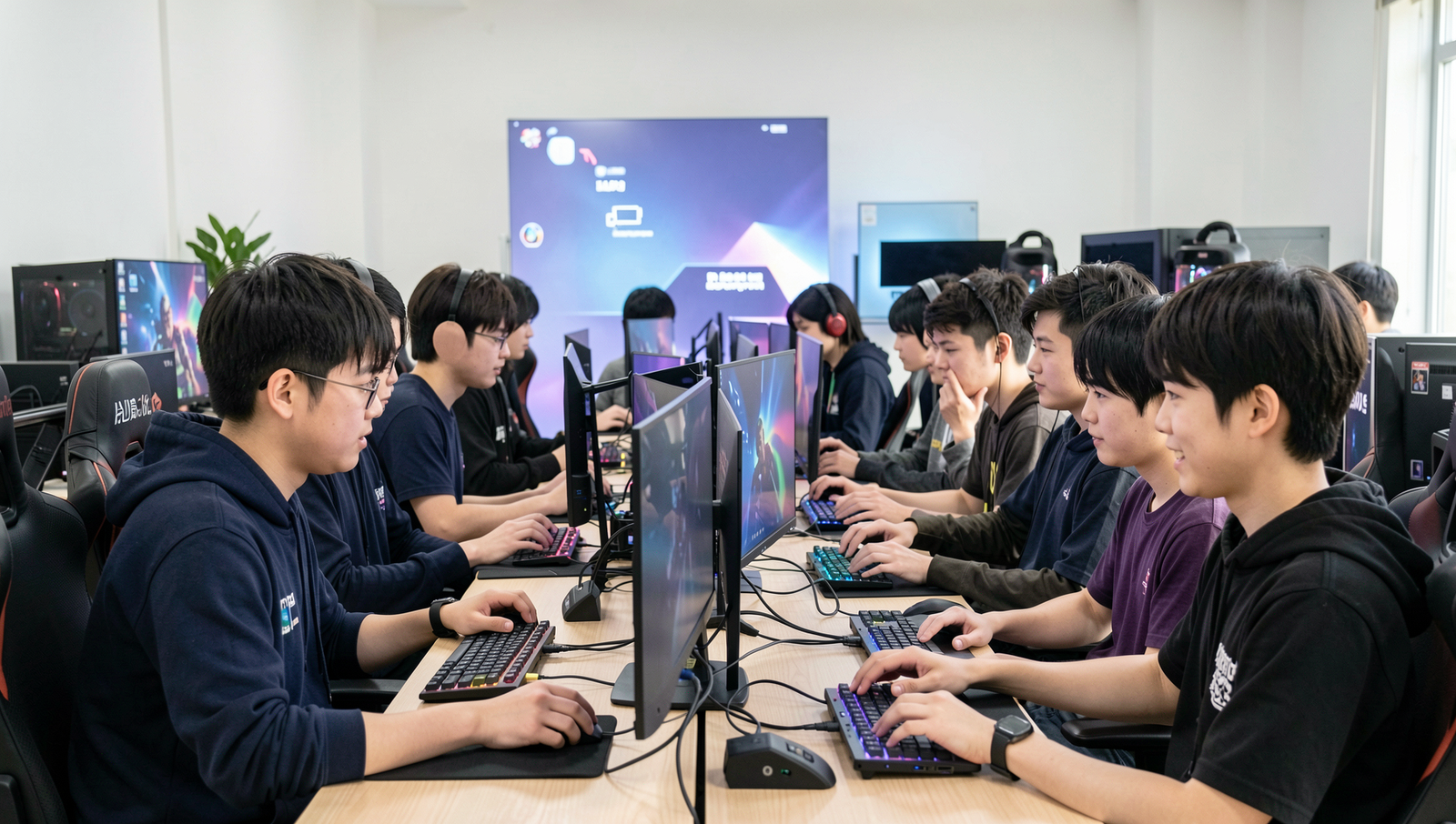
Educational institutions are also recognizing the potential of esports. Many schools and universities are integrating esports into their curricula, offering programs that teach not only gaming skills but also teamwork, strategy, and communication. This educational approach helps students develop valuable skills that can be applied in various fields, promoting a balanced view of gaming as both a recreational activity and a professional pursuit.
- Local tournaments are becoming increasingly popular, bringing together players from different backgrounds.
- These events foster community spirit and provide opportunities for networking.
- They also serve as platforms for aspiring players to showcase their talents.
In conclusion, the impact of esports on Japanese society is multifaceted, promoting a positive shift in perceptions of gaming while fostering community and educational opportunities. The ongoing growth of Japan esports growth is likely to continue shaping the future of the gaming landscape in the country.

Future Trends and Challenges
As Japan esports growth continues to gain momentum, several emerging technologies are poised to shape the landscape of competitive gaming. Innovations such as virtual reality (VR) and augmented reality (AR) are expected to enhance player experiences and engagement. For instance, VR tournaments could allow players to immerse themselves in a fully interactive environment, creating a more dynamic and thrilling competition. Additionally, advancements in artificial intelligence (AI) could lead to smarter game design and personalized training programs, helping players refine their skills more effectively.
International competitions and collaborations are also playing a crucial role in the expansion of Japan’s esports scene. Events like the Overwatch League and League of Legends World Championship attract global attention, providing Japanese players with opportunities to compete on an international stage. Collaborations with foreign esports organizations can foster knowledge exchange and elevate local talent, ultimately contributing to the overall growth of Japan’s esports ecosystem.
However, the journey toward sustainable growth is not without its challenges. Issues surrounding player welfare, including mental health and physical strain, have come to the forefront. The demanding schedules and high-pressure environments can lead to burnout among players. It is essential for organizations to implement support systems that prioritize the well-being of their athletes.
- Emerging technologies like VR and AI will redefine competitive gaming.
- International competitions enhance visibility and opportunities for local players.
- Player welfare must be prioritized to ensure long-term sustainability.
Looking ahead, predictions for the next decade in Japanese esports suggest a thriving industry, with increased investment and a broader audience base. The integration of esports into mainstream culture, including educational programs and corporate sponsorships, will further solidify its place in Japan’s entertainment landscape.
Conclusion
In summary, Japan esports growth has emerged as a significant phenomenon, transforming the landscape of competitive gaming in the country. The rise of esports has been fueled by increased investment from both domestic and international companies, as well as the growing popularity of gaming among younger demographics. This expansion has not only created new opportunities for players and teams but has also fostered a vibrant community of fans and enthusiasts. The establishment of professional leagues and tournaments has further legitimized esports as a viable career path, encouraging more individuals to pursue their passion for gaming.
Looking ahead, the next steps for Japan esports growth involve enhancing infrastructure, such as training facilities and sponsorship opportunities, to support aspiring gamers. Additionally, fostering partnerships between educational institutions and esports organizations can help cultivate talent from a young age. As the industry continues to evolve, Japan has the potential to become a global leader in the esports arena, driving innovation and engagement in competitive gaming.
Frequently Asked Questions
What is the current state of esports in Japan?
The current state of esports in Japan is rapidly evolving, with increasing participation and viewership. Major tournaments are being held, and games like League of Legends and Dota 2 are gaining popularity. However, mainstream acceptance is still developing.
How are Japanese companies supporting esports?
Japanese companies are investing heavily in esports through sponsorships, partnerships, and the establishment of professional teams. Major corporations are recognizing the potential of esports as a marketing platform, leading to increased funding and resources for players and events.
What role do schools play in esports development in Japan?
Schools in Japan are beginning to recognize the importance
About the Author