Japan Gaming Hardware: New Technology Behind Next-Gen Consoles
Exploring Japan's cutting-edge gaming hardware.
8 min read • 1,639 words
Table of Contents
ToggleJapan Gaming Hardware: New Technology Behind Next-Gen Consoles
Japan gaming hardware has long been at the forefront of the gaming industry, with major manufacturers like Sony and Nintendo leading the charge in innovation. As technology continues to evolve, these companies are pushing the boundaries of what is possible in gaming, making significant advancements that enhance user experience. This article delves into the latest developments in Japan’s gaming hardware, focusing on how these innovations are shaping the future of gaming.
Readers will learn about the impressive features of next-gen consoles, such as the PlayStation 5’s custom SSD that drastically reduces load times, and the Nintendo Switch OLED model’s enhanced display technology that elevates visual quality. Additionally, we will explore how Japanese companies are investing in cloud gaming and incorporating artificial intelligence to refine game design and player interactions, ensuring that the gaming experience remains engaging and immersive.
Overview of Japan’s Gaming Hardware Industry
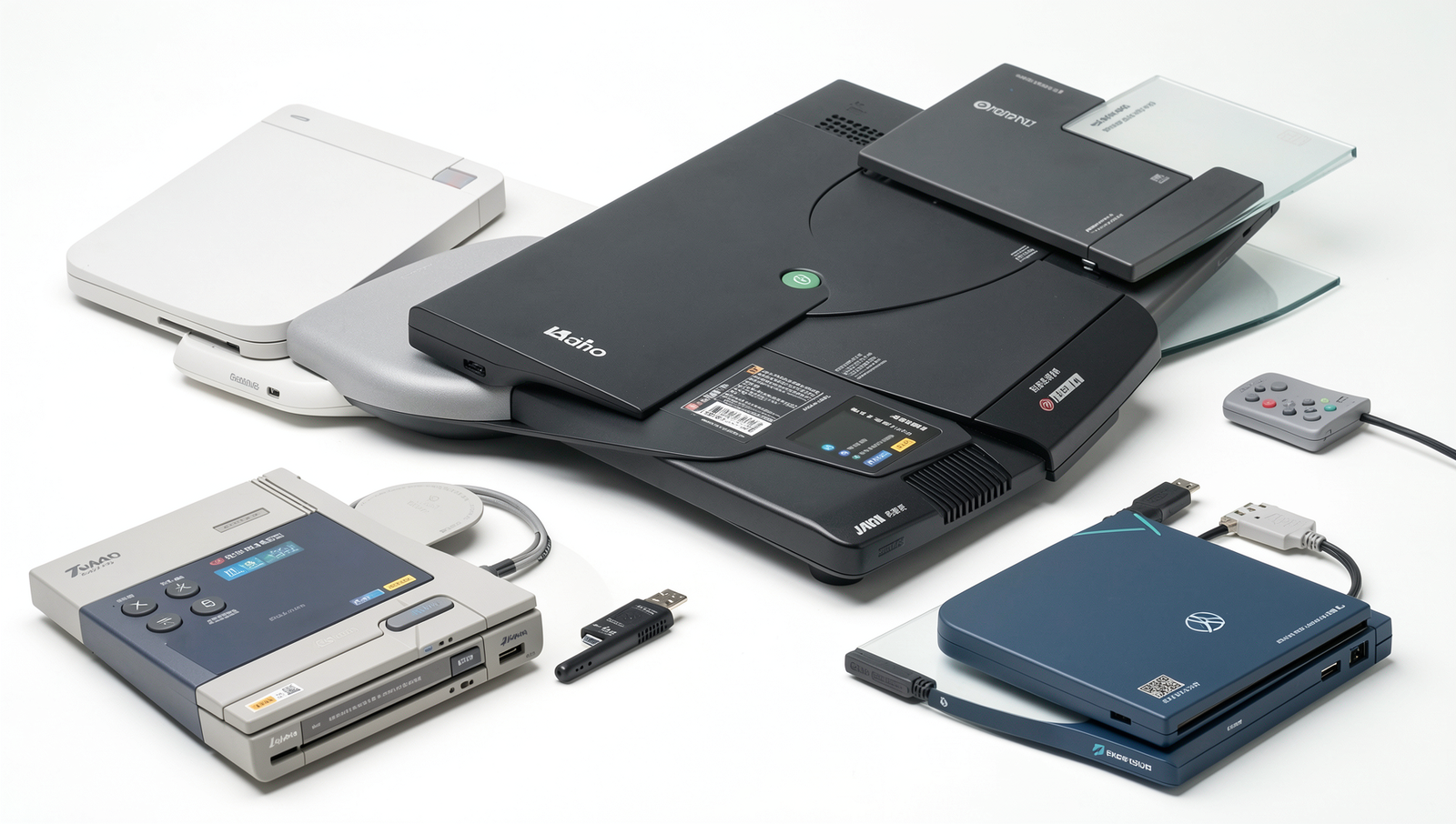
Japan has long been a powerhouse in the gaming hardware industry, with a rich history that dates back to the late 1970s. The emergence of arcade games, such as “Space Invaders,” marked the beginning of a gaming revolution that would see Japan become synonymous with innovation in gaming technology. Companies like Nintendo and Sega pioneered home consoles, introducing iconic systems like the Nintendo Entertainment System (NES) and the Sega Genesis, which laid the groundwork for future developments.
Today, the Japanese gaming hardware market is dominated by several key players. Major companies include:
- Nintendo
- Sony Interactive Entertainment
- Microsoft Japan
- Capcom
These companies not only lead in sales but also in technological advancements, continually pushing the boundaries of what is possible in gaming. The influence of Japanese culture is evident in the design and functionality of gaming hardware, often reflecting local aesthetics and storytelling traditions. For instance, the popularity of role-playing games (RPGs) in Japan has driven the development of consoles that support expansive, immersive worlds.
Current trends in Japan gaming hardware include a strong focus on virtual reality (VR) and augmented reality (AR) technologies. As gamers seek more interactive experiences, companies are investing heavily in these areas. Additionally, the rise of cloud gaming services is reshaping market dynamics, allowing players to access high-quality games without the need for expensive hardware. This shift is indicative of a broader trend towards accessibility and convenience in gaming.
Innovations in Next-Gen Console Technology
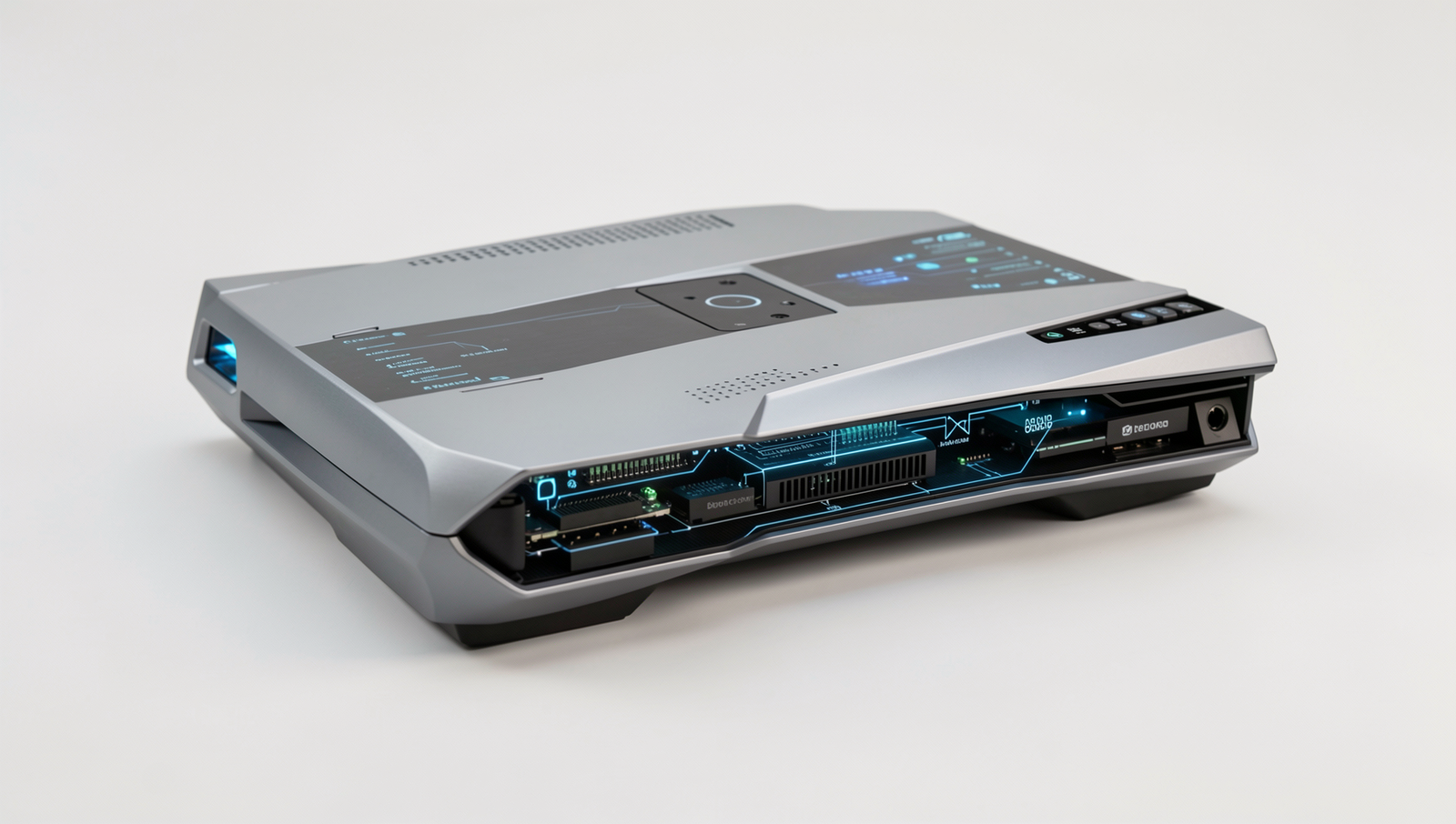
The landscape of gaming hardware in Japan has undergone a significant transformation with the advent of next-gen consoles. These systems are not just incremental upgrades; they represent a leap forward in technology that enhances the overall gaming experience. Key innovations include advancements in processing power, graphics capabilities, and the integration of artificial intelligence (AI) and machine learning.
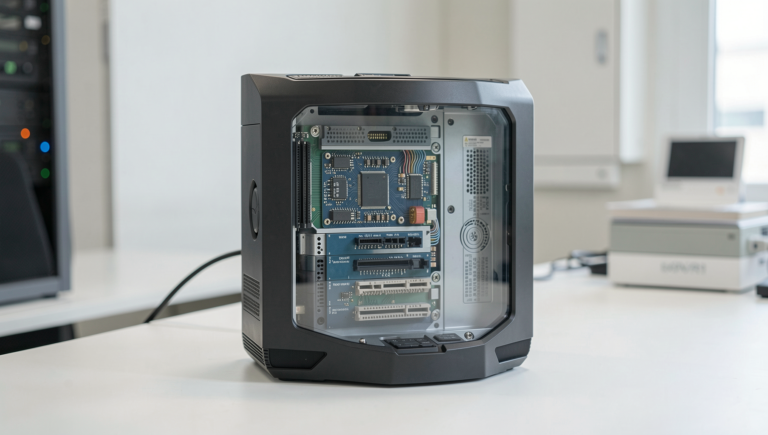
Modern consoles are equipped with powerful processors that enable more complex calculations and faster performance. For instance, the latest models utilize custom-designed CPUs and GPUs that allow for real-time ray tracing, providing stunning visual fidelity. This means that games can now feature realistic lighting, shadows, and reflections, elevating the immersive experience for players.
Moreover, the integration of AI and machine learning technologies is reshaping how games are developed and played. AI can be employed to create more responsive and intelligent non-player characters (NPCs), enhancing gameplay dynamics. Machine learning algorithms can analyze player behavior to tailor experiences, making games more engaging and personalized.
Another significant advancement is the use of solid-state drives (SSDs). Unlike traditional hard drives, SSDs drastically reduce load times, allowing players to jump into their games almost instantly. This not only improves the user experience but also influences game design, enabling developers to create larger, more intricate worlds without the constraints of long loading screens.
- Enhanced processing power for complex graphics.
- Real-time ray tracing for realistic visuals.
- AI-driven NPCs for improved gameplay.
- SSDs for instant load times.
As Japan gaming hardware continues to evolve, these innovations are setting new standards for what gamers can expect from their consoles, paving the way for a more immersive and dynamic gaming future.
User Experience and Interface Enhancements
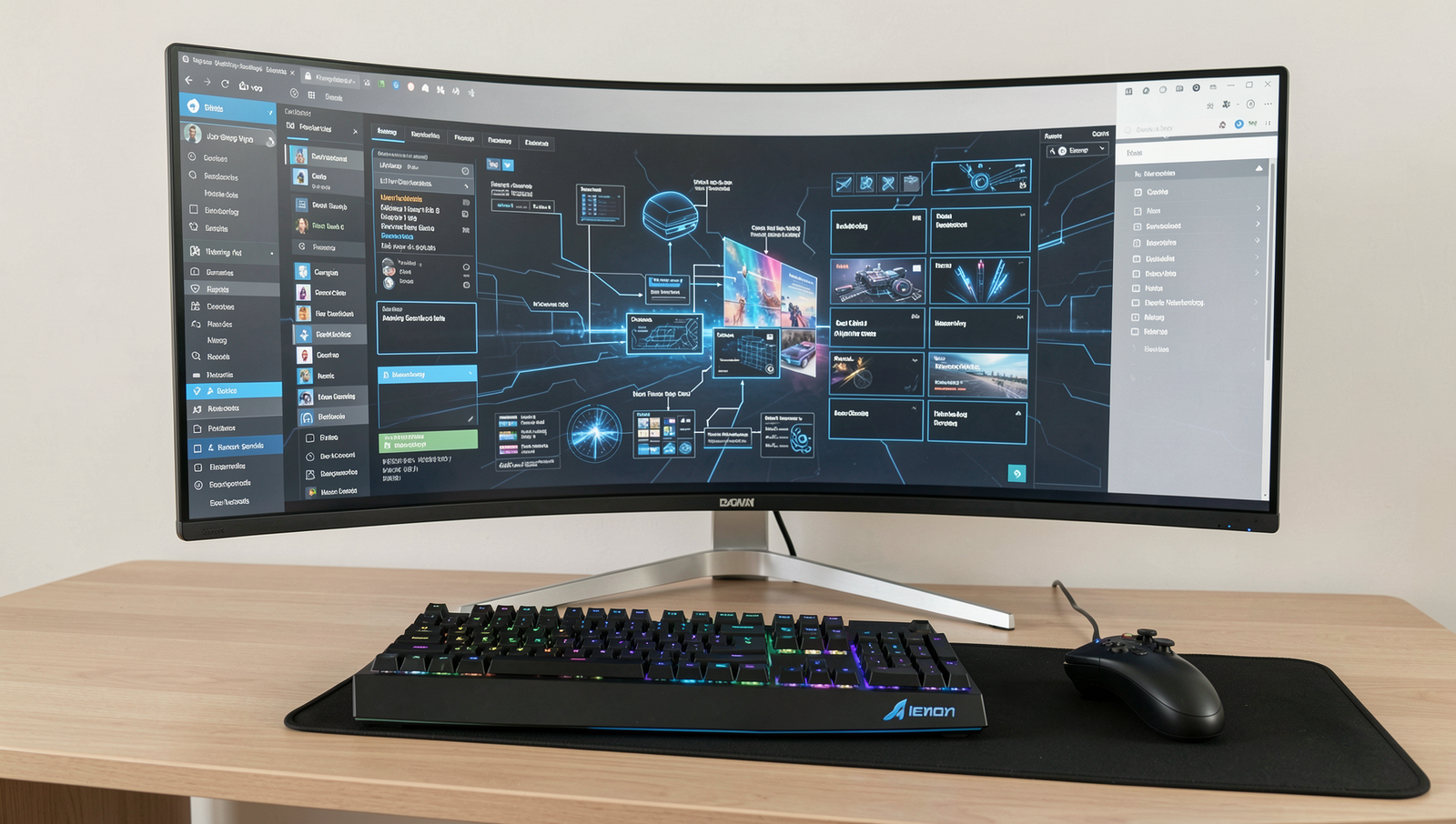
The evolution of user interfaces in gaming consoles has been a significant aspect of Japan gaming hardware development. From the simple button layouts of early consoles to the sophisticated touchscreens and voice commands of today, user interfaces have transformed dramatically. Modern consoles now offer intuitive navigation systems that allow players to access their games, settings, and online features with ease. The integration of customizable dashboards and personalized profiles enhances the overall user experience, making it more engaging and user-friendly.
Haptic feedback technology plays a crucial role in creating immersive experiences for gamers. This feature allows players to feel the game through vibrations and tactile sensations, making gameplay more realistic. For instance, when a character in a game runs over different terrains, the controller can simulate the feeling of rough surfaces or smooth roads, adding depth to the gaming experience. This level of immersion is essential for next-gen consoles, as it helps bridge the gap between virtual and real-world interactions.
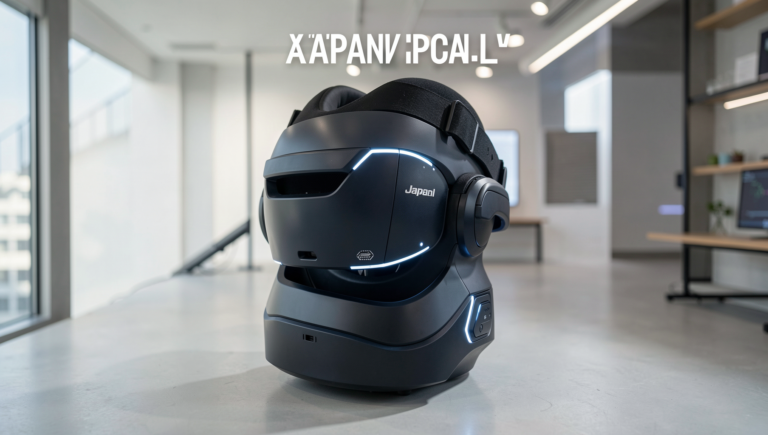
Virtual Reality (VR) and Augmented Reality (AR) are also shaping user interaction in gaming. These technologies provide players with a unique way to engage with games, allowing them to step into the game world and interact with it in unprecedented ways. For example, VR headsets enable players to look around and explore environments as if they were physically present, while AR overlays digital elements onto the real world, enhancing gameplay.
- Accessibility features are becoming increasingly important in next-gen consoles, ensuring that all players can enjoy gaming.
- Options such as customizable controls, screen readers, and colorblind modes cater to a diverse audience.
- These enhancements not only promote inclusivity but also broaden the gaming community.
In conclusion, the advancements in user experience and interface enhancements in Japan gaming hardware are paving the way for a more immersive and accessible gaming landscape. As technology continues to evolve, the focus on user interaction will remain a priority for developers and manufacturers alike.
Future Trends and Predictions for Gaming Hardware
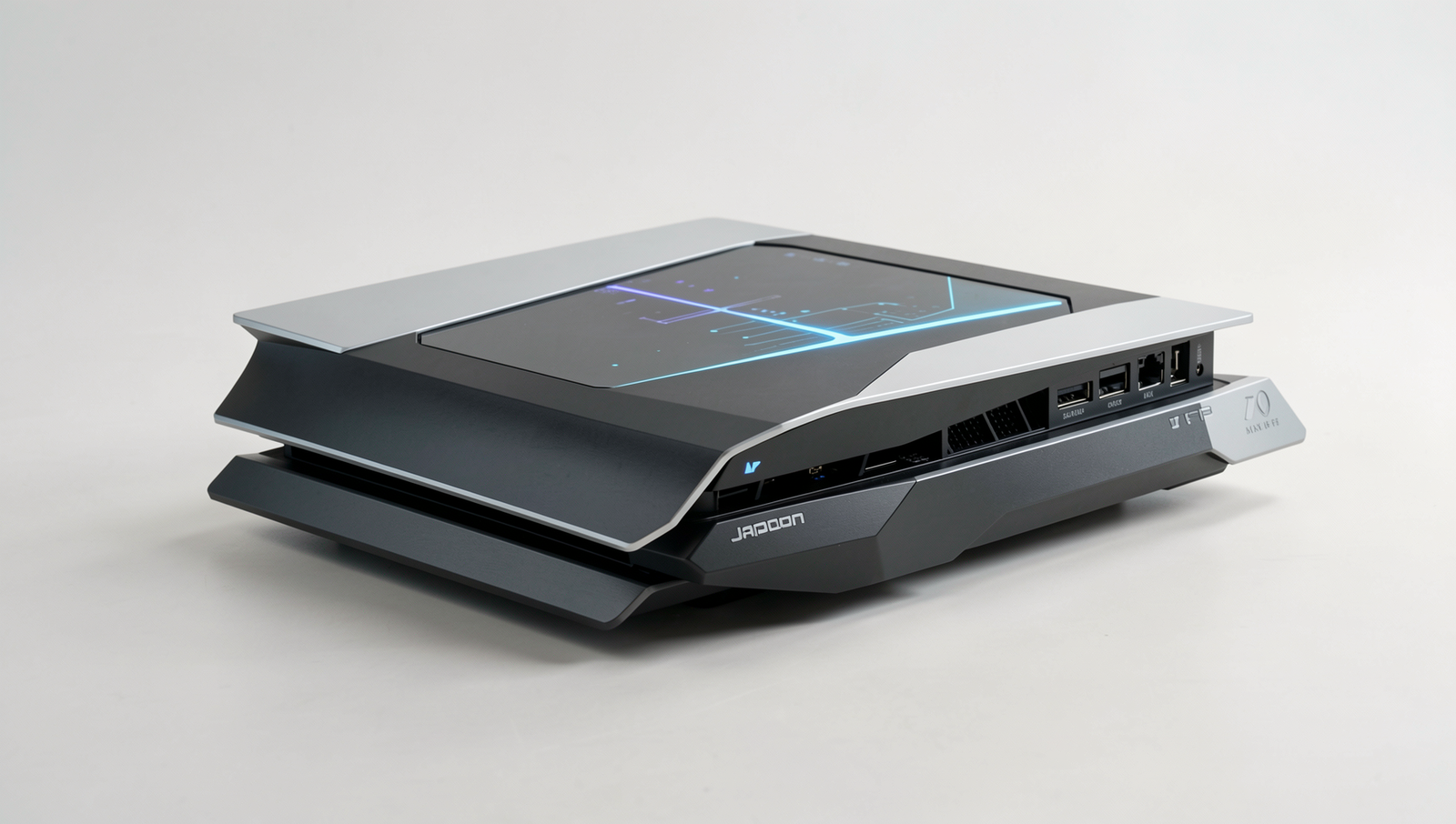
The landscape of Japan gaming hardware is rapidly evolving, driven by emerging technologies that promise to redefine the gaming experience. One of the most significant trends is the integration of artificial intelligence (AI) into gaming systems. AI can enhance game design, improve player interactions, and even personalize gaming experiences based on individual preferences. For instance, AI-driven NPCs (non-player characters) can adapt their behavior based on player actions, creating a more immersive environment.
Another technology on the horizon is augmented reality (AR) and virtual reality (VR). As hardware becomes more powerful and affordable, we can expect to see an increase in AR and VR gaming experiences. Companies like Sony are already investing in VR headsets, which could become mainstream in the next generation of consoles. This shift towards immersive gaming experiences aligns with changing consumer preferences, as gamers increasingly seek more interactive and engaging content.
- Cloud gaming is also poised to revolutionize the industry. Services like Google Stadia and NVIDIA GeForce NOW allow players to stream games directly to their devices, reducing the need for expensive hardware.
- Streaming services are expected to gain traction, as they offer convenience and accessibility, allowing gamers to play high-quality titles without the need for powerful consoles.
However, the gaming hardware industry faces challenges, including the need for stable internet connections for cloud gaming and potential market saturation. As consumer preferences shift towards digital ownership and subscription models, traditional hardware sales may decline, forcing manufacturers to adapt their strategies. The future of Japan gaming hardware will likely hinge on how well companies can navigate these trends and challenges while delivering innovative experiences to gamers.
Conclusion
In summary, Japan gaming hardware has made significant strides in the development of next-generation consoles, showcasing innovative technologies that enhance gaming experiences. The integration of advanced graphics processing units (GPUs) and faster solid-state drives (SSDs) has enabled smoother gameplay and reduced loading times, making immersive worlds more accessible than ever. Additionally, the focus on virtual reality (VR) and augmented reality (AR) capabilities has opened new avenues for game design, allowing developers to create more engaging and interactive environments.
As we look to the future, the benefits of these advancements will continue to shape the gaming landscape. With ongoing research and development, we can expect even more groundbreaking features that will redefine how players interact with games. The next steps for Japan gaming hardware involve further collaboration between hardware manufacturers and game developers, ensuring that the potential of these technologies is fully realized in upcoming releases. This synergy will undoubtedly lead to a more vibrant and dynamic gaming ecosystem.
Frequently Asked Questions
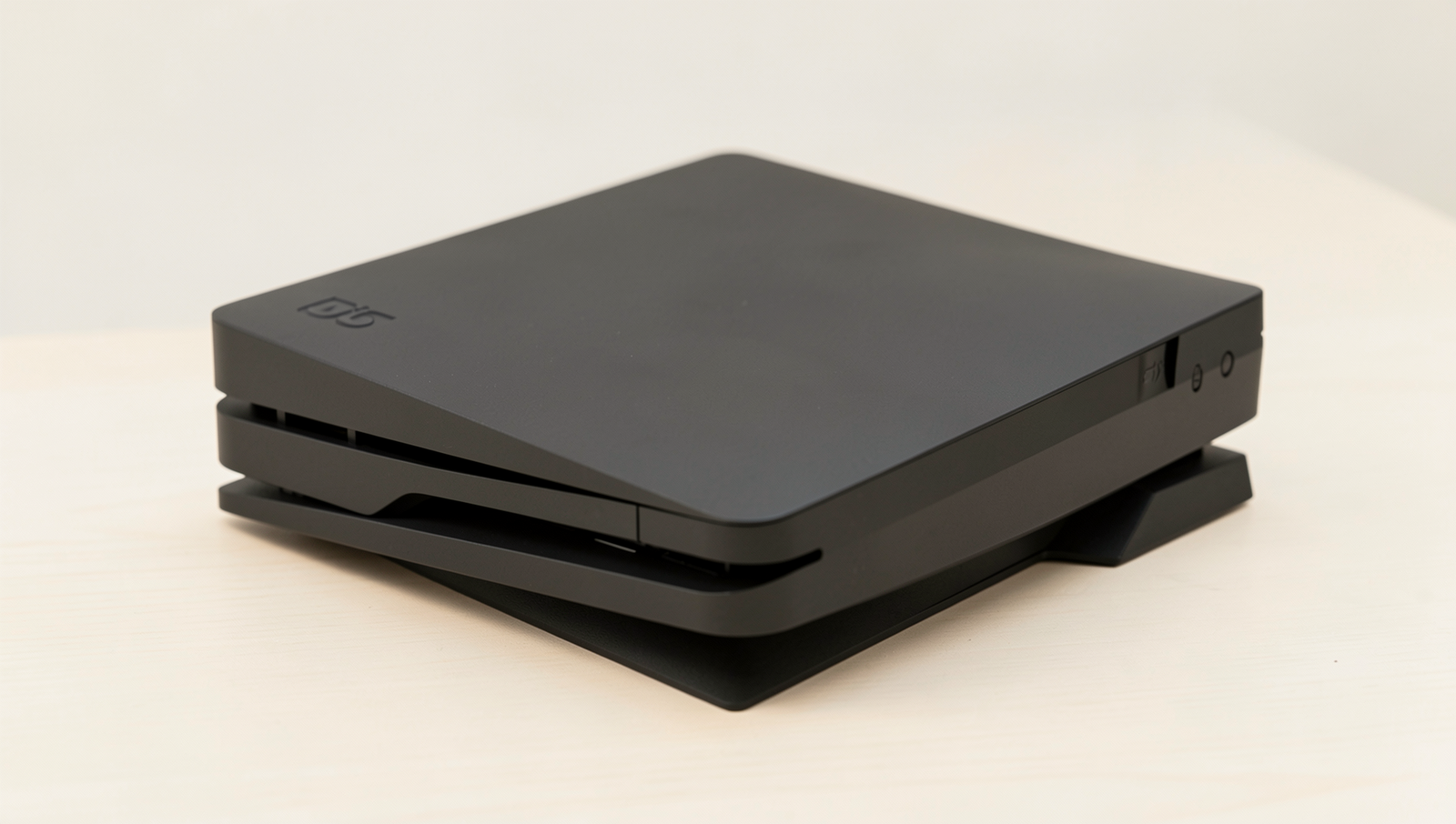
What are the key features of next-gen gaming consoles from Japan?
The next-gen gaming consoles from Japan boast impressive features such as ultra-fast SSD storage for reduced load times, advanced graphics capabilities with ray tracing support, and enhanced processing power. These consoles also offer backward compatibility and improved online gaming experiences.
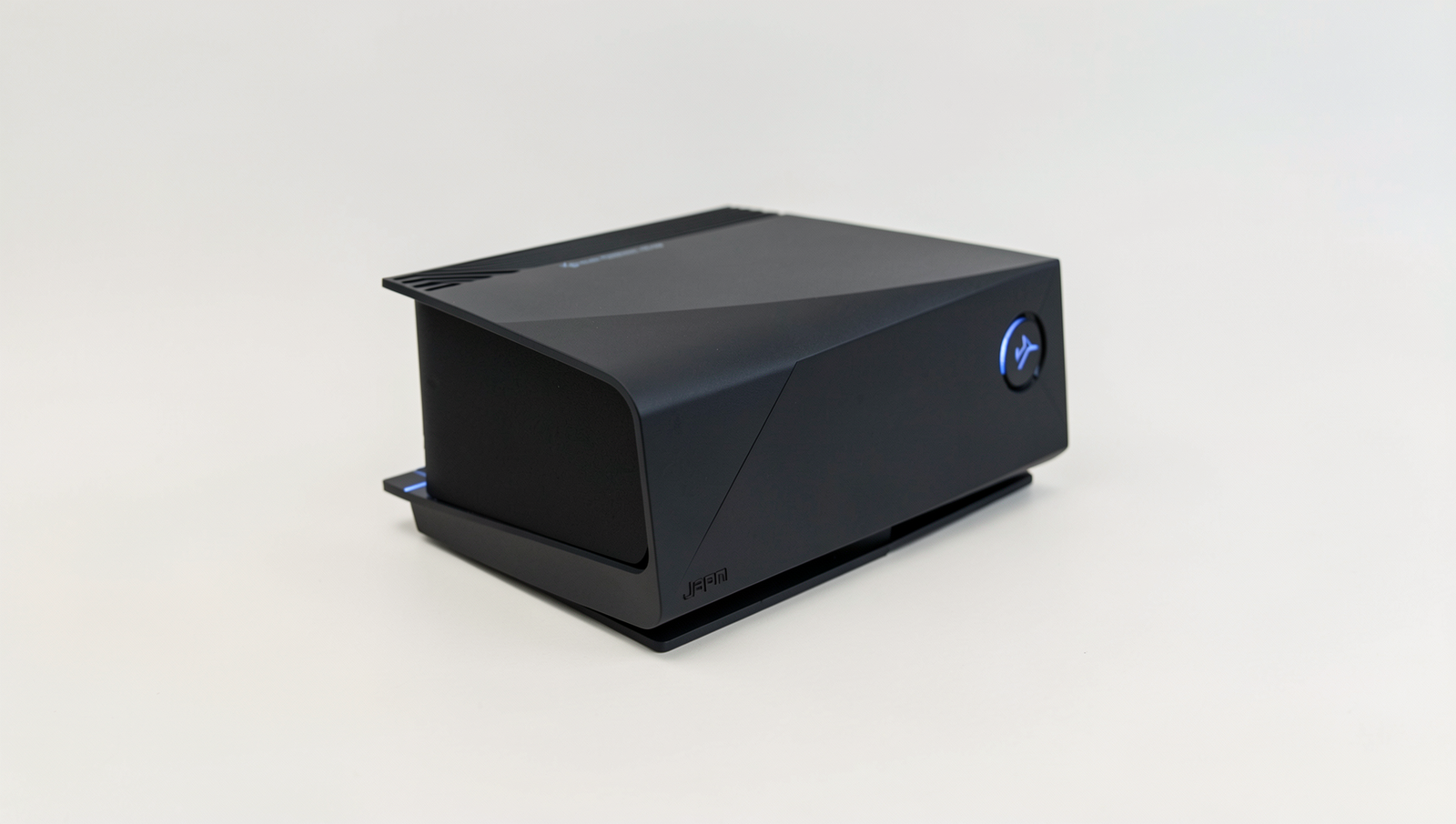
How does the new technology improve gaming experience?
New technology enhances the gaming experience by providing higher frame rates, improved graphics fidelity, and immersive audio. Features like haptic feedback and adaptive triggers create a more tactile and engaging gameplay, making players feel more connected to the virtual environment.
What companies are leading the development of these consoles?
Leading companies in the development of next-gen consoles include Sony and Nintendo, both renowned for their innovation. Microsoft also plays a significant role in the gaming landscape, pushing boundaries with their hardware and software offerings, competing closely with Japanese firms.
When are the next-gen consoles expected to be released?
Next-gen consoles are expected to be released in late 2023 or early 2024. Companies are keen to unveil their latest technology during major gaming events, ensuring
About the Author