Japan Tech Exports: Products Gaining Global Attention

Japan's tech exports: innovation meets global demand.
8 min read • 1,636 words
Table of Contents
ToggleJapan Tech Exports: Products Gaining Global Attention
Japan tech exports have become a focal point in the global market, showcasing the country’s innovative prowess and technological advancements. As the third largest exporter of technology products in the world, trailing only the USA and China, Japan’s influence in the tech sector is undeniable. In 2022, Japan’s tech exports reached a record high of $150 billion, primarily driven by the booming semiconductor and robotics industries. This remarkable growth highlights the significance of Japan’s contributions to global technology.
In this article, readers will explore the various sectors where Japan excels, including robotics, electric vehicles, and advanced manufacturing technologies. With Japanese robotics companies holding over 40% of the global market share, and a 25% increase in electric vehicle exports last year, the demand for Japanese tech products is on the rise. Understanding these trends is essential for anyone interested in the future of technology and international trade.
Overview of Japan’s Tech Export Landscape
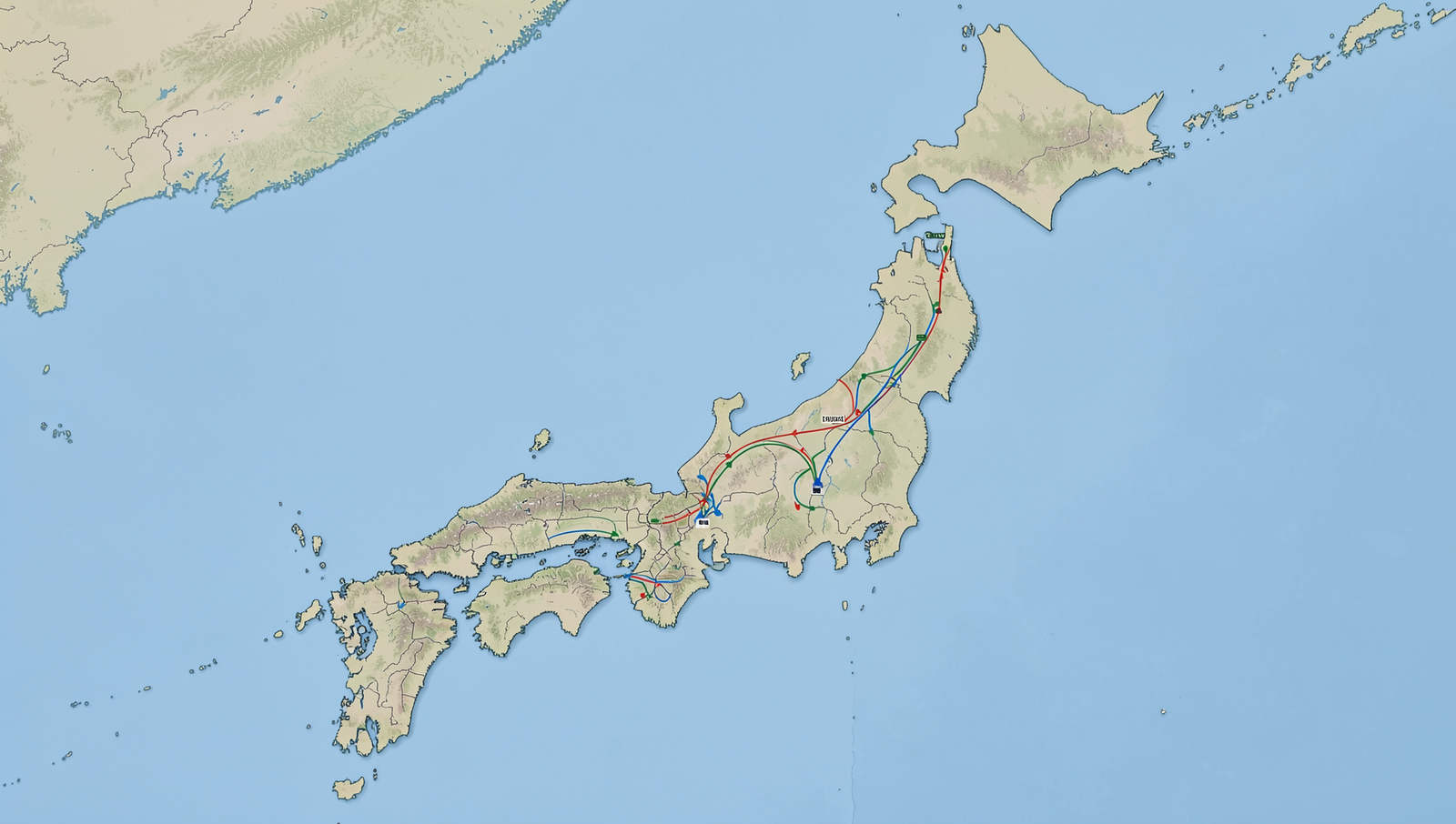
Japan has long been recognized as a powerhouse in technology and innovation. Historically, the country emerged as a significant player in the global tech export market during the 1980s, when it became known for its consumer electronics, automotive innovations, and precision machinery. Companies like Sony, Toyota, and Panasonic set the standard for quality and innovation, establishing Japan as a leader in various tech sectors.
As of 2023, Japan’s tech exports continue to thrive, with the country exporting approximately $130 billion worth of technology-related goods. This figure represents a notable increase from previous years, reflecting Japan’s ability to adapt and innovate in a rapidly changing global market. Key sectors contributing to this growth include semiconductors, robotics, and automotive technology, which are in high demand worldwide.
- Semiconductors: Japan is home to some of the world’s leading semiconductor manufacturers, supplying critical components for smartphones, computers, and other electronic devices.
- Robotics: With advancements in automation and AI, Japan’s robotics industry is at the forefront, providing solutions for manufacturing, healthcare, and service industries.
- Automotive Technology: Japanese automakers are not only known for their vehicles but also for their innovations in electric and hybrid technologies.
When comparing Japan’s tech exports to those of other leading countries, such as the United States and South Korea, it becomes evident that Japan maintains a competitive edge in specific sectors. While the U.S. leads in software and internet services, Japan excels in hardware and manufacturing technologies. South Korea, on the other hand, has made significant strides in consumer electronics, particularly in mobile devices. This dynamic landscape highlights the importance of Japan tech exports in the global economy, showcasing the country’s ongoing commitment to innovation and quality.
Innovative Products Driving Global Demand
Japan has long been recognized as a leader in technology and innovation, and its tech exports are increasingly capturing global attention. The country is home to a plethora of cutting-edge technologies that are not only transforming industries but also enhancing everyday life. From robotics to advanced electronics, Japan’s innovative products are setting new standards and driving international demand.
Among the top products gaining traction on the global stage are:
- Robotics: Japanese companies like Fanuc and SoftBank Robotics are at the forefront of developing advanced robots for various applications, including manufacturing, healthcare, and personal assistance.
- Consumer Electronics: Brands such as Sony and Panasonic continue to innovate with products like high-definition televisions, audio equipment, and smart home devices that appeal to consumers worldwide.
- Automotive Technology: Japan’s automotive industry, led by giants like Toyota and Honda, is pioneering electric and hybrid vehicles, as well as autonomous driving technologies that are gaining popularity globally.
Case studies highlight the success of these products in the international market. For instance, SoftBank’s humanoid robot, Pepper, has been deployed in various sectors, including retail and hospitality, showcasing its ability to enhance customer interaction and service. Another example is Toyota’s Prius, which revolutionized the hybrid vehicle market and continues to be a top choice for environmentally conscious consumers around the world.
The impact of innovation on Japan tech exports is profound. As these products gain recognition and acceptance, they contribute significantly to the country’s economy. The focus on research and development, coupled with a commitment to quality, ensures that Japan remains a key player in the global tech landscape. As a result, Japan tech exports are not only thriving but also shaping the future of technology worldwide.

Challenges and Opportunities in Global Markets
Japan tech exports are increasingly gaining traction on the global stage, but they face significant challenges that can hinder their growth. One of the primary barriers to entry in foreign markets is the intense competition from other countries, particularly those with lower production costs. Countries like China and South Korea have established themselves as formidable players in the tech industry, making it difficult for Japanese companies to penetrate new markets.
Additionally, regulatory challenges pose a significant hurdle for exporters. Different countries have varying standards and regulations regarding technology products, which can complicate the export process. For instance, compliance with data protection laws, intellectual property rights, and safety standards can require substantial investment in legal and administrative resources. Japanese companies must navigate these complexities to ensure their products meet local requirements.
Despite these challenges, there are ample opportunities in emerging markets. Countries in Southeast Asia, Africa, and South America are experiencing rapid technological growth and increasing demand for advanced tech products. Japan tech exports can capitalize on this trend by focusing on sectors such as renewable energy, telecommunications, and automation technologies.
To overcome the challenges faced in global markets, Japanese exporters can adopt several strategies:
- Conduct thorough market research to understand local consumer preferences and regulatory landscapes.
- Establish partnerships with local firms to facilitate market entry and compliance with regulations.
- Invest in innovation to differentiate products and maintain a competitive edge.
- Utilize digital marketing strategies to enhance brand visibility and reach potential customers.
By addressing these challenges and leveraging opportunities, Japan tech exports can strengthen their position in the global marketplace and contribute to the country’s economic growth.

Future Trends in Japan’s Tech Exports
Japan’s tech exports are poised for significant growth in the coming years, driven by advancements in various sectors. Key areas predicted to flourish include robotics, semiconductor manufacturing, and renewable energy technologies. As global demand for innovative solutions increases, Japan’s reputation for quality and precision positions it well to capitalize on these trends.
- Robotics: With industries worldwide seeking automation, Japan’s expertise in robotics is becoming increasingly valuable. Companies like Fanuc and Yaskawa are leading the charge, developing robots that enhance productivity in manufacturing and logistics.
- Semiconductors: As the backbone of modern electronics, semiconductors are critical. Japan’s semiconductor industry is expected to expand, especially with the rise of 5G technology and Internet of Things (IoT) devices.
- Renewable Energy: Japan is investing heavily in sustainable technologies, particularly solar and wind energy. This focus on sustainability is not just a trend but a necessity, as global markets shift towards greener solutions.
Sustainability plays a crucial role in shaping Japan’s tech exports. Consumers and businesses alike are increasingly prioritizing eco-friendly products. Japanese companies are responding by integrating sustainable practices into their manufacturing processes and developing energy-efficient technologies. This commitment not only meets market demands but also enhances Japan’s global reputation as a leader in sustainable innovation.
The impact of AI and automation on exports cannot be overstated. These technologies are revolutionizing production processes, allowing for greater efficiency and reduced costs. As Japanese firms adopt AI-driven solutions, they can enhance their competitiveness in the global market, making their products more appealing to international buyers.
To maintain competitiveness in the long term, Japan must focus on several strategies. Investing in research and development is essential to stay ahead of technological advancements. Additionally, fostering partnerships with international firms can open new markets and enhance collaborative innovation. Finally, adapting to changing consumer preferences, particularly regarding sustainability, will be vital for the continued success of Japan tech exports.
Conclusion
Japan tech exports have emerged as a significant force in the global market, showcasing the country’s innovative capabilities and technological advancements. With products ranging from robotics and electronics to automotive technologies, Japan has positioned itself as a leader in high-quality and cutting-edge solutions. The emphasis on research and development, coupled with a strong manufacturing base, has allowed Japanese companies to create products that not only meet but often exceed international standards. This focus on excellence has garnered global attention, making Japan a preferred partner for countries seeking reliable technology solutions.
Looking ahead, the benefits of Japan tech exports are poised to expand further. As global demand for advanced technology continues to rise, Japan’s commitment to innovation will play a crucial role in maintaining its competitive edge. Companies should explore new markets and strengthen international collaborations to capitalize on emerging opportunities. By fostering partnerships and investing in sustainable practices, Japan can ensure that its tech exports remain at the forefront of the global landscape, driving economic growth and technological progress for years to come.
Frequently Asked Questions

What are the main tech products Japan exports?
Japan is renowned for exporting a variety of advanced tech products, including consumer electronics like televisions and cameras, automotive technology, robotics, and semiconductor manufacturing equipment. These products are known for their quality, precision, and innovation, making them highly sought after worldwide.
How has Japan’s tech export market changed recently?
Recently, Japan’s tech export market has experienced significant changes due to globalization and increased competition. The rise of digital technologies and the demand for sustainable products have prompted Japanese companies to innovate and adapt, leading to a more diverse range of tech exports.
Which countries are the largest importers of Japanese tech products?
The largest importers of Japanese tech products include
About the Author