Trading News: Latest Market Trends and Global Developments
Introduction
Financial markets are constantly changing, and traders around the world follow trading news to understand the latest market developments. Stock prices, currencies, commodities, interest rates, economic data, and corporate announcements can all influence market sentiment.
For traders and investors, staying informed can help provide a better understanding of why markets are moving. However, financial news should be considered alongside market data and personal research rather than treated as a guarantee of future price movements.
What Is Trading News?
Trading news includes information that may affect financial markets and trading activity. This can include stock market updates, economic reports, central bank decisions, company earnings, currency movements, geopolitical developments, and changes in global market sentiment.
Major financial markets are connected, meaning an important event in one country can sometimes influence markets in another region. This is why traders often monitor both local and international developments.
Latest Stock Market Trends
The stock market remains one of the most popular areas followed by traders and investors. Major indexes can provide a general view of market sentiment, while individual stocks may respond differently depending on company-specific developments.
Investors often monitor price movements, trading volume, corporate earnings, economic indicators, and broader market trends when researching stocks.
Market conditions can change quickly, so traders should avoid relying on a single headline when making financial decisions.
Global Markets and Trading
Global financial markets are closely connected. Movements in the United States, Europe, and Asia can influence investor sentiment in other regions.
For example, developments in major stock indexes can affect Asian markets when trading begins. Similarly, changes in currency markets or commodity prices can influence companies and economies around the world.
Following global market news can therefore help traders understand the broader environment in which individual markets are operating.
Forex Trading News
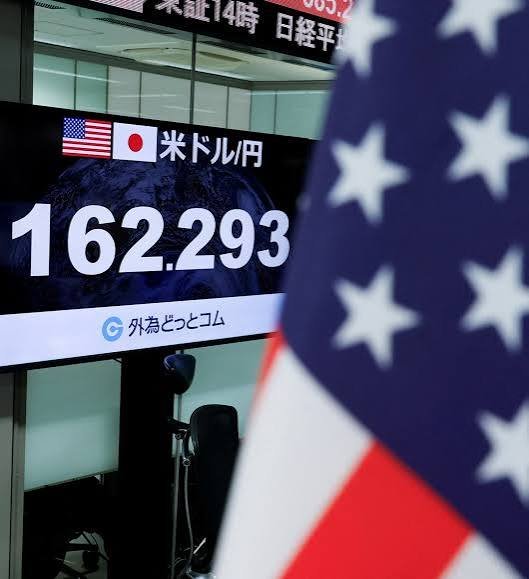
The foreign exchange market is another major area of financial activity. Forex news often focuses on interest rates, inflation, economic data, central bank decisions, and currency movements.
Currencies can react quickly to economic announcements. The Japanese yen, US dollar, euro, and other major currencies are closely followed by traders.
However, currency markets can be volatile, and unexpected developments can cause rapid price changes. Proper risk management is therefore essential.
Inerest Rates and Financial Marketst
Interest rates can have a significant influence on financial markets. When central banks change monetary policy or provide new guidance, traders may adjust their expectations.
Higher or lower interest-rate expectations can influence currencies, bonds, stocks, and other financial assets.
Because of this, financial news frequently focuses on central bank meetings, inflation data, employment figures, and economic growth.
Japan Stock Market News
Japan is one of Asia’s major financial markets and attracts significant international attention. The Nikkei 225 is a widely followed Japanese stock market index.
Japanese stocks can be influenced by corporate earnings, global demand, currency movements, economic conditions, and international market sentiment.
For traders following Japan stock market news, monitoring both domestic developments and global markets can provide useful context.
Technology and Trading Markets
Technology continues to influence financial markets. Artificial intelligence, semiconductors, robotics, cloud computing, and digital services are among the areas that attract investor attention.
Technology companies can experience strong price movements when new products, earnings reports, partnerships, or industry developments are announced.
As a result, technology trading news can be an important area for investors following growth-focused companies.
The Role of Economic Data
Economic data can provide information about the health of an economy. Employment reports, inflation figures, manufacturing activity, consumer spending, and economic growth are examples of data that traders may monitor.
When economic data differs significantly from expectations, financial markets can react quickly.
Understanding the difference between actual results and market expectations is therefore an important part of following trading news.
Why Risk Management Matters
Financial markets involve risk. Prices can rise or fall unexpectedly, and even experienced traders cannot predict every market movement.
Good risk management can help traders control potential losses. Traders may use appropriate position sizes, trading plans, and predefined risk limits according to their individual circumstances.
It is also important to avoid making financial decisions based solely on social media posts, rumors, or sensational headlines.
How to Follow Trading News
A useful approach is to compare information from multiple reliable sources. Traders can monitor official economic releases, company announcements, financial market data, and established news organizations.
Instead of focusing only on whether a market is going up or down, readers can also ask why the movement is happening and whether the underlying information supports the market reaction.
This approach can help create a more balanced understanding of current market trends.
Conclusion
The world of financial markets is constantly evolving, making trading news an important source of information for traders and investors. Stock markets, forex, interest rates, economic data, technology companies, and global developments can all influence market movements.
Following the latest stock market news, forex news, global market news, and Japan stock market news can help readers better understand the financial environment.
However, news is only one part of market research. Responsible traders should consider multiple sources of information, understand the risks involved, and make decisions based on careful analysis rather than emotion or speculation.
About the Author