Japan Quantum Computing: The Race for Next-Gen Technology
Japan's pursuit of next-gen quantum computing technology.
8 min read • 1,629 words
Table of Contents
ToggleJapan Quantum Computing: The Race for Next-Gen Technology
Japan is making significant strides in the field of quantum computing, positioning itself as a potential global leader in this transformative technology. With the Japanese government allocating over $1 billion to quantum technology initiatives by 2025, the nation is committed to advancing its capabilities in this cutting-edge area. This investment underscores the importance of quantum computing in driving innovation and economic growth, as well as enhancing national security through advanced computational power.
In this article, readers will explore the key players in Japan’s quantum computing sector, including industry giants like Fujitsu and NEC, who are at the forefront of developing quantum technologies. Additionally, the article will highlight Japan’s international collaborations with institutions in the United States and beyond, emphasizing the global nature of the quantum race. Furthermore, the launch of Japan’s national quantum strategy in 2021 marks a pivotal moment in the country’s quest to enhance its competitiveness in quantum technology.

Government Initiatives and Funding
Japan is making significant strides in the field of quantum computing, driven by a robust national strategy aimed at positioning the country as a leader in next-generation technology. The Japanese government has recognized the potential of quantum computing to revolutionize various industries, including finance, healthcare, and logistics. As part of this vision, Japan’s national quantum strategy emphasizes the importance of research and development, talent cultivation, and international collaboration.
To support these goals, the Japanese government has launched several funding programs specifically designed for quantum research. For instance, the “Moonshot R&D Program” aims to achieve ambitious technological breakthroughs within a decade, with a focus on quantum technologies. This program allocates substantial financial resources to projects that demonstrate innovative approaches to quantum computing challenges. Additionally, the government has set up the “Quantum Leap Flagship Program,” which seeks to enhance Japan’s competitive edge in quantum technology through strategic investments and partnerships.
Collaboration between the public and private sectors is a cornerstone of Japan’s quantum initiatives. Major corporations, such as Fujitsu and NEC, are actively partnering with universities and research institutions to advance quantum computing research. These collaborations often lead to the sharing of knowledge, resources, and expertise, fostering an environment conducive to innovation. For example, Fujitsu has been working on developing quantum-inspired algorithms that can be applied to real-world problems, demonstrating the practical impact of these partnerships.
- Increased funding for quantum research projects.
- Collaborative efforts between academia and industry.
- Focus on practical applications of quantum technologies.
The impact of these government initiatives on innovation is profound. By providing the necessary funding and fostering collaboration, Japan is not only advancing its quantum computing capabilities but also creating a vibrant ecosystem that encourages startups and researchers to explore new ideas. This proactive approach positions Japan as a formidable player in the global quantum race, ensuring that it remains at the forefront of technological advancements.
Academic and Research Institutions
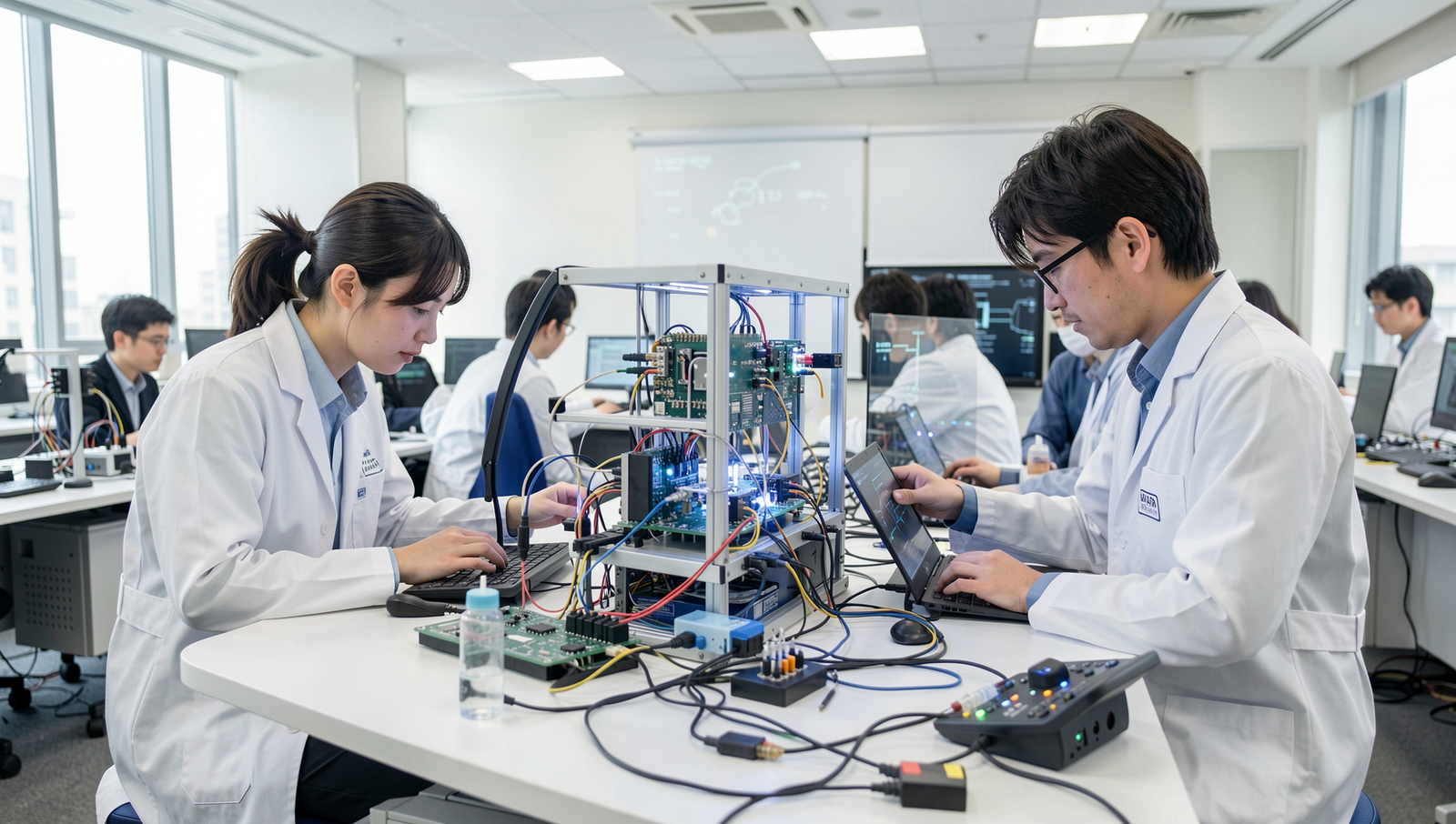
Japan has emerged as a significant player in the field of quantum computing, with various academic and research institutions leading the charge. Notable universities such as the University of Tokyo, Kyoto University, and Osaka University are at the forefront of quantum research, each contributing unique strengths and expertise to the development of next-generation quantum technologies.
The University of Tokyo, for instance, has established a dedicated Quantum Computing Research Center, focusing on both theoretical and experimental aspects of quantum mechanics. Their work includes developing quantum algorithms that could revolutionize fields like cryptography and materials science. Similarly, Kyoto University is known for its pioneering research in quantum information theory, which lays the groundwork for practical applications in quantum computing.
Collaboration among these institutions is also a hallmark of Japan’s approach to quantum research. Joint projects often bring together the brightest minds from different universities, fostering innovation and accelerating progress. For example, the Quantum Computing Consortium, which includes multiple universities and private sector partners, aims to create a robust ecosystem for quantum technology development. This collaborative effort not only enhances research capabilities but also promotes the sharing of resources and knowledge.
- Notable Breakthroughs: Researchers at Osaka University recently achieved a significant milestone by demonstrating a quantum error correction technique that could enhance the reliability of quantum computations.
- Contributions to Quantum Algorithms: The University of Tokyo has published influential papers on quantum algorithms that optimize complex problem-solving processes, showcasing Japan’s intellectual contributions to the global quantum community.
The role of academia in advancing quantum technology cannot be overstated. By nurturing talent and fostering interdisciplinary collaboration, Japanese universities are not only pushing the boundaries of quantum research but also preparing the next generation of scientists and engineers to tackle the challenges of tomorrow. As Japan continues to invest in quantum computing, its academic institutions will remain pivotal in shaping the future of this transformative technology.
Industry Applications and Future Prospects
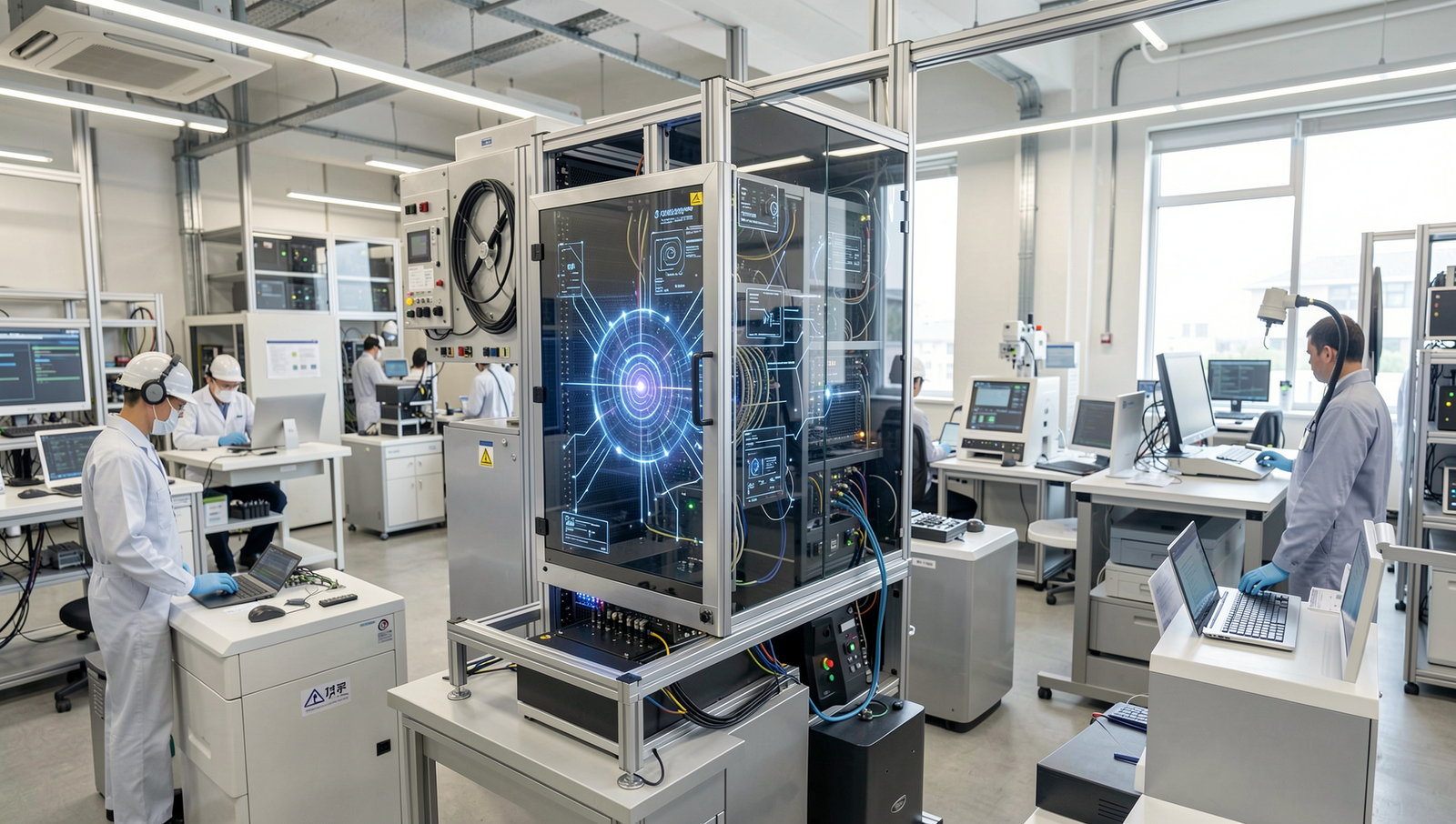
Japan Quantum Computing is at the forefront of technological advancements, with current applications spanning various sectors such as finance, pharmaceuticals, and logistics. In finance, quantum computing is being utilized for risk analysis and portfolio optimization, allowing firms to process vast amounts of data more efficiently than classical computers. For instance, major banks are exploring quantum algorithms to enhance their trading strategies and improve fraud detection systems.
In the pharmaceutical industry, quantum computing holds the potential to revolutionize drug discovery. By simulating molecular interactions at an unprecedented scale, researchers can identify promising drug candidates much faster than traditional methods. Companies like Fujitsu are already collaborating with pharmaceutical giants to leverage quantum technology for accelerated research and development.
Logistics is another sector where quantum computing is making strides. Companies are using quantum algorithms to optimize supply chain management, improving delivery times and reducing costs. For example, logistics firms are experimenting with quantum solutions to solve complex routing problems, which can lead to significant operational efficiencies.
Looking ahead, the potential future applications of quantum computing are vast. Industries such as energy, telecommunications, and artificial intelligence could see transformative changes. For instance, quantum computing could enable breakthroughs in materials science, leading to the development of new energy storage solutions that are more efficient and sustainable.
- Enhanced machine learning capabilities
- Improved climate modeling and simulations
- Advanced cryptography for secure communications
However, the adoption of quantum computing is not without challenges. Issues such as high costs, the need for specialized talent, and the complexity of integrating quantum systems with existing infrastructure pose significant hurdles. Despite these challenges, Japan is poised to play a crucial role in the global quantum race, with government initiatives and investments aimed at fostering innovation and collaboration among academia and industry.
As Japan continues to develop its quantum capabilities, it is likely to emerge as a leader in this transformative technology, influencing global standards and practices in the years to come.
Conclusion
Japan Quantum Computing stands at the forefront of a technological revolution that promises to redefine the landscape of computing. With significant investments from both the government and private sectors, Japan is developing advanced quantum technologies that could lead to breakthroughs in various fields, including cryptography, materials science, and complex system simulations. The nation’s commitment to fostering innovation through collaboration among universities, research institutions, and industry players is crucial in maintaining its competitive edge in this global race.
As Japan continues to advance its quantum computing capabilities, the next steps involve enhancing research initiatives and expanding international partnerships. By focusing on practical applications and addressing the challenges of scalability and error correction, Japan can leverage its strengths to become a leader in the quantum computing arena. The benefits of these advancements will not only bolster Japan’s economy but also contribute to global technological progress, paving the way for a future where quantum computing plays a pivotal role in solving some of the world’s most pressing challenges.
Real-World Examples
Japan is making significant strides in the field of quantum computing, with various organizations and institutions actively working on practical applications that could revolutionize multiple industries. One notable example is the collaboration between the University of Tokyo and Fujitsu, which has been focused on developing quantum algorithms aimed at optimizing logistics and supply chain management. By leveraging quantum computing’s ability to process vast amounts of data simultaneously, they aim to create solutions that can significantly reduce costs and improve efficiency in transportation and inventory management.
Another exciting initiative is the partnership between RIKEN, a leading research institute in Japan, and several private companies. This collaboration is exploring quantum machine learning, which combines quantum computing with artificial intelligence. The goal is to enhance data analysis capabilities in fields such as healthcare, where it can be used to analyze complex biological data for drug discovery and personalized medicine. The potential to identify patterns and correlations that classical computers might miss could lead to groundbreaking advancements in medical treatments.
In the financial sector, companies like Mitsubishi UFJ Financial Group are investigating how quantum computing can optimize risk assessment and portfolio management. By simulating various market scenarios at unprecedented speeds, they hope to make more informed investment decisions and better manage financial risks.
Moreover, Japan’s commitment to quantum cryptography is evident in the work being done by the National Institute of Information and Communications Technology (NICT). They are developing secure communication systems that utilize quantum key distribution (QKD) to ensure data privacy and security, which is crucial in an era where cyber threats are increasingly sophisticated.
These examples illustrate Japan’s proactive approach to harnessing quantum computing technology for real-world applications, showcasing its potential to transform industries and improve everyday life. As research and development continue to progress, the impact of Japan’s efforts in quantum computing will likely be felt across the globe.
Frequently Asked Questions
What is quantum computing?
Quantum computing is a revolutionary technology that
About the Author