Japan Hydrogen Energy: The Future of Clean Transportation

Exploring Japan's hydrogen energy for clean transportation.
8 min read • 1,634 words
Table of Contents
ToggleJapan Hydrogen Energy: The Future of Clean Transportation
Japan is at the forefront of the global shift towards sustainable energy solutions, with a strong focus on hydrogen as a key component of its future energy landscape. The nation’s ambitious goal to become a hydrogen society by 2030 underscores the importance of hydrogen energy in reducing greenhouse gas emissions and promoting clean transportation. This article will explore Japan’s national hydrogen strategy, which emphasizes the development of infrastructure necessary for hydrogen production and distribution, as well as the role of hydrogen fuel cell vehicles (FCVs) in achieving these objectives.
Readers will learn about the significant investments Japan is making in hydrogen production technologies, such as electrolysis and steam methane reforming, and how leading manufacturers like Toyota and Honda are pioneering the development of hydrogen fuel cell vehicles. With models like the Toyota Mirai and Honda Clarity, Japan is setting a global standard for clean transportation, paving the way for a sustainable future.

Hydrogen Production Methods
Japan is at the forefront of exploring hydrogen energy as a clean transportation solution. To harness this potential, various hydrogen production methods are being evaluated. The most common methods include steam methane reforming, electrolysis, and biomass gasification. Each of these methods has its own advantages and disadvantages, particularly in the context of Japan’s energy landscape.
- Steam Methane Reforming (SMR): This method involves reacting natural gas with steam to produce hydrogen. It is currently the most widely used method globally due to its cost-effectiveness and efficiency. However, it relies on fossil fuels, which raises concerns about carbon emissions.
- Electrolysis: This process uses electricity to split water into hydrogen and oxygen. When powered by renewable energy sources, such as solar or wind, electrolysis can produce green hydrogen with minimal environmental impact. The main drawback is the high cost of electricity and the current inefficiency of the technology.
- Biomass Gasification: This method converts organic materials into hydrogen through a thermal process. It offers a renewable option that can utilize Japan’s agricultural waste. However, the technology is still developing, and scaling it up for widespread use presents challenges.
In Japan, the potential for renewable hydrogen production is significant. The country has abundant renewable resources, including solar and wind energy, which can be harnessed for electrolysis. Additionally, Japan’s commitment to reducing greenhouse gas emissions aligns well with the development of sustainable hydrogen production methods. As the nation continues to innovate in this field, the integration of these methods into its energy strategy will be crucial for achieving a cleaner transportation future.

Hydrogen Infrastructure Development
Japan is at the forefront of hydrogen energy development, particularly in the realm of clean transportation. As of now, there are over 160 hydrogen refueling stations operational across the country, primarily concentrated in urban areas such as Tokyo and Osaka. This network is crucial for supporting the growing number of hydrogen fuel cell vehicles (FCVs) on the roads, which have seen a steady increase in adoption since their introduction.
However, the development of a comprehensive hydrogen infrastructure faces several challenges. One significant hurdle is the high cost associated with building and maintaining hydrogen refueling stations. Unlike traditional fuel stations, hydrogen stations require specialized equipment and safety measures, which can deter investment. Additionally, the geographic distribution of these stations is uneven, making it difficult for consumers in rural areas to access hydrogen fuel. This disparity can hinder the widespread adoption of hydrogen vehicles.
To address these challenges, Japan has seen a rise in public-private partnerships aimed at expanding hydrogen infrastructure. Companies like Toyota and Honda are collaborating with government entities to invest in new refueling stations and technology development. For instance, the “Hydrogen Highway” initiative aims to create a network of refueling stations along major highways, facilitating long-distance travel for hydrogen vehicles.
- Public funding initiatives to support station construction.
- Collaborations between automotive manufacturers and energy companies.
- Research and development projects to reduce costs and improve technology.
Looking ahead, Japan has ambitious plans for the future of its hydrogen infrastructure. The government aims to increase the number of hydrogen refueling stations to over 1,000 by 2030, significantly enhancing accessibility for consumers. This expansion is expected to play a vital role in achieving Japan’s long-term goals for reducing carbon emissions and promoting sustainable transportation solutions.

Conclusion
Japan Hydrogen Energy represents a pivotal shift towards sustainable transportation solutions. By investing in hydrogen technology, Japan aims to reduce its carbon footprint and enhance energy security. The benefits of hydrogen as a clean fuel source are manifold; it produces zero emissions when used in fuel cells, offers a high energy density, and can be produced from various renewable sources. This transition not only aligns with global climate goals but also positions Japan as a leader in the hydrogen economy, fostering innovation and creating job opportunities in the sector.
Looking ahead, the next steps for Japan Hydrogen Energy involve scaling up infrastructure, such as hydrogen refueling stations, and enhancing public awareness about the benefits of hydrogen vehicles. Collaborations between government, industry, and research institutions will be crucial in overcoming technical and economic challenges. With a comprehensive strategy, Japan can fully harness the potential of hydrogen energy, paving the way for a cleaner, more sustainable future in transportation.
Real-World Examples
Japan has been at the forefront of hydrogen energy development, showcasing numerous real-world applications that highlight its potential as a clean transportation solution. The country’s commitment to hydrogen as a key component of its energy strategy is evident in various projects and initiatives that have emerged over the years. These examples not only illustrate the practicality of hydrogen energy but also serve as a model for other nations looking to transition to cleaner energy sources.
One of the most prominent examples of Japan’s hydrogen energy initiative is the development of hydrogen fuel cell vehicles (FCVs). The Toyota Mirai, launched in 2014, is one of the world’s first mass-produced hydrogen-powered cars. The Mirai utilizes hydrogen to generate electricity, emitting only water vapor as a byproduct. This vehicle has gained popularity in Japan, where the government has invested heavily in building a network of hydrogen refueling stations. As of 2023, there are over 160 hydrogen stations across the country, making it easier for FCV owners to refuel and encouraging more consumers to consider hydrogen vehicles.
In addition to passenger vehicles, Japan is also exploring hydrogen energy for public transportation. The city of Fukuoka has introduced hydrogen-powered buses, which operate on routes throughout the city. These buses not only reduce greenhouse gas emissions but also demonstrate the feasibility of hydrogen technology in urban settings. The success of these buses has prompted other cities to consider similar initiatives, showcasing the potential for hydrogen to revolutionize public transport.
Another significant project is the establishment of hydrogen supply chains. The Fukushima Hydrogen Energy Research Field (FH2R) is a pioneering facility that produces hydrogen using renewable energy sources, specifically solar power. This facility can generate up to 1,200 tons of hydrogen annually, which can be used for various applications, including transportation. The hydrogen produced at FH2R is not only used locally but is also being tested for export, showcasing Japan’s ambition to become a global leader in hydrogen technology.
Moreover, Japan is actively involved in international collaborations to promote hydrogen energy. The country has partnered with Australia to develop a hydrogen export project, which aims to produce hydrogen from brown coal and ship it to Japan. This project is significant as it not only addresses Japan’s energy needs but also fosters international cooperation in the hydrogen sector. Such partnerships are crucial for scaling up hydrogen production and distribution, ultimately making it a viable alternative to fossil fuels.
In the industrial sector, hydrogen is being utilized in various applications, including steel manufacturing. Companies like JFE Steel are experimenting with hydrogen as a reducing agent in the steel-making process, which traditionally relies on carbon. By integrating hydrogen into their operations, these companies aim to significantly reduce carbon emissions, aligning with Japan’s commitment to achieving carbon neutrality by 2050.
Additionally, Japan is exploring hydrogen’s potential in the maritime industry. The development of hydrogen-powered ships is underway, with several prototypes being tested. These vessels aim to reduce emissions from shipping, which is a significant contributor to global greenhouse gas emissions. The introduction of hydrogen fuel in maritime transport could transform the industry, making it more sustainable and environmentally friendly.
In conclusion, Japan’s hydrogen energy initiatives are not just theoretical; they are being implemented in various sectors, demonstrating the practicality and potential of hydrogen as a clean transportation solution. From passenger vehicles to public transportation, industrial applications, and international collaborations, Japan is paving the way for a hydrogen-powered future. As these real-world examples continue to evolve, they provide valuable insights and inspiration for other nations aiming to embrace hydrogen energy as part of their clean transportation strategies.
Frequently Asked Questions

What is hydrogen energy?
Hydrogen energy refers to the use of hydrogen as a clean fuel source. When hydrogen is burned or used in fuel cells, it produces only water vapor as a byproduct, making it an environmentally friendly alternative to fossil fuels.
How does hydrogen fuel work in transportation?
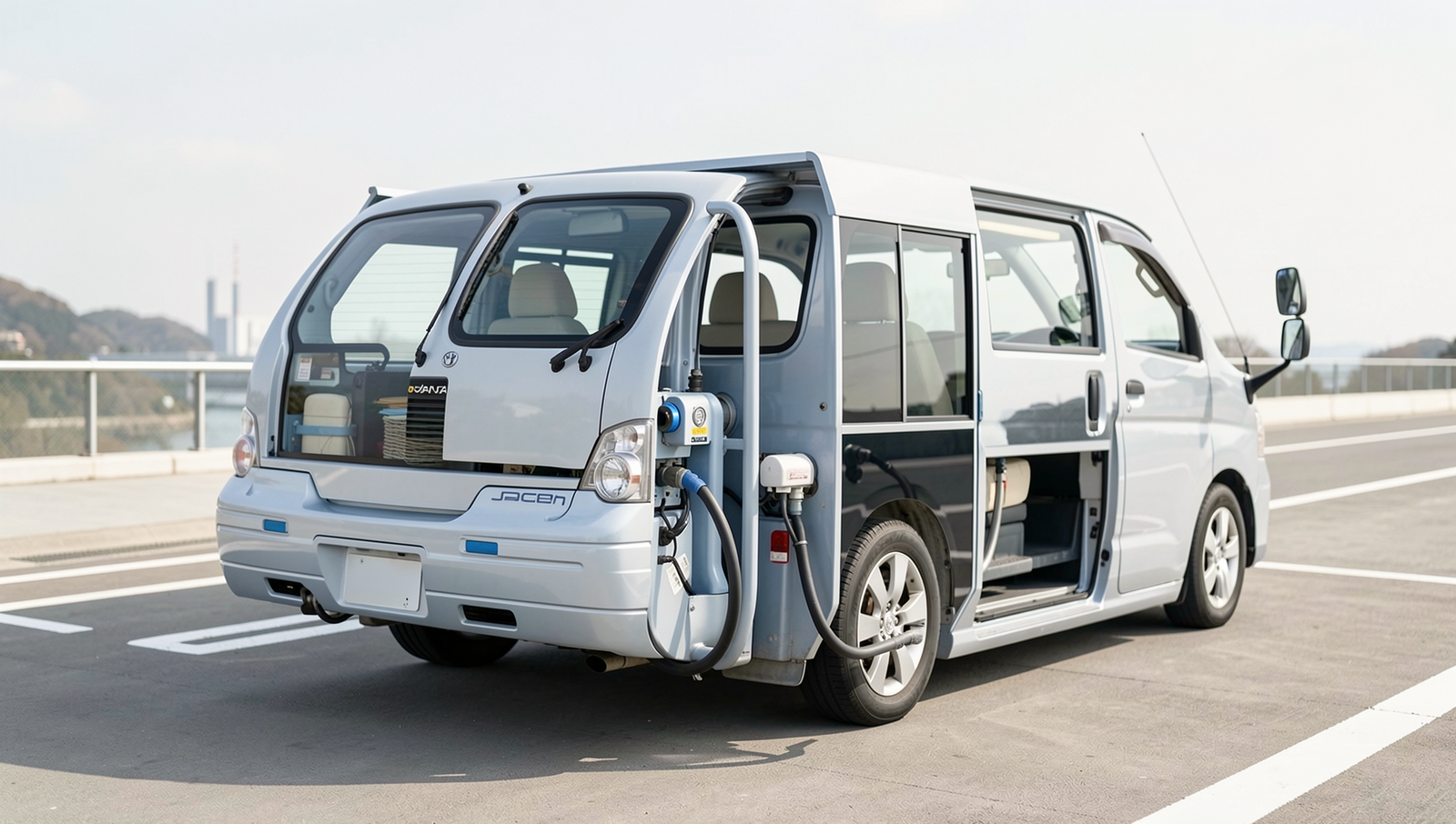
In transportation, hydrogen fuel is typically used in fuel cell vehicles. These vehicles convert hydrogen gas into electricity through a chemical reaction, which powers an electric motor, providing an efficient and clean means of transportation without harmful emissions.
What are the benefits of hydrogen transportation?
Hydrogen transportation offers numerous benefits, including reduced greenhouse gas emissions, improved air quality, and decreased reliance on fossil fuels. Additionally, hydrogen fuel cells can provide longer ranges and faster refueling times compared to traditional electric vehicles.
Is hydrogen energy sustainable?
Hydrogen energy can
About the Author