Japan Bullet Train Technology: What Makes Shinkansen So Fast
Exploring the speed and technology of Japan's Shinkansen.
8 min read • 1,642 words
Table of Contents
ToggleJapan Bullet Train Technology: What Makes Shinkansen So Fast
The Japan Bullet Train Technology, epitomized by the Shinkansen, represents a remarkable achievement in modern transportation. With the ability to reach speeds of up to 320 km/h (200 mph), these trains have revolutionized travel across Japan, making it faster and more efficient than ever before. This article delves into the innovative features that contribute to the Shinkansen’s impressive speed and reliability, highlighting the significance of such advancements in the context of global transportation.
Readers will discover how the gentle curves of Shinkansen tracks are meticulously designed to maintain high speeds safely, while the aerodynamic shape of the trains minimizes air resistance. Additionally, the advanced braking systems enable rapid deceleration, ensuring passenger safety without sacrificing speed. By utilizing dedicated tracks, the Shinkansen minimizes delays, further enhancing travel times and solidifying its status as a symbol of cutting-edge technology in rail transport.
Introduction to Shinkansen Technology
The Shinkansen, commonly known as the bullet train, is a high-speed rail system that has revolutionized transportation in Japan. Launched in 1964, just in time for the Tokyo Olympics, the Shinkansen has become a symbol of Japan Bullet Train Technology, showcasing the nation’s commitment to innovation and efficiency. This advanced rail system connects major cities across the country, significantly reducing travel times and enhancing accessibility.
Historically, the development of bullet train technology began in the post-World War II era when Japan faced the challenge of rebuilding its infrastructure. The first line, the Tōkaidō Shinkansen, was constructed to link Tokyo and Osaka, a distance of approximately 515 kilometers. The success of this initial line paved the way for the expansion of the Shinkansen network, which now spans over 3,000 kilometers and includes multiple lines that serve various regions.
When comparing the Shinkansen to conventional trains, several key differences emerge:
- Speed: Shinkansen trains can reach speeds of up to 320 km/h, while conventional trains typically operate at speeds around 100-160 km/h.
- Technology: The Shinkansen employs advanced technologies such as aerodynamic designs, magnetic levitation, and sophisticated signaling systems.
- Safety: The Shinkansen boasts an impressive safety record, with no fatalities due to accidents since its inception.
The impact of the Shinkansen on the Japanese economy and society is profound. It has not only facilitated business travel but also boosted tourism, allowing visitors to explore the country efficiently. Additionally, the Shinkansen has contributed to regional development, as cities along the routes have experienced economic growth due to improved connectivity. Overall, Japan Bullet Train Technology exemplifies how innovation in transportation can transform a nation.
Engineering Innovations Behind Speed
The Japan Bullet Train Technology, particularly the Shinkansen, is renowned for its remarkable speed and efficiency. Several engineering innovations contribute to the impressive performance of these trains, making them a marvel of modern transportation.
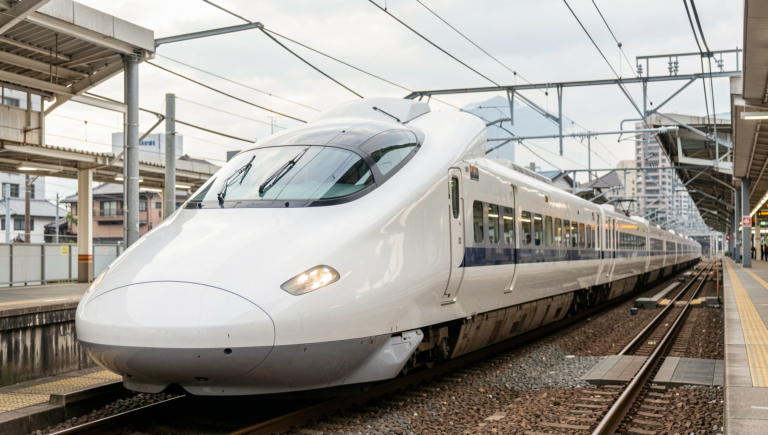
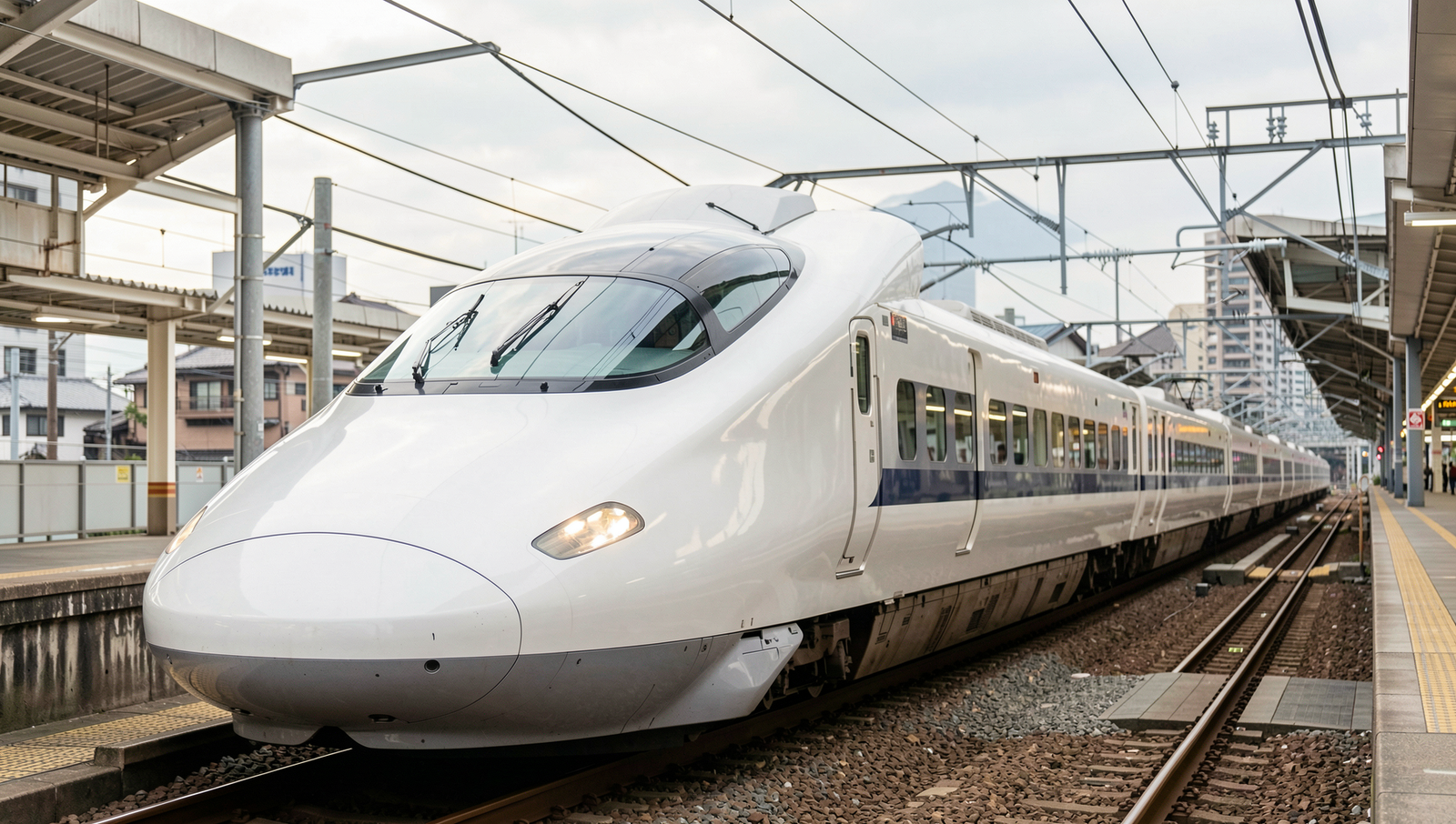
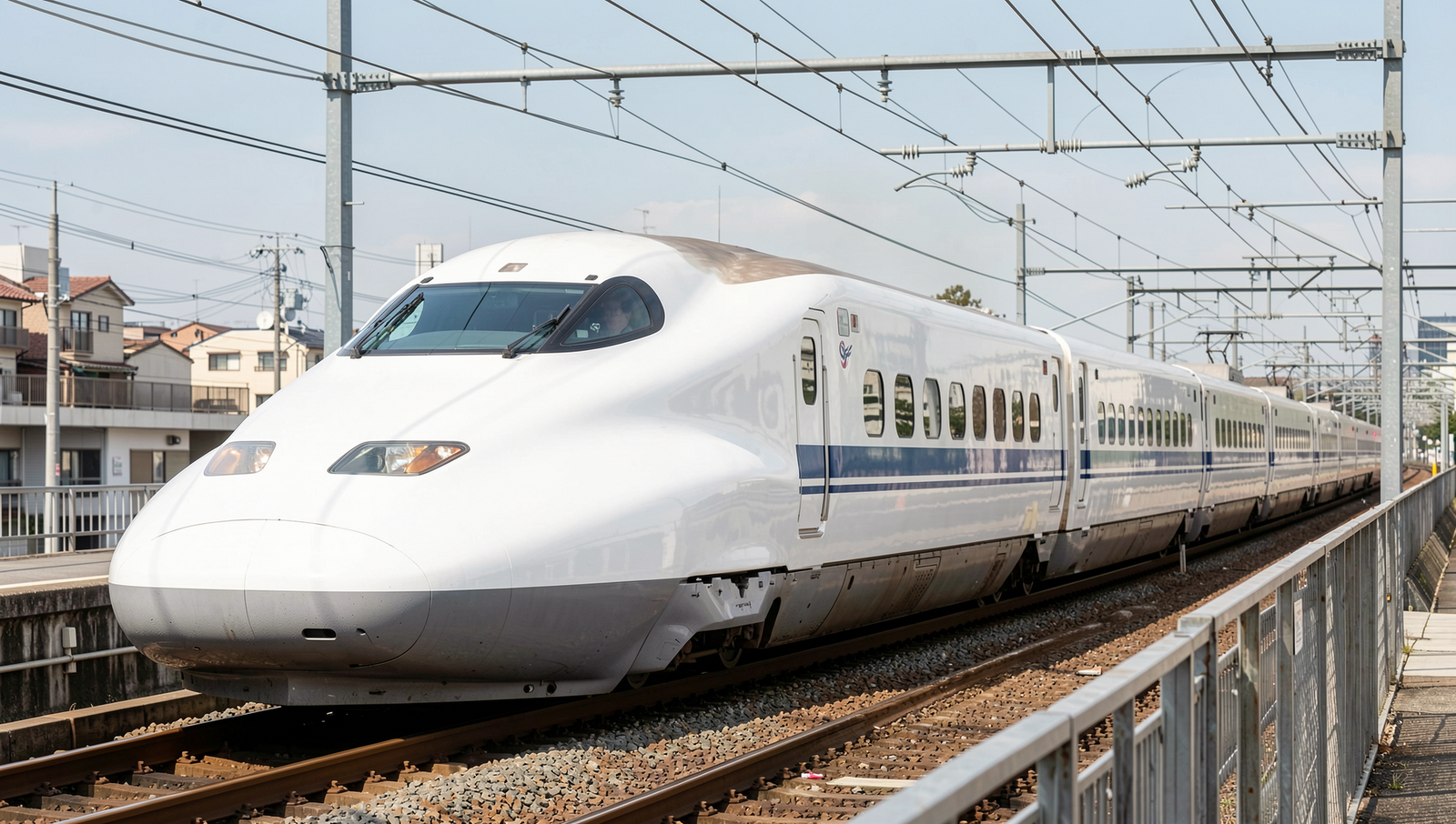
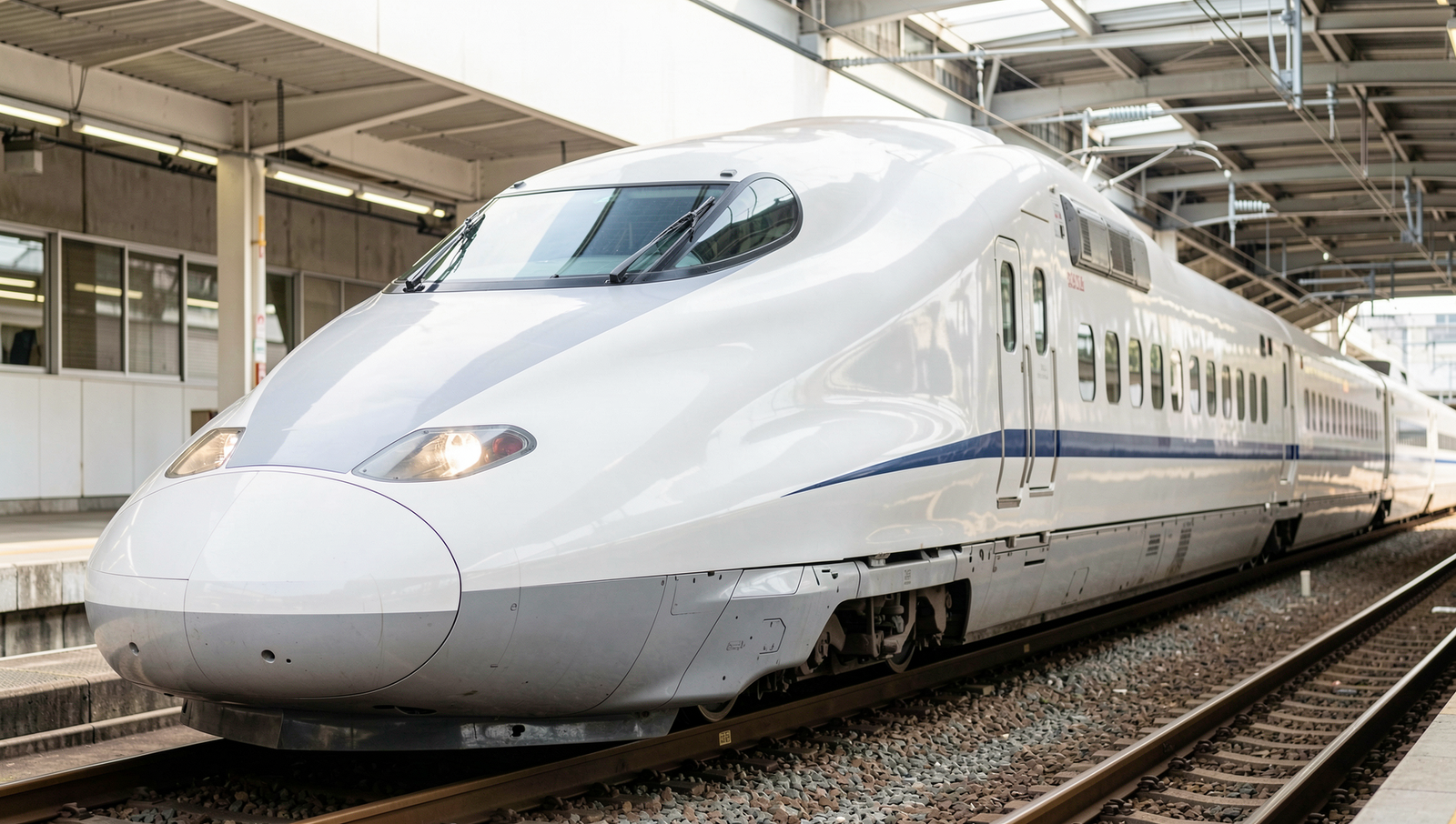
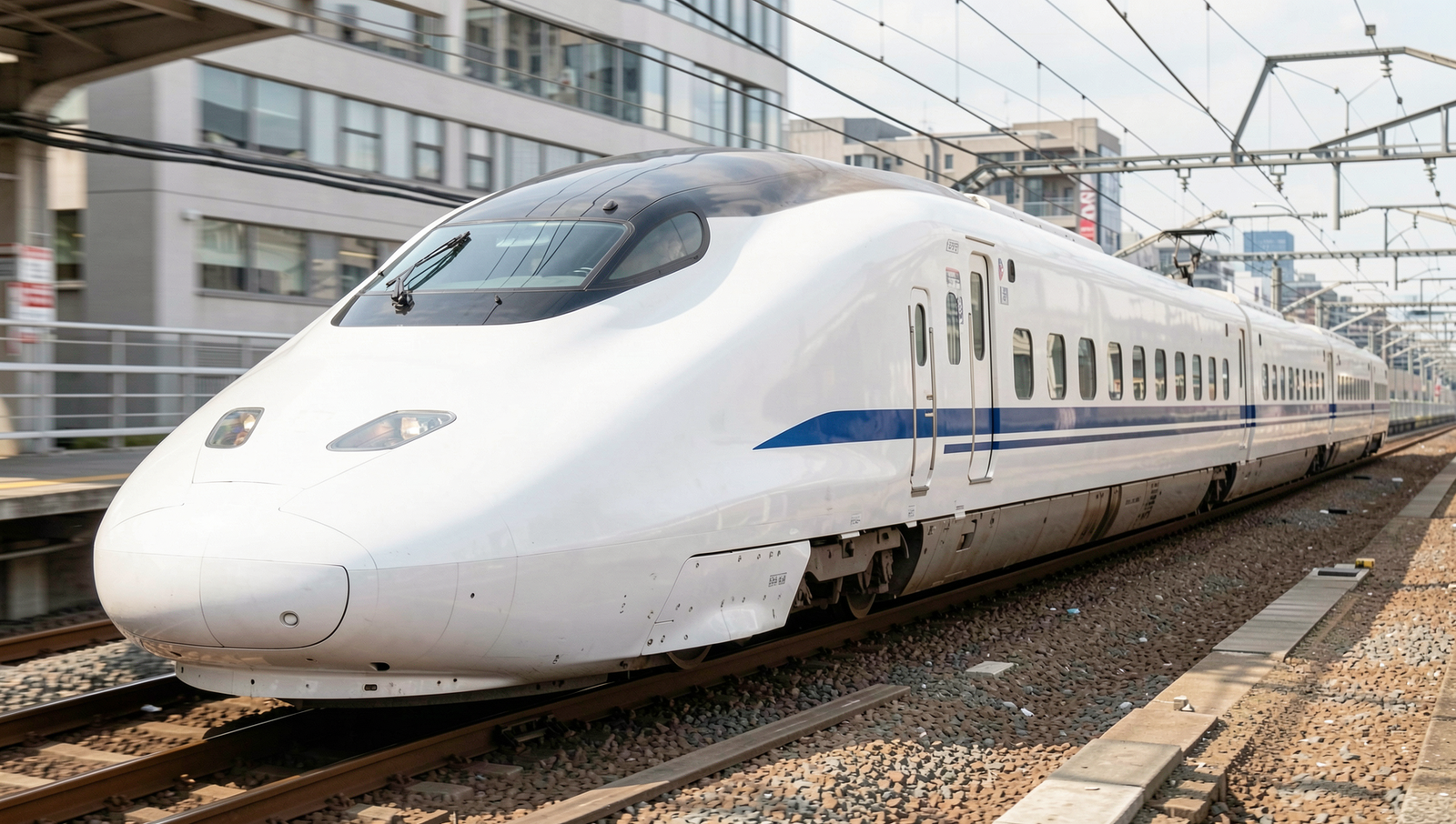
One of the primary factors influencing the speed of Shinkansen trains is their aerodynamic design. The sleek, elongated shape reduces air resistance, allowing the trains to slice through the atmosphere with minimal drag. Features such as the pointed nose of the train are specifically engineered to minimize turbulence, which is crucial at high speeds. For example, the latest models, like the N700 series, have been designed with a streamlined front that enhances aerodynamics while also reducing noise levels, particularly when entering tunnels.
In addition to aerodynamic design, the materials used in the construction of Shinkansen trains play a significant role in their speed capabilities. Lightweight yet strong materials such as aluminum and advanced composites are employed to reduce the overall weight of the trains. This reduction in weight allows for faster acceleration and improved energy efficiency, which is essential for maintaining high speeds over long distances.
Track design and maintenance are also critical components of Japan Bullet Train Technology. The tracks are built with precision to ensure a smooth and stable ride. They are elevated on viaducts or embankments, minimizing friction and allowing for higher speeds. Regular maintenance checks ensure that the tracks remain in optimal condition, preventing any potential disruptions during travel.
- Signaling systems enhance safety and efficiency, allowing for precise control of train movements.
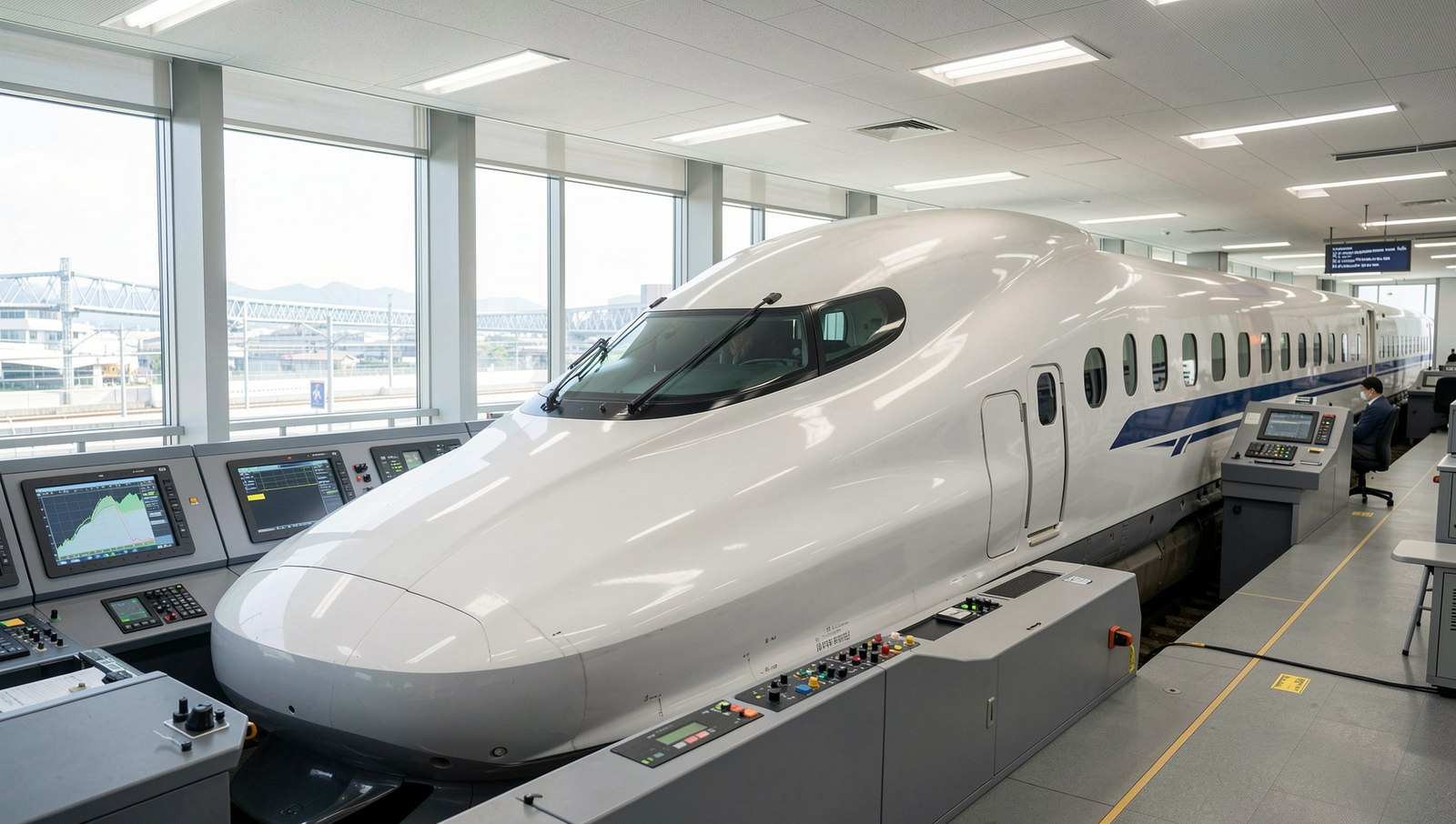
- Advanced technology enables real-time monitoring of train speed and track conditions.
- Automated systems help prevent collisions and manage train schedules effectively.
These engineering innovations collectively contribute to the Shinkansen’s reputation as one of the fastest and safest train systems in the world, showcasing the pinnacle of Japan Bullet Train Technology.
Operational Efficiency and Safety Measures
The operational efficiency of Japan’s Shinkansen, or bullet train, is a result of meticulous scheduling and high-frequency services. Trains typically run every few minutes during peak hours, ensuring that passengers experience minimal wait times. For instance, the Tōkaidō Shinkansen, which connects Tokyo and Osaka, operates up to 13 trains per hour. This frequency not only maximizes passenger capacity but also enhances the overall reliability of the service.
Safety is paramount in Japan Bullet Train Technology, and numerous protocols and technologies are in place to maintain it. The Shinkansen employs advanced signaling systems that allow for precise control of train movements. These systems are designed to prevent collisions and ensure safe distances between trains. Additionally, the trains are equipped with earthquake detection systems that can automatically halt operations if seismic activity is detected, minimizing the risk of accidents during such events.
- Emergency Response Systems: Shinkansen staff undergo rigorous training to handle emergencies effectively. Regular drills are conducted to prepare for various scenarios, including medical emergencies and natural disasters.
- Weather Considerations: The trains are designed to operate in various weather conditions, including heavy rain and snow. Special measures, such as snow removal systems and wind resistance designs, help maintain safety and efficiency.
- Geographical Challenges: Japan’s diverse terrain, including mountains and tunnels, poses unique challenges. The Shinkansen’s engineering incorporates solutions like viaducts and tunnels to ensure smooth travel across these landscapes.
In summary, the combination of frequent scheduling, advanced safety technologies, comprehensive emergency training, and adaptations to geographical and weather challenges contributes to the remarkable operational efficiency and safety of the Shinkansen system.
Future Developments and Global Influence
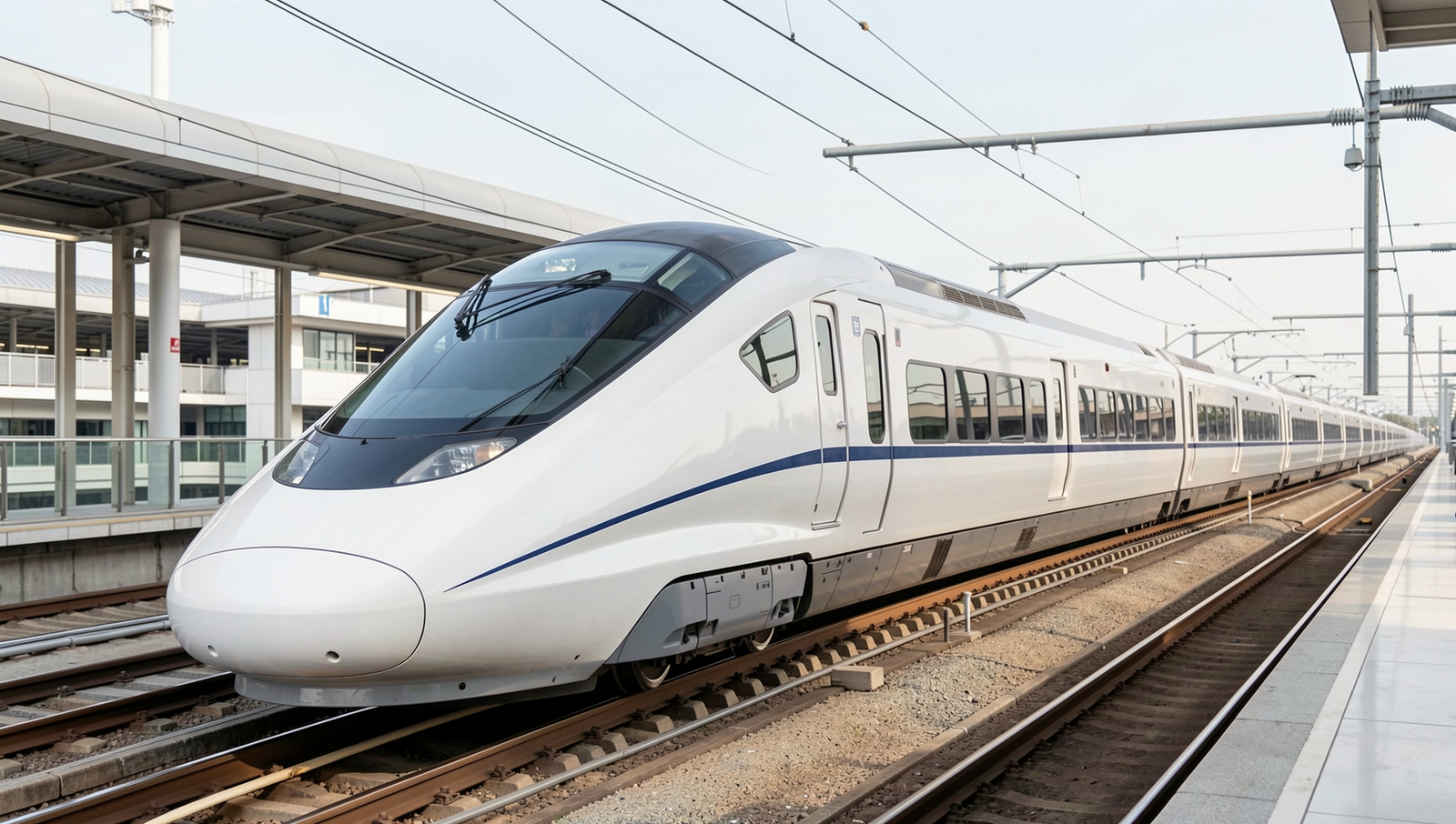
The Japan Bullet Train Technology, particularly the Shinkansen, continues to evolve with several upcoming advancements aimed at enhancing speed, efficiency, and safety. One of the most anticipated developments is the introduction of the next-generation Shinkansen, known as the N700S series, which is designed to reach speeds of up to 360 km/h (224 mph). This new model incorporates advanced aerodynamics and lightweight materials, significantly reducing energy consumption while maintaining high performance.
International collaborations have become a focal point for Japan’s Shinkansen technology. Countries such as the United States, India, and the United Kingdom are exploring partnerships to implement high-speed rail systems inspired by the Shinkansen model. For example, the California High-Speed Rail project aims to connect major cities across the state, drawing on Japan’s expertise in high-speed rail technology. Similarly, India is working with Japan to develop its own high-speed rail corridor between Mumbai and Ahmedabad, showcasing the global influence of Shinkansen technology.
- Potential for High-Speed Rail: Many countries are recognizing the benefits of high-speed rail as a sustainable and efficient mode of transportation. Nations like France, Spain, and China have already established successful systems, and others are looking to replicate this success.
- Sustainability Initiatives: Japan is committed to reducing the environmental impact of its rail systems. The Shinkansen operates on electricity, with a significant portion generated from renewable sources, contributing to lower carbon emissions.
- Environmental Considerations: Innovations such as regenerative braking systems and energy-efficient train designs are being prioritized to ensure that the Shinkansen remains a leader in sustainable transportation.
As Japan continues to refine its Bullet Train Technology, the Shinkansen not only sets the standard for high-speed rail but also serves as a model for future transportation systems worldwide, emphasizing the importance of sustainability and efficiency in modern travel.
Conclusion
Japan Bullet Train Technology, epitomized by the Shinkansen, represents a remarkable achievement in modern transportation. The Shinkansen’s speed, which can exceed 300 kilometers per hour, is made possible by advanced engineering, aerodynamic design, and dedicated tracks that minimize friction and obstacles. These features not only enhance travel efficiency but also ensure safety and punctuality, making the Shinkansen a model for high-speed rail systems worldwide. The integration of cutting-edge technology, such as magnetic levitation in newer models, further pushes the boundaries of speed and comfort.
Looking ahead, the continued evolution of Japan Bullet Train Technology promises to address future transportation challenges. As urban populations grow and environmental concerns mount, high-speed rail offers a sustainable alternative to air travel and road transport. Investments in research and infrastructure will be crucial to expanding this technology globally, fostering international collaborations, and inspiring other nations to adopt similar systems. Ultimately, the Shinkansen not only transforms travel in Japan but also sets a benchmark for future innovations in rail transport worldwide.
Frequently Asked Questions
What is the Shinkansen?
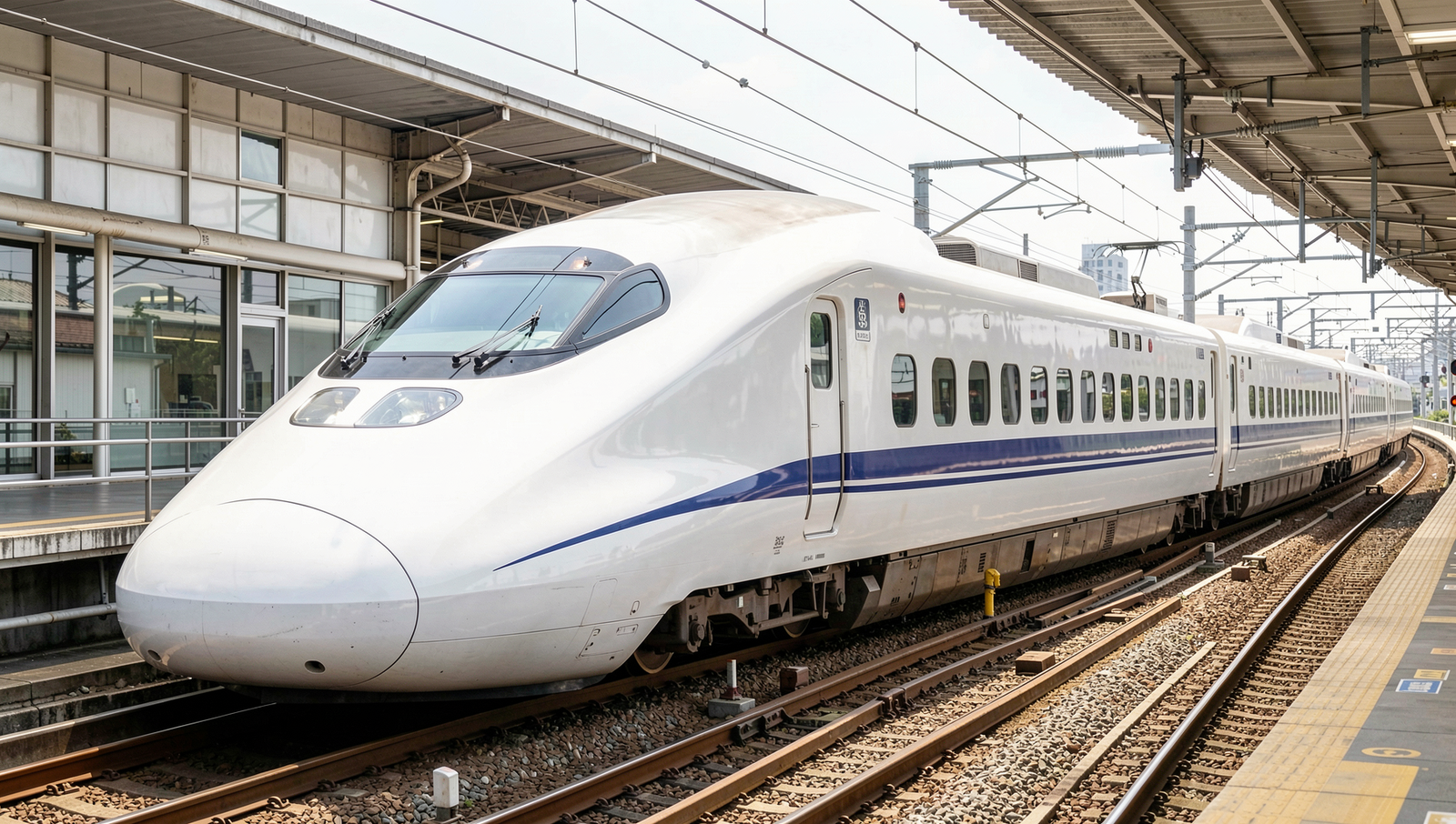
The Shinkansen, also known as the “bullet train,” is Japan’s high-speed rail network that connects major cities across the country. It is renowned for its punctuality, safety, and efficiency, making it a popular choice for both commuters and tourists.
How fast can the Shinkansen travel?
The Shinkansen can reach speeds of up to 320 kilometers per hour (approximately 200 miles per hour) on certain lines. This incredible speed allows passengers to travel long distances in a fraction of the time compared to conventional trains or cars.
What technology enables the Shinkansen to be so fast?
Advanced technology, including aerodynamic train designs, powerful electric engines, and dedicated tracks, enables the Shinkansen to achieve its high speeds. Additionally, sophisticated signaling systems ensure safe and efficient operation, minimizing delays and maximizing performance.
Are there different types of Shinkansen trains?
Yes, there are several types of
About the Author