Japan 3D Printing: Industries Adopting Advanced Manufacturing
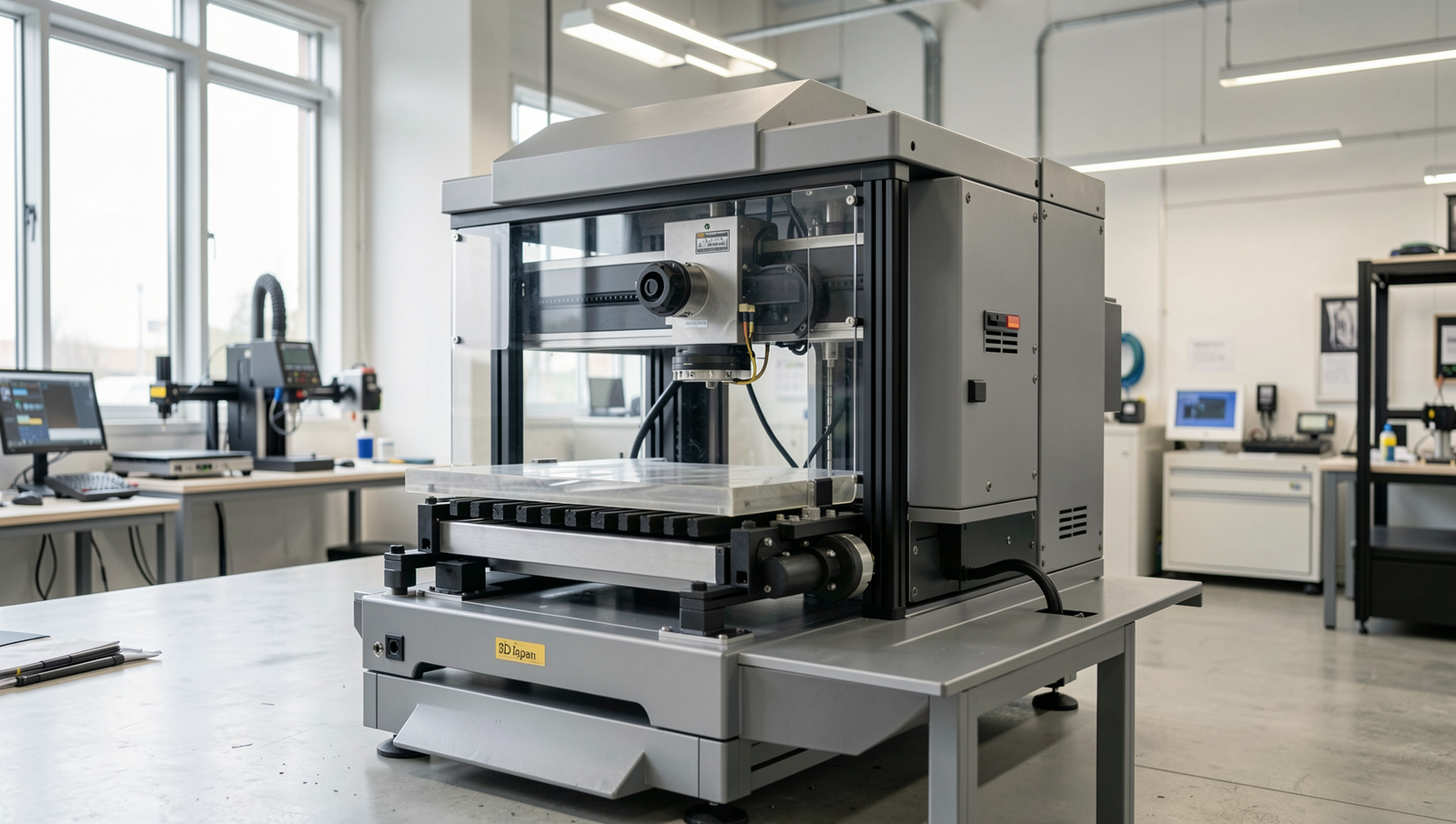
Exploring Japan's adoption of advanced 3D printing in manufacturing.
8 min read • 1,635 words
Table of Contents
ToggleJapan 3D Printing: Industries Adopting Advanced Manufacturing
Japan’s 3D printing market is on the verge of significant expansion, with various industries recognizing the transformative potential of this advanced manufacturing technology. Major players like Toyota and Honda are leading the charge, investing heavily in 3D printing for both prototyping and production purposes. This shift not only enhances efficiency but also allows for greater customization in automotive design, which is crucial in today’s competitive market.
Moreover, the healthcare sector in Japan is increasingly adopting 3D printing for creating custom prosthetics and dental applications, showcasing the technology’s versatility and impact on improving patient outcomes. The Japanese government is also backing these initiatives as part of its ‘Society 5.0’ vision, aiming to integrate advanced technologies into everyday life. Readers will learn about the key industries embracing Japan 3D printing, the innovations driving this growth, and the implications for the future of manufacturing in Japan.
Overview of 3D Printing in Japan
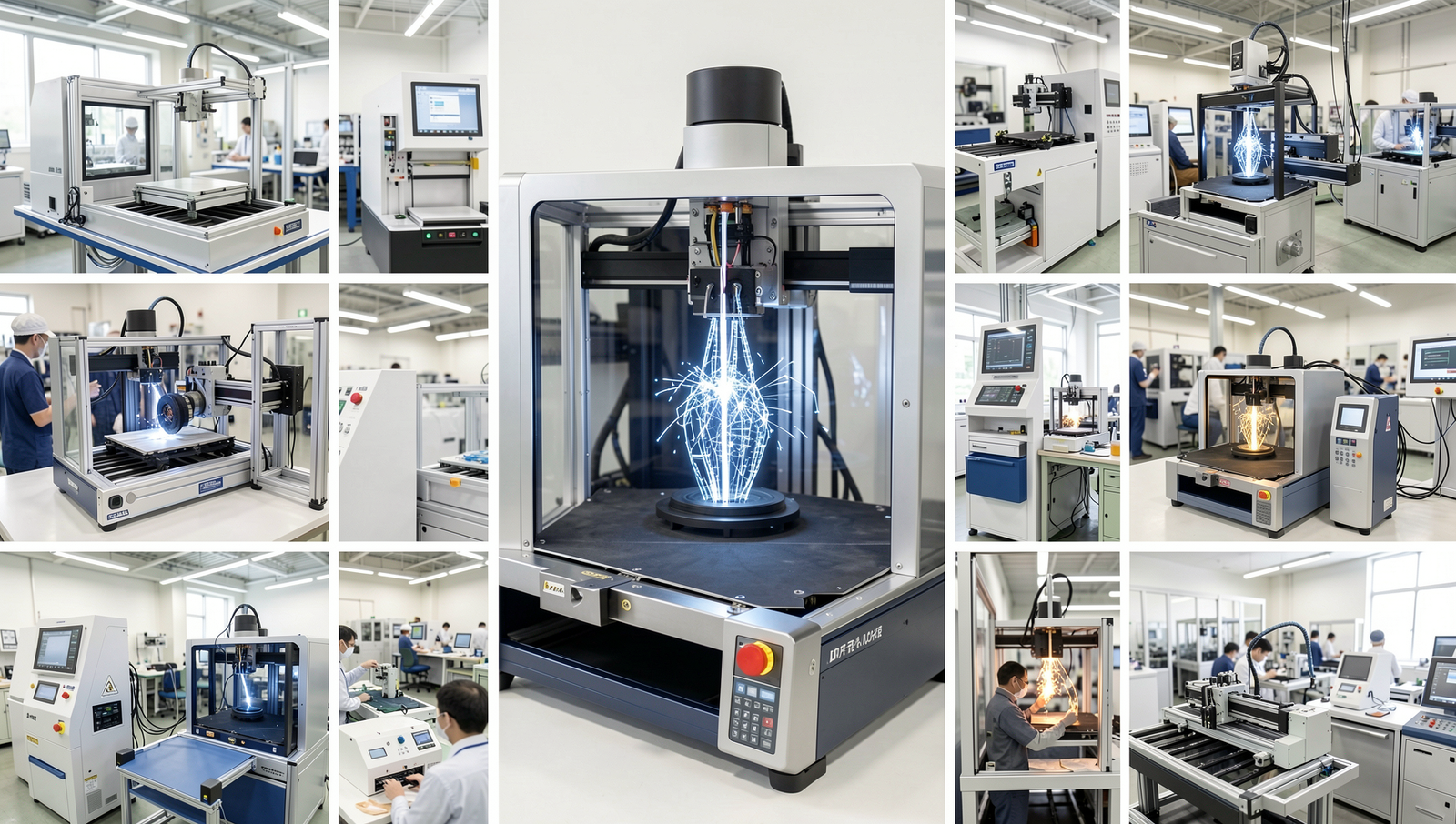
Japan has a rich history of technological innovation, and 3D printing is no exception. The technology first gained traction in the country during the 1990s, with early adopters exploring its potential in prototyping and manufacturing. Over the years, Japan has evolved into a significant player in the global 3D printing market, driven by its strong engineering capabilities and a culture of precision manufacturing. The introduction of advanced materials and techniques has further propelled the adoption of 3D printing across various industries.
As of 2023, the Japan 3D printing market is estimated to be worth approximately $1.5 billion, with projections indicating a compound annual growth rate (CAGR) of around 15% over the next five years. This growth is fueled by increasing demand for customized products, rapid prototyping, and the need for cost-effective manufacturing solutions. Industries such as automotive, aerospace, healthcare, and consumer goods are leading the charge in adopting 3D printing technologies.
- Key Players: Major companies such as Stratasys, 3D Systems, and local firms like Fujifilm and Hitachi are at the forefront of the Japan 3D printing sector. These companies are investing heavily in research and development to enhance their offerings.
- Government Initiatives: The Japanese government has recognized the potential of 3D printing and is actively supporting the industry through various initiatives. Programs aimed at fostering innovation and collaboration between academia and industry are being implemented to ensure Japan remains competitive in advanced manufacturing.
In conclusion, the landscape of Japan 3D printing is characterized by a blend of historical significance, robust market growth, and strong support from both the private sector and government. As technology continues to advance, Japan is poised to maintain its leadership role in the global 3D printing arena.
Industries Embracing 3D Printing
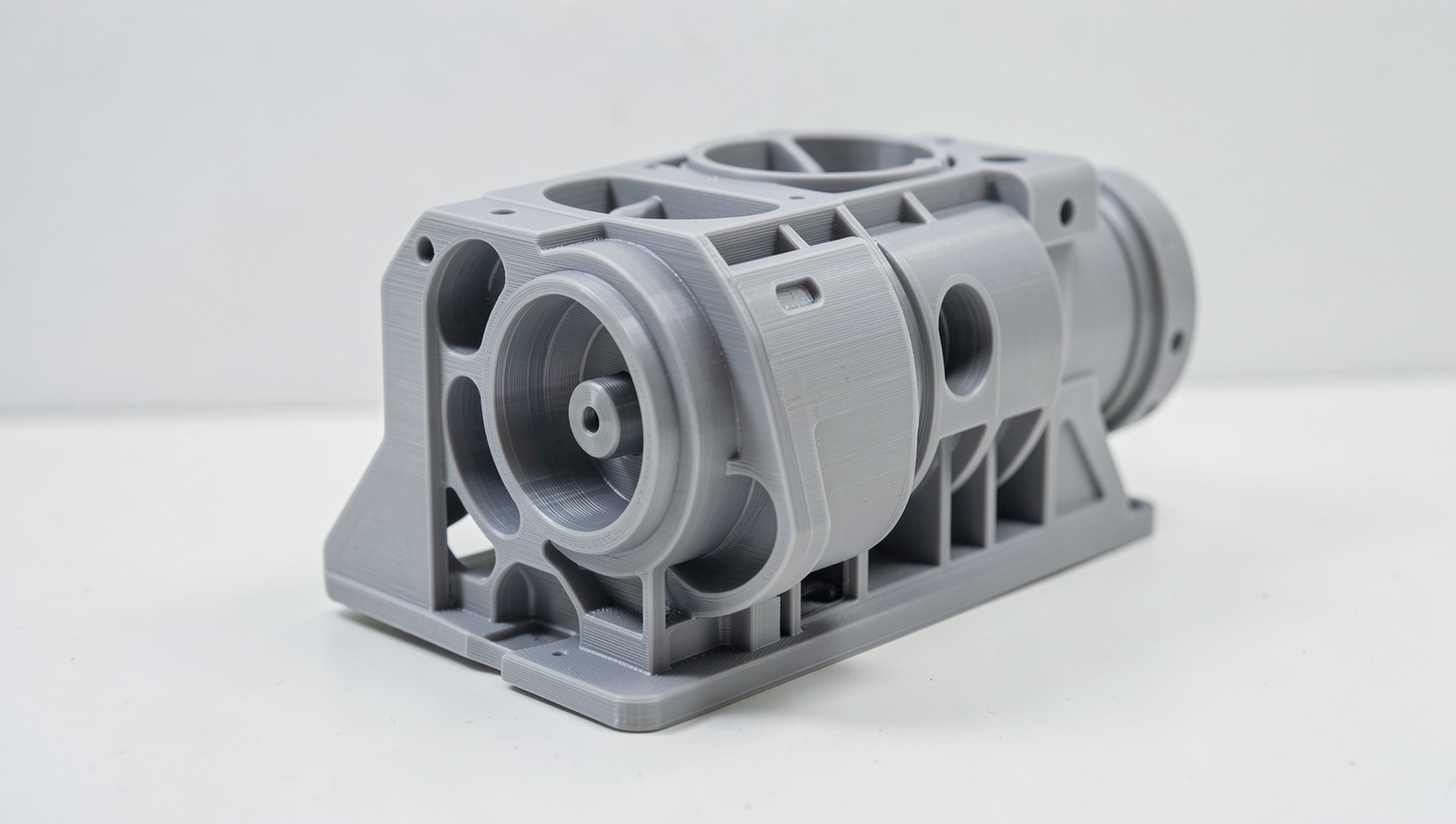
Japan is at the forefront of technological advancements, and 3D printing is revolutionizing various industries across the nation. This innovative manufacturing process is being adopted in multiple sectors, each leveraging its unique capabilities to enhance production efficiency, reduce costs, and foster creativity.
One of the most significant adopters of Japan 3D printing technology is the automotive industry. Companies are utilizing 3D printing for both prototyping and production applications. This allows for rapid development of vehicle components, enabling manufacturers to test designs quickly and efficiently. For instance, automakers can create intricate parts that are lightweight yet durable, which is crucial for improving fuel efficiency and overall vehicle performance.
The aerospace sector is another area where 3D printing is making a substantial impact. Manufacturers are increasingly using this technology to produce lightweight components and parts that are essential for aircraft. By utilizing advanced materials and additive manufacturing techniques, companies can create complex geometries that traditional manufacturing processes cannot achieve. This not only reduces the weight of aircraft but also enhances fuel efficiency and reduces emissions.
In the healthcare industry, Japan 3D printing is transforming the production of custom implants and prosthetics. Medical professionals can now create personalized solutions tailored to the specific needs of patients. For example, 3D-printed prosthetics can be designed to fit the unique anatomy of an individual, improving comfort and functionality. Additionally, surgical models created through 3D printing allow surgeons to plan procedures more effectively, leading to better patient outcomes.
Lastly, the consumer goods sector is embracing 3D printing for personalized products and rapid prototyping. Businesses can now offer customized items that cater to individual preferences, enhancing customer satisfaction. This flexibility allows companies to respond quickly to market trends and consumer demands, making 3D printing a valuable asset in today’s fast-paced retail environment.
Technological Innovations Driving Adoption
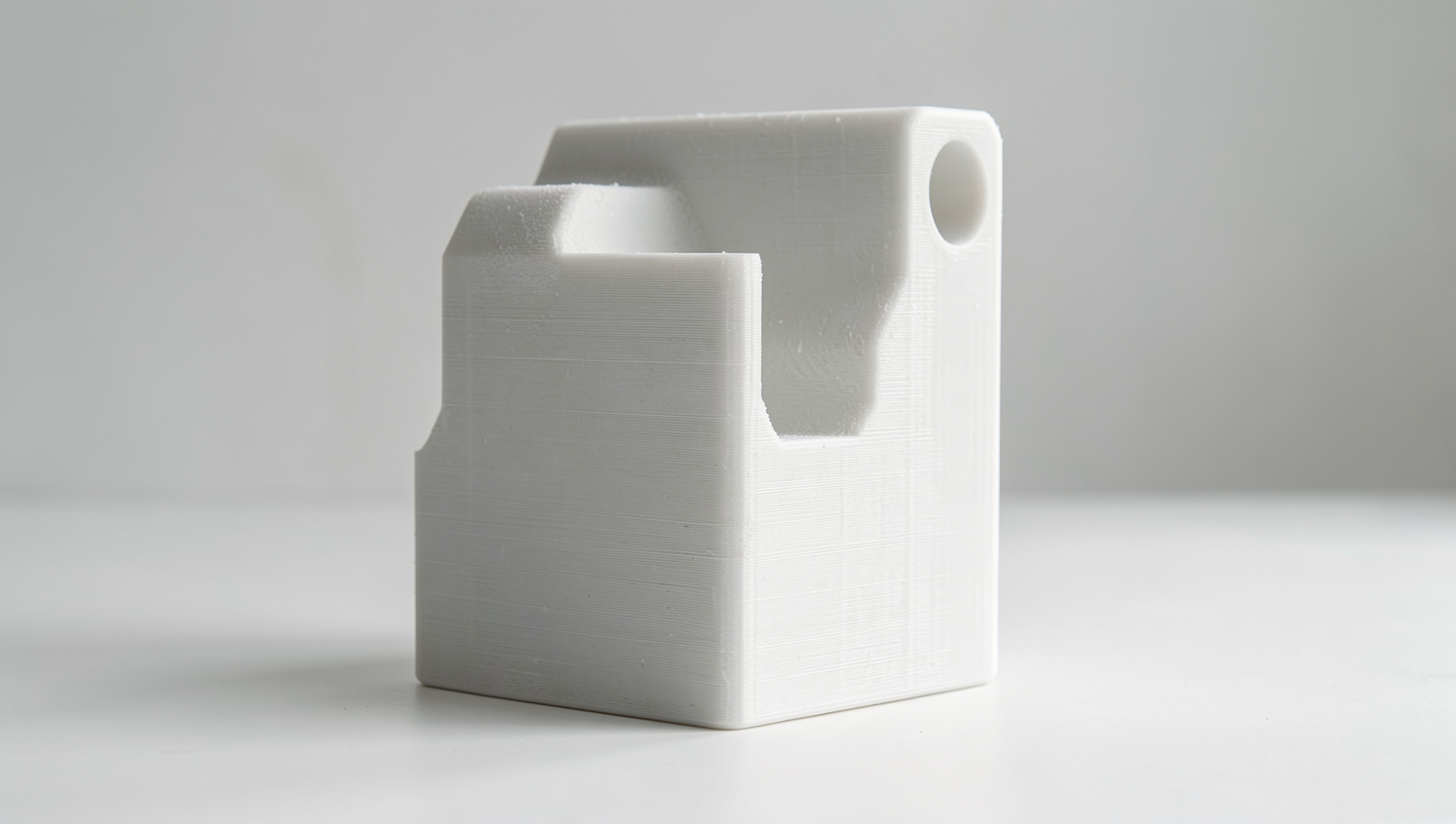
Japan has emerged as a leader in the realm of 3D printing, with various industries embracing advanced manufacturing techniques. Several technological innovations are driving this adoption, significantly enhancing the capabilities and applications of 3D printing in the country.
One of the most notable advancements is in the materials used for 3D printing. Traditional materials like plastics and metals are being supplemented with innovative options such as bio-based materials, ceramics, and composites. These new materials not only improve the strength and durability of printed objects but also expand the range of applications. For instance, the automotive industry in Japan is utilizing advanced polymers that can withstand high temperatures, making them suitable for engine components.
Integration of artificial intelligence (AI) and machine learning into 3D printing processes is another significant trend. These technologies enable real-time monitoring and optimization of the printing process, leading to higher precision and reduced waste. For example, companies like Fujitsu are developing AI algorithms that can predict potential failures during the printing process, allowing for proactive adjustments that enhance product quality.
Moreover, the development of hybrid manufacturing techniques, which combine additive and subtractive manufacturing, is gaining traction. This approach allows manufacturers to leverage the strengths of both methods, resulting in more complex geometries and improved surface finishes. Companies such as Hitachi are exploring hybrid systems that can produce intricate parts with enhanced efficiency.
Lastly, sustainability and eco-friendly practices are becoming increasingly important in Japan’s 3D printing landscape. Many firms are focusing on reducing their carbon footprint by using recycled materials and minimizing waste. For instance, some startups are creating 3D printers that utilize waste plastic to produce new products, thus promoting a circular economy.
- Advancements in materials enhance strength and application range.
- AI integration improves precision and reduces waste.
- Hybrid techniques combine additive and subtractive manufacturing.
- Sustainability efforts focus on recycling and waste reduction.
Challenges and Future Prospects
Japan’s 3D printing industry is experiencing rapid growth, yet it faces several challenges that could hinder its potential. One of the primary obstacles is the regulatory environment surrounding 3D printed products. As the technology evolves, so too must the regulations that govern it. Currently, there is a lack of standardized guidelines for safety and quality assurance in 3D printing. This inconsistency can lead to uncertainty among manufacturers and consumers alike, potentially stalling the adoption of 3D printed goods in various sectors.
Another significant concern is intellectual property (IP) rights. The ease of copying and replicating designs in additive manufacturing raises questions about ownership and patent infringement. Companies must navigate a complex landscape of IP laws to protect their innovations while also ensuring they do not inadvertently infringe on existing patents. This challenge can deter investment in new technologies and limit collaboration between firms.
Market competition is also intensifying, with both domestic and international players vying for a share of the burgeoning 3D printing market. To remain competitive, Japanese companies must prioritize innovation and continuously improve their offerings. This could involve investing in research and development, exploring new materials, or enhancing the capabilities of existing printing technologies.
- Emerging applications in healthcare, such as bioprinting organs and tissues.
- Advancements in construction, including 3D printed homes and infrastructure.
- Integration of AI and machine learning to optimize printing processes.
Looking ahead, Japan’s 3D printing industry is poised for significant growth. Future trends may include the expansion of on-demand manufacturing, which can reduce waste and improve efficiency. Additionally, as sustainability becomes a priority, the use of eco-friendly materials in 3D printing could open new avenues for innovation and market expansion. By addressing these challenges and embracing future opportunities, Japan can solidify its position as a leader in the global 3D printing landscape.
Conclusion
Japan 3D printing is rapidly transforming various industries, showcasing its potential to enhance manufacturing processes across sectors such as automotive, healthcare, and aerospace. The adoption of advanced manufacturing techniques, including additive manufacturing, allows companies to produce complex components with greater efficiency and reduced waste. This shift not only streamlines production but also fosters innovation, enabling businesses to create customized solutions that meet specific consumer demands. As Japan continues to invest in research and development, the integration of 3D printing technology is expected to drive further advancements in manufacturing capabilities.
Looking ahead, the next steps for Japan 3D printing involve expanding its applications and improving accessibility for smaller enterprises. By fostering collaboration between industry leaders and startups, Japan can enhance its competitive edge in the global market. Additionally, ongoing education and training in 3D printing technologies will empower the workforce to adapt to these changes. Ultimately, the continued evolution of Japan’s 3D printing landscape promises to redefine manufacturing standards and create new opportunities for growth and innovation.
Frequently Asked Questions
What industries in Japan are adopting 3D printing?
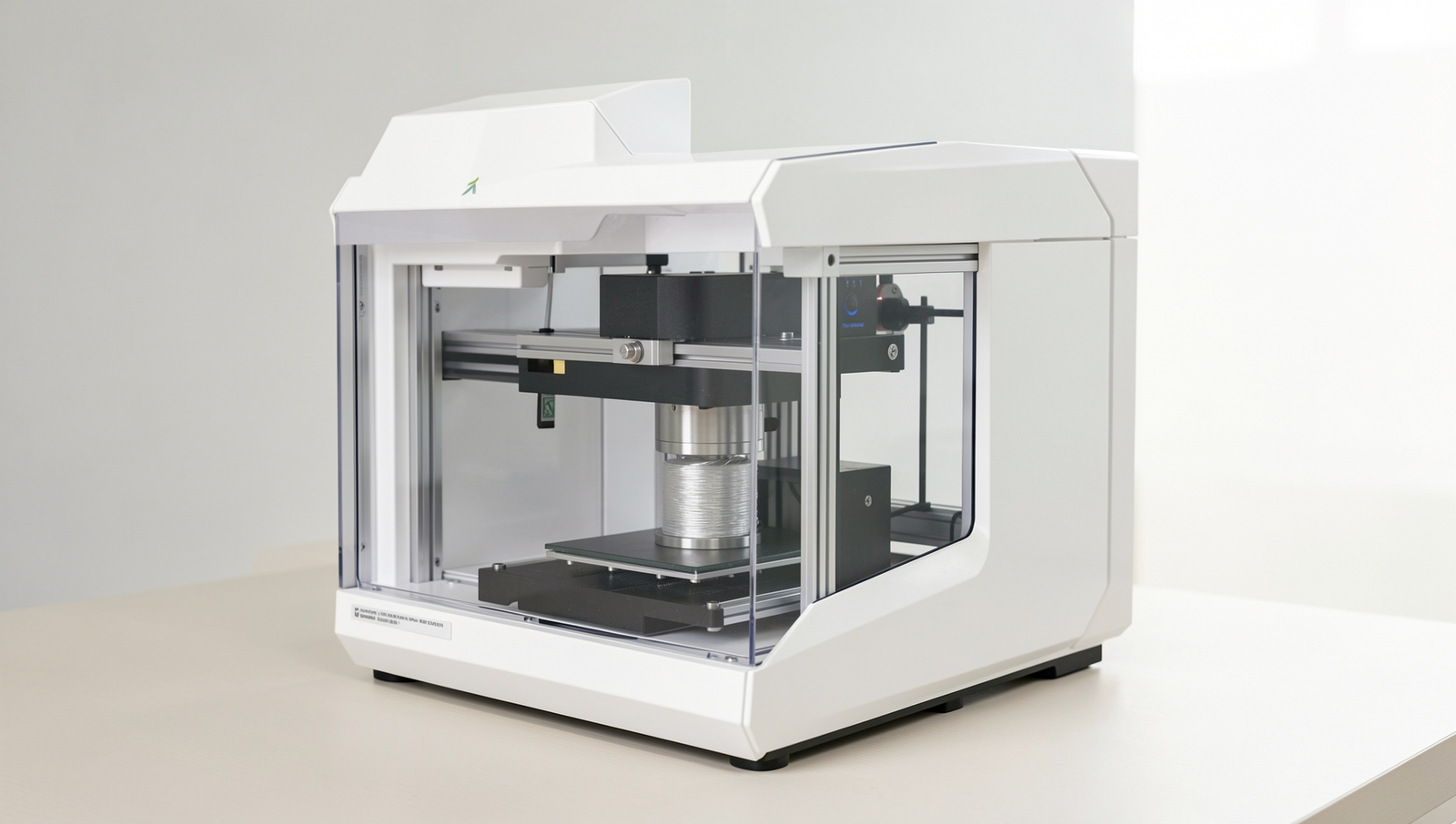
In Japan, industries such as automotive, aerospace, healthcare, and consumer goods are increasingly adopting 3D printing technologies. These sectors leverage 3D printing for rapid prototyping, custom parts production, and innovative design solutions, enhancing their competitive edge in the global market.
How is 3D printing impacting manufacturing in Japan?
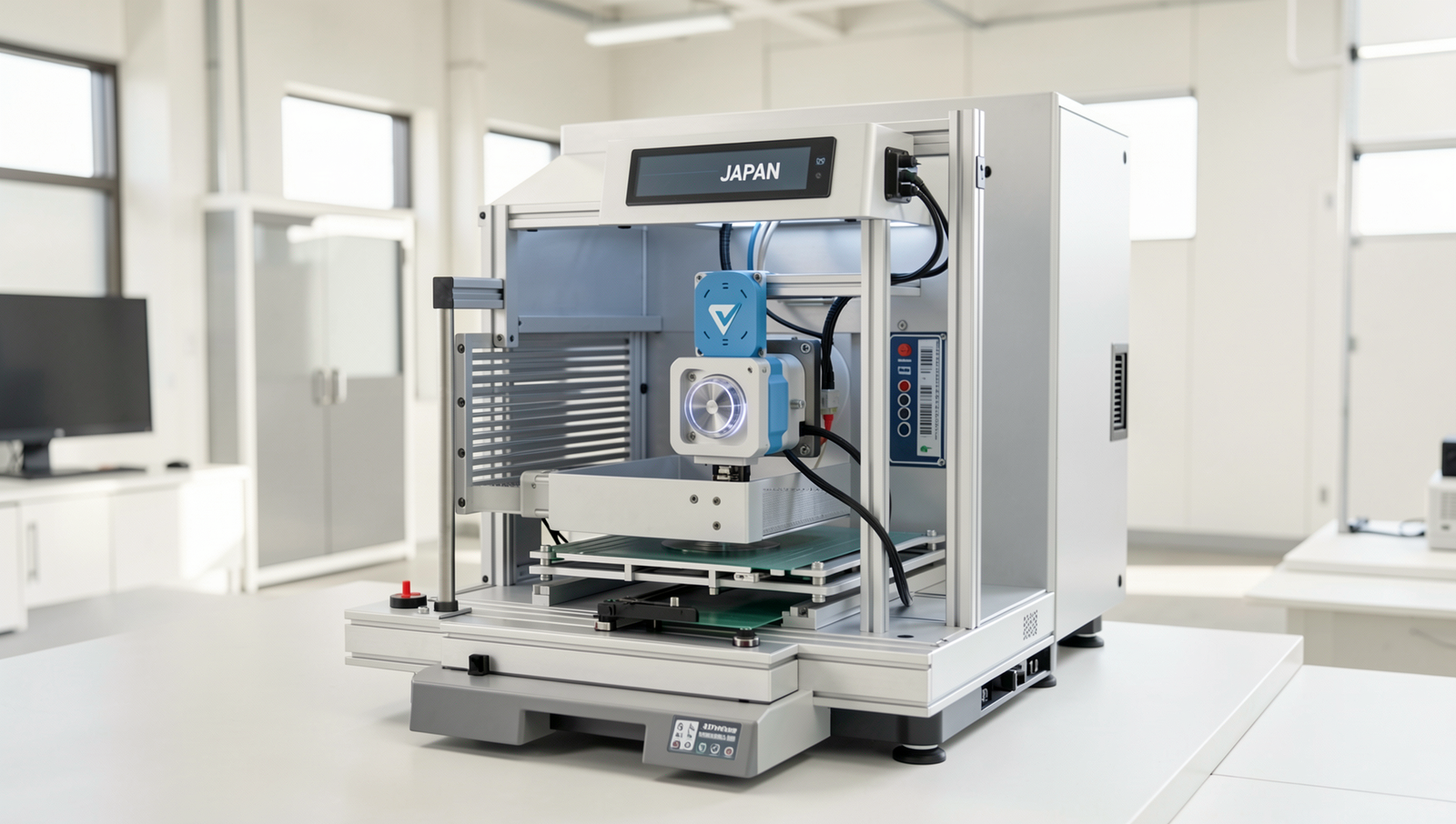
3D printing is revolutionizing manufacturing in Japan by streamlining production processes, reducing lead times, and minimizing waste. This technology allows for greater design flexibility and customization, enabling manufacturers
About the Author