Japan Space Economy: Companies Building a New Space Market
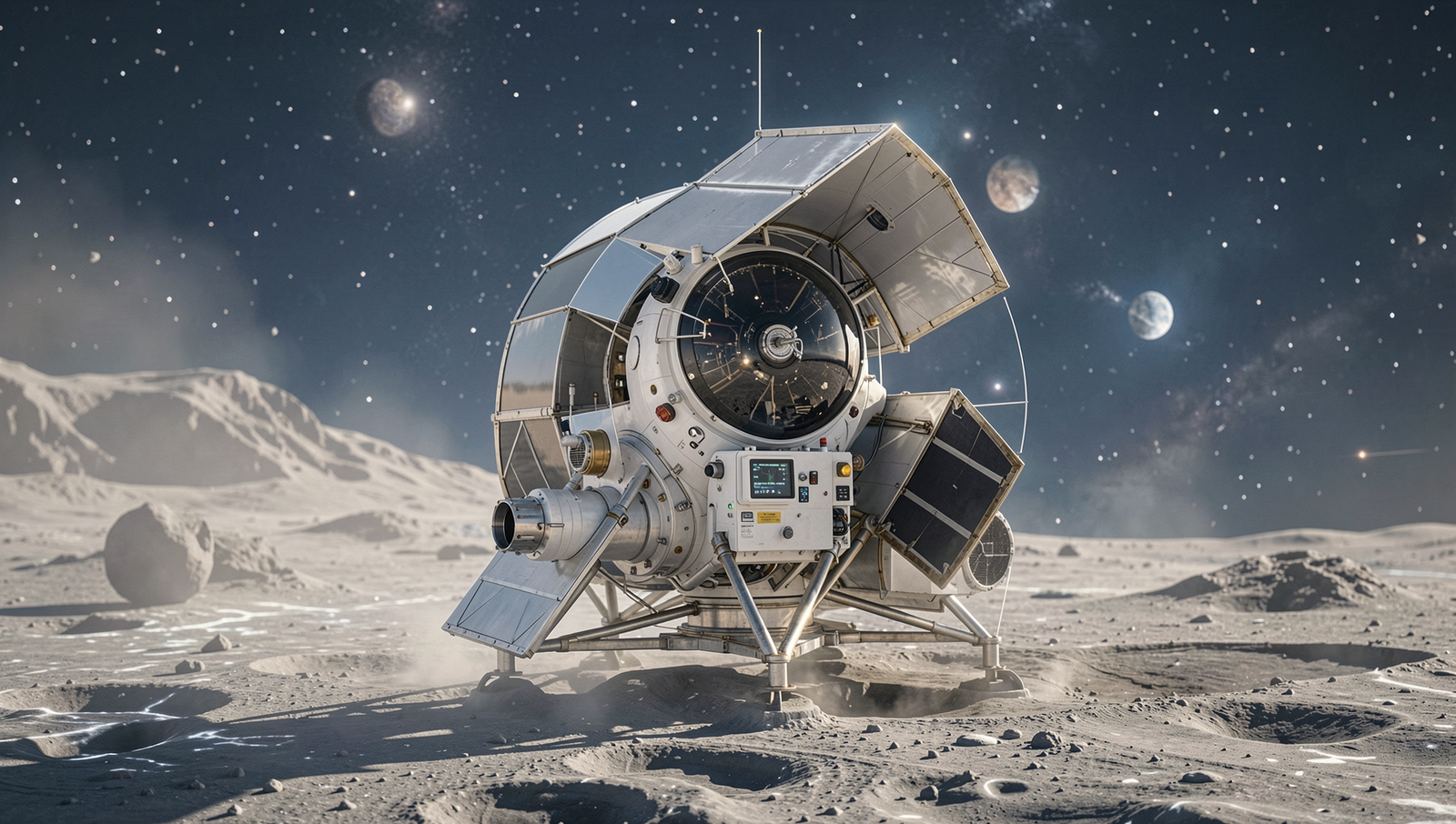
Japan's emerging space economy in focus.
8 min read • 1,636 words
Table of Contents
ToggleJapan Space Economy: Companies Building a New Space Market
The Japan space economy is rapidly evolving, with projections indicating it could reach an impressive $1 trillion by 2040. This burgeoning sector is not only a testament to Japan’s technological advancements but also a reflection of the increasing global interest in space exploration and commercialization. With over 100 private companies actively participating in this dynamic market, Japan is positioning itself as a key player in the international space arena.
In 2020, Japan made headlines by launching its first private rocket, a significant milestone that underscored the potential of private enterprises in the space industry. The Japanese government is heavily investing in space technology and innovation, aiming to establish a lunar base by the late 2020s. In this article, readers will explore the various companies contributing to the Japan space economy and understand the implications of these developments for the future of space exploration.
Major Players in Japan’s Space Sector
The Japan space economy has seen significant growth, with key players contributing to the development of a robust space sector. At the forefront is the Japan Aerospace Exploration Agency (JAXA), which plays a pivotal role in space exploration and research. Established in 2003, JAXA is responsible for various missions, including satellite launches, space science, and international collaborations. Its notable projects include the Hayabusa asteroid missions and the Kibo laboratory on the International Space Station (ISS).
In addition to JAXA, emerging private companies are reshaping the landscape of Japan’s space economy. Companies like ispace and Astroscale are leading the charge in commercial space ventures. ispace focuses on lunar exploration and aims to establish a sustainable presence on the Moon, while Astroscale is dedicated to addressing space debris through innovative satellite servicing technologies. Their efforts highlight the increasing role of private enterprises in a sector traditionally dominated by government agencies.
Partnerships between the government and private sector are essential for fostering innovation and growth in the Japan space economy. Initiatives such as the Space Industry Vision 2030 aim to support startups and encourage collaboration between established companies and new entrants. This synergy is crucial for developing advanced technologies and expanding Japan’s capabilities in space.
Furthermore, international collaborations and joint ventures are becoming increasingly common. JAXA has partnered with NASA, ESA, and other space agencies to enhance research and share resources. These collaborations not only strengthen Japan’s position in the global space economy but also facilitate knowledge exchange and technological advancements.

Innovations and Technologies Driving Growth
The Japan space economy is experiencing a transformative phase, largely driven by advancements in various technologies and innovative approaches. One of the most significant areas of growth is in satellite technology and launch systems. Japanese companies are developing smaller, more efficient satellites that can be launched at a fraction of the cost compared to traditional models. This has opened up opportunities for various sectors, including telecommunications, agriculture, and environmental monitoring.
Moreover, the development of space tourism and commercial spaceflight is gaining momentum. Companies like Space Adventures and the Japanese startup ispace are exploring ways to make space travel accessible to civilians. This burgeoning market not only promises to generate substantial revenue but also encourages public interest in space exploration and science.
Another exciting frontier is the research in space mining and resource utilization. Japan is investing in technologies that aim to extract resources from asteroids and other celestial bodies. For instance, the Hayabusa2 mission successfully returned samples from the asteroid Ryugu, paving the way for future mining endeavors. This could potentially provide valuable materials such as rare metals, which are essential for various high-tech industries.
Additionally, the impact of artificial intelligence (AI) and robotics in space missions cannot be overstated. Japanese firms are integrating AI to enhance the efficiency of satellite operations and data analysis. Robotics plays a crucial role in conducting repairs and maintenance on spacecraft, reducing the need for human intervention in hazardous environments.
- Advancements in satellite miniaturization
- Emergence of commercial spaceflight companies
- Research initiatives in asteroid mining
- Integration of AI in mission planning and execution
These innovations collectively contribute to the robust growth of the Japan space economy, positioning the nation as a key player in the global space market.
Challenges and Future Prospects
The Japan space economy is poised for significant growth, yet it faces several challenges that could hinder its progress. One of the primary obstacles is the regulatory hurdles and space policy challenges that companies must navigate. Japan’s space regulations can be complex, often requiring companies to obtain multiple licenses and approvals before launching their projects. This bureaucratic process can slow down innovation and deter new entrants into the market.
Moreover, Japan is not alone in its ambitions; competition from other nations in the space race is intensifying. Countries like the United States, China, and members of the European Union are investing heavily in their space industries, creating a competitive landscape that Japan must contend with. This competition not only drives innovation but also raises the stakes for securing contracts and partnerships in the global space economy.
Sustainability and environmental concerns are also critical issues that the Japan space economy must address. As space activities increase, the risk of space debris and its impact on the environment becomes a pressing concern. Companies are urged to adopt sustainable practices, such as developing technologies to mitigate space debris and ensuring that launches are environmentally friendly.
Looking ahead, several trends and potential areas for growth in the Japan space economy are emerging. These include:
- Increased collaboration between private companies and government agencies.
- Expansion of satellite services, including communication and Earth observation.
- Development of space tourism and commercial space travel.
- Advancements in space exploration technologies.
By addressing these challenges and capitalizing on emerging opportunities, Japan can solidify its position in the global space economy and foster a thriving industry that benefits both the nation and the world.
Conclusion
The Japan space economy is rapidly evolving, driven by a combination of government support and innovative private sector initiatives. Companies are increasingly venturing into satellite manufacturing, launch services, and space exploration, contributing to a robust ecosystem that fosters technological advancements and economic growth. This burgeoning market not only enhances Japan’s position in the global space arena but also creates numerous job opportunities and stimulates investment in various sectors, including telecommunications and research and development.
Looking ahead, the next steps for the Japan space economy involve strengthening international collaborations and expanding the scope of private sector participation. By fostering partnerships with other nations and leveraging advancements in technology, Japan can further enhance its capabilities in space exploration and satellite deployment. As the country continues to invest in its space infrastructure and talent development, the future of the Japan space economy appears promising, paving the way for new innovations and opportunities in the coming years.
Real-World Examples
The Japan space economy is not just a theoretical concept; it is being actively developed through various innovative companies and projects. One notable example is the work being done by ispace, a private lunar exploration company. Founded in 2010, ispace aims to create a sustainable lunar economy by providing transportation services to the Moon. Their lunar lander, which is designed to deliver payloads to the lunar surface, is a significant step towards establishing a commercial presence on the Moon. In 2022, ispace successfully completed a series of tests for its lander, showcasing Japan’s capabilities in the burgeoning lunar market.
Another key player in the Japan space economy is Axelspace, which specializes in small satellite technology. Axelspace has developed a constellation of microsatellites called “GRUS” that provide high-resolution Earth observation data. This technology is not only beneficial for environmental monitoring but also for urban planning and disaster management. The company has partnered with various organizations, including governmental bodies and private enterprises, to deliver valuable insights derived from satellite imagery.
Additionally, NEC Corporation has been instrumental in advancing satellite communication technologies. Their work in developing advanced satellite systems has enabled Japan to enhance its telecommunications infrastructure, facilitating better connectivity and data transfer capabilities. NEC’s satellites are used for various applications, including broadcasting, disaster response, and remote sensing, which are critical for both public and private sectors.
Furthermore, the collaboration between traditional aerospace companies and startups is fostering innovation in the Japan space economy. For instance, Space Robotics, a startup focused on developing robotic systems for space exploration, is working with established aerospace firms to create robotic arms for use on lunar missions. This partnership exemplifies how the integration of new technologies and traditional expertise can accelerate advancements in space exploration.
These real-world examples illustrate the dynamic nature of the Japan space economy, highlighting the diverse range of companies and initiatives that are contributing to its growth. As these companies continue to innovate and collaborate, Japan is poised to become a significant player in the global space market.
Frequently Asked Questions
What is the Japan space economy?
The Japan space economy encompasses all commercial activities related to space exploration, satellite deployment, and space technology development. It includes various sectors such as telecommunications, Earth observation, and space tourism, contributing significantly to Japan’s overall economic growth and technological advancement.
Which companies are leading Japan’s space economy?
Leading companies in Japan’s space economy include Mitsubishi Heavy Industries, which manufactures rockets, and SoftBank, known for satellite communications. Other notable players are Astroscale, focusing on space debris removal, and ispace, which aims to establish lunar exploration and resource utilization.
How is the Japanese government supporting the space industry?
The Japanese government supports the space industry through funding initiatives, policy frameworks, and international collaborations. It has established the Japan Aerospace Exploration Agency (JAXA) to spearhead research and development, while also
About the Author