Japan Lunar Missions: What Comes After the Moon Landings

Exploring Japan's future in lunar missions.
8 min read • 1,640 words
Table of Contents
ToggleJapan Lunar Missions: What Comes After the Moon Landings
Japan’s lunar missions are poised to play a pivotal role in the future of lunar exploration, aiming to establish a sustainable presence on the Moon by the late 2020s. These ambitious plans not only reflect Japan’s commitment to space exploration but also highlight the importance of international collaboration, particularly with NASA on the Artemis program. Readers will gain insight into how Japan’s efforts will contribute to our understanding of lunar resources, including the vital water ice that could support future human activities on the Moon.
One of the key missions, SLIM, will focus on testing precision landing technology, which is crucial for future explorations. Additionally, Japan’s future lunar missions may include sample return missions, bringing valuable lunar materials back to Earth. This article will explore the significance of these missions and what they mean for the future of space exploration and humanity’s presence beyond our planet.
Future Objectives of Japan’s Lunar Missions
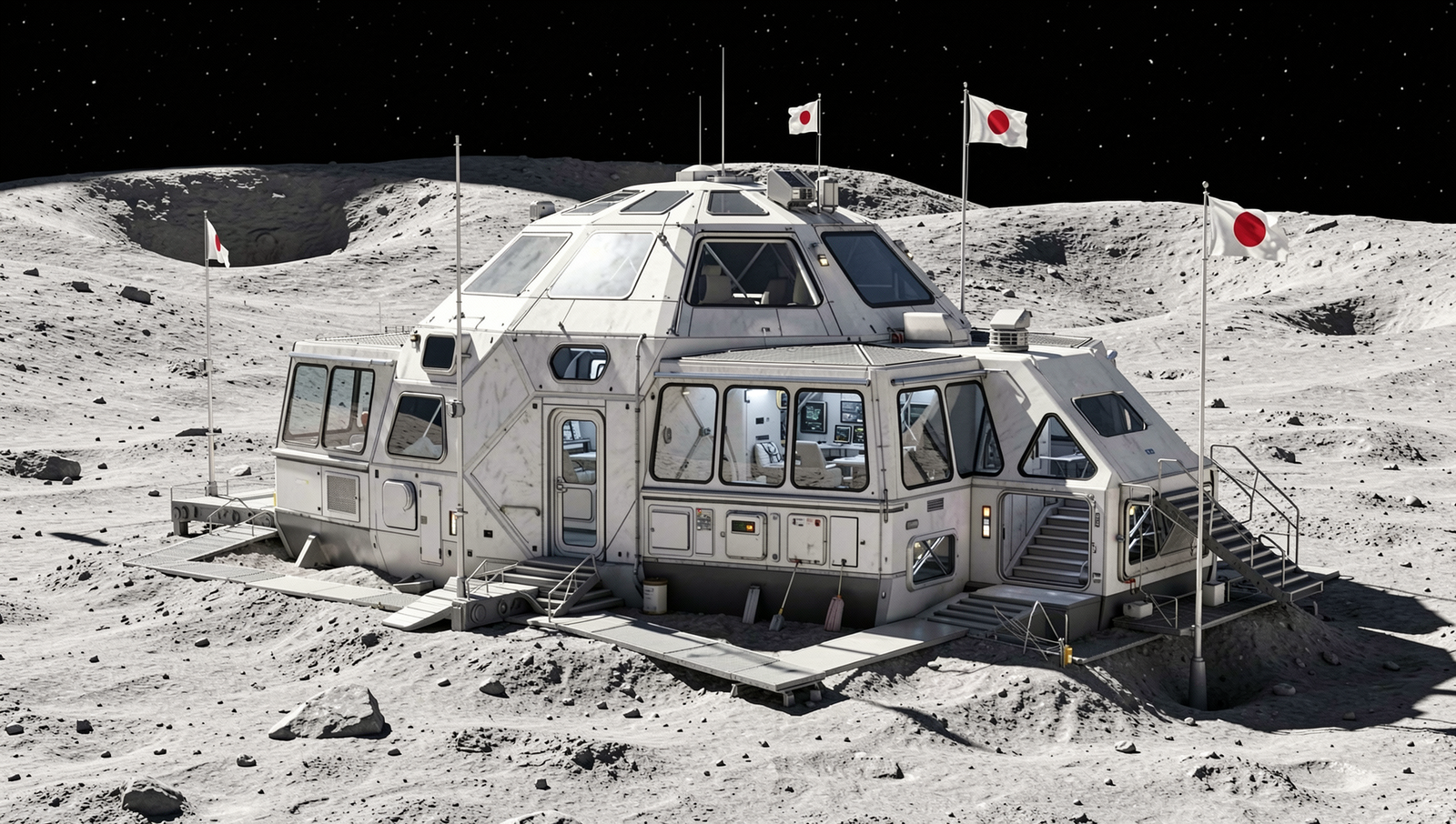
Japan’s lunar missions are set to pave the way for a new era of exploration and scientific discovery. One of the primary objectives is the exploration of lunar resources, particularly water ice and helium-3. Water ice, found in permanently shadowed craters, is crucial for sustaining future lunar habitats and can be converted into hydrogen and oxygen for rocket fuel. Helium-3, a rare isotope on Earth, holds potential as a clean energy source for future fusion reactors. The extraction and utilization of these resources could significantly enhance humanity’s presence in space.
Another key goal is to establish a sustainable human presence on the Moon. Japan aims to create a lunar base that can support long-term missions, enabling scientists and astronauts to conduct extensive research. This base would serve as a launch point for deeper space exploration, including missions to Mars. The development of life-support systems, habitats, and energy sources on the Moon will be vital for achieving this objective.
In addition to lunar exploration, Japan is focused on developing technologies that will be essential for future Mars missions. This includes advancements in robotics, autonomous systems, and life-support technologies. By testing these innovations on the Moon, Japan can gather valuable data and experience that will inform its Mars exploration strategies.
Collaboration with international space agencies is also a significant aspect of Japan’s lunar ambitions. By partnering with organizations such as NASA, ESA, and others, Japan can share knowledge, resources, and expertise. This collaborative approach not only enhances the capabilities of Japan’s lunar missions but also fosters a spirit of global cooperation in space exploration.
- Exploration of lunar resources like water ice and helium-3.
- Establishing a sustainable human presence on the Moon.
- Developing technologies for future Mars missions.
- Collaborating with international space agencies.
Technological Innovations and Developments
The Japan Lunar Missions have not only aimed to achieve successful landings on the Moon but have also spurred significant advancements in various technological fields. These innovations are crucial for future lunar exploration and potential long-term habitation. Below are some key areas of development:
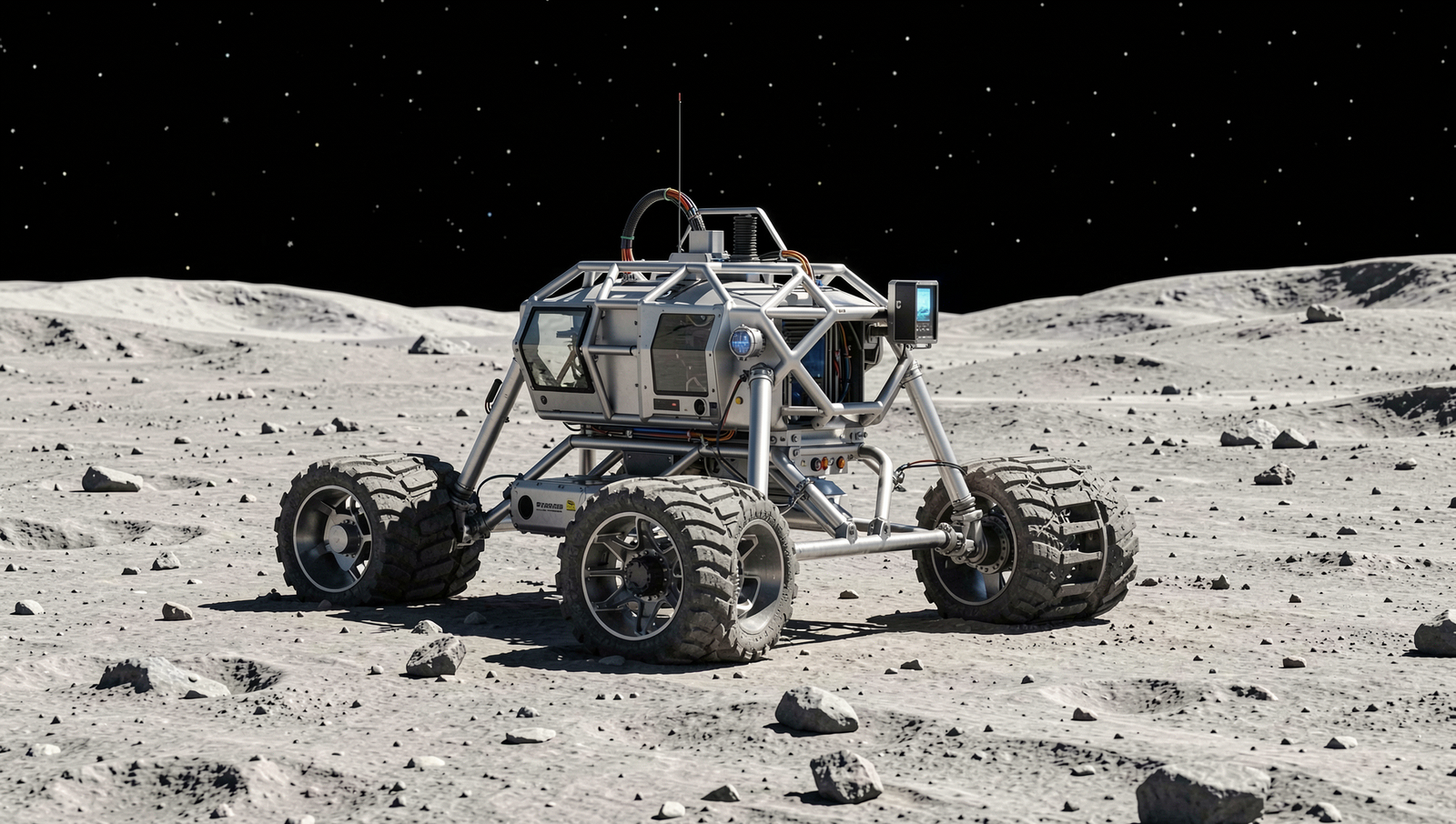
- Advancements in Robotics for Lunar Exploration: Japan has made remarkable strides in robotic technology, enhancing the capabilities of rovers and landers. For instance, the development of autonomous navigation systems allows rovers to traverse the lunar surface with minimal human intervention. These robots can conduct scientific experiments, collect samples, and send data back to Earth, significantly reducing the risks associated with human exploration.
- Development of New Propulsion Systems for Lunar Travel: Innovative propulsion technologies are being explored to make lunar travel more efficient. Japan is investing in electric propulsion systems that can provide greater thrust with lower fuel consumption. This technology not only reduces the weight of spacecraft but also extends their operational range, enabling more ambitious missions beyond the Moon.
- Innovations in Life Support Systems for Long-Term Habitation: As Japan prepares for potential lunar bases, advancements in life support systems are critical. Research is focused on recycling air and water, as well as growing food in lunar environments. These systems aim to sustain human life for extended periods, making long-term missions feasible.
- Research on Lunar Habitats and Construction Materials: The exploration of using lunar regolith as a building material for habitats is gaining traction. Japan is investigating how to utilize local resources to construct shelters that can withstand the harsh lunar environment. This approach not only reduces the need to transport materials from Earth but also paves the way for sustainable living on the Moon.
These technological innovations are essential for the future of Japan Lunar Missions, as they lay the groundwork for more advanced exploration and the possibility of establishing a human presence on the Moon.
International Collaboration and Partnerships
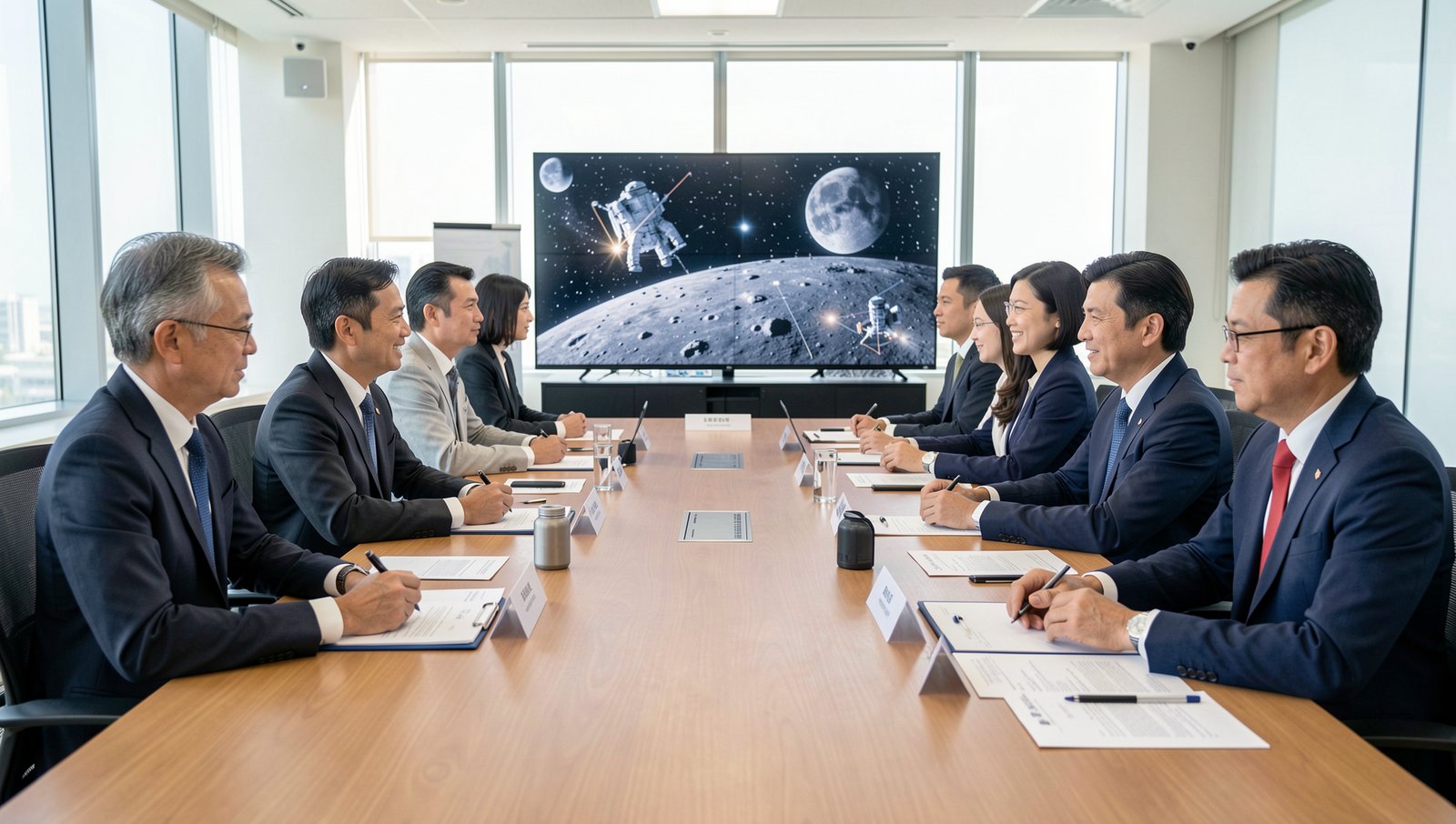
Japan’s lunar missions are not just a testament to its technological prowess but also a reflection of the growing trend of international collaboration in space exploration. Engaging with organizations like NASA and the European Space Agency (ESA) has become a cornerstone of Japan’s strategy for future lunar projects. These partnerships allow for the sharing of knowledge, resources, and expertise, ultimately enhancing the capabilities of all involved parties.
One of the most significant collaborations is Japan’s participation in the Artemis program, which aims to return humans to the Moon by the mid-2020s. Through this program, Japan is contributing to the development of the Lunar Gateway, a space station that will orbit the Moon and serve as a hub for lunar exploration. This collaboration not only strengthens Japan’s position in lunar exploration but also fosters a sense of unity among nations working towards common goals in space.
In addition to governmental partnerships, Japan is also exploring collaborations with private companies for lunar resource extraction. Companies like ispace are leading the charge in developing technologies for mining lunar resources, such as water and rare minerals. By partnering with these private entities, Japan aims to establish a sustainable presence on the Moon, which could pave the way for future missions to Mars and beyond.
- Engagement with NASA and ESA for joint lunar projects
- Partnerships with private companies for lunar resource extraction
- Participation in the Artemis program and Lunar Gateway
- Building a coalition of nations for lunar exploration
As Japan continues to forge these international partnerships, it is building a coalition of nations committed to advancing lunar exploration. This collaborative approach not only enhances the technological capabilities of Japan but also contributes to a more comprehensive understanding of the Moon and its potential for human habitation and resource utilization.

Scientific Research and Discoveries
The Japan Lunar Missions have opened up new avenues for scientific research and discoveries that extend far beyond the initial goal of landing on the Moon. One of the primary focuses of these missions is to study the Moon’s geology and history. By analyzing the composition of lunar rocks and soil, scientists can gain insights into the formation of the Moon and its evolution over billions of years. This research helps to piece together the history of not only the Moon but also the Earth and the broader solar system.
In addition to geological studies, Japan’s lunar missions are conducting experiments with lunar regolith and soil samples. These experiments are crucial for understanding the properties of lunar materials, which can inform future exploration and potential resource utilization. For instance, scientists are examining how lunar soil can be used for construction or as a resource for life support systems in future lunar habitats. This research is essential for developing sustainable human presence on the Moon.
Another intriguing aspect of the Japan Lunar Missions is the investigation into the potential for life in extreme environments. The Moon, with its harsh conditions, serves as a natural laboratory for studying how life might survive in similar environments elsewhere in the universe. By conducting experiments that simulate these extreme conditions, researchers can explore the limits of life and the possibilities of finding extraterrestrial organisms.
Furthermore, understanding the Moon’s role in the solar system’s evolution is a key objective of these missions. The Moon influences Earth’s tides, stabilizes its axial tilt, and has played a significant role in the planet’s climate and geological processes. Through comprehensive studies, scientists aim to unravel the complex interactions between the Earth and the Moon, shedding light on the dynamics of planetary systems.
- Studying lunar geology to understand the Moon’s formation.
- Conducting experiments on lunar soil for future resource utilization.
- Investigating life potential in extreme lunar environments.
- Understanding the Moon’s influence on Earth’s evolution.
Conclusion
Japan Lunar Missions have marked a significant milestone in the nation’s space exploration efforts, showcasing advanced technology and international collaboration. The successful landings on the Moon not only enhance Japan’s stature in the global space community but also contribute valuable scientific data that can lead to a deeper understanding of lunar geology and potential resources. These missions have demonstrated Japan’s commitment to exploring beyond Earth, paving the way for future endeavors in space exploration.
Looking ahead, the next steps for Japan Lunar Missions involve further exploration of the Moon and potential manned missions. The focus will likely shift towards establishing sustainable lunar bases and utilizing lunar resources for future deep-space missions, including Mars exploration. By continuing to invest in lunar research and technology, Japan aims to play a crucial role in the next era of space exploration, fostering innovation and inspiring future generations of scientists and engineers.
Frequently Asked Questions
What are Japan’s upcoming lunar missions after the recent landings?
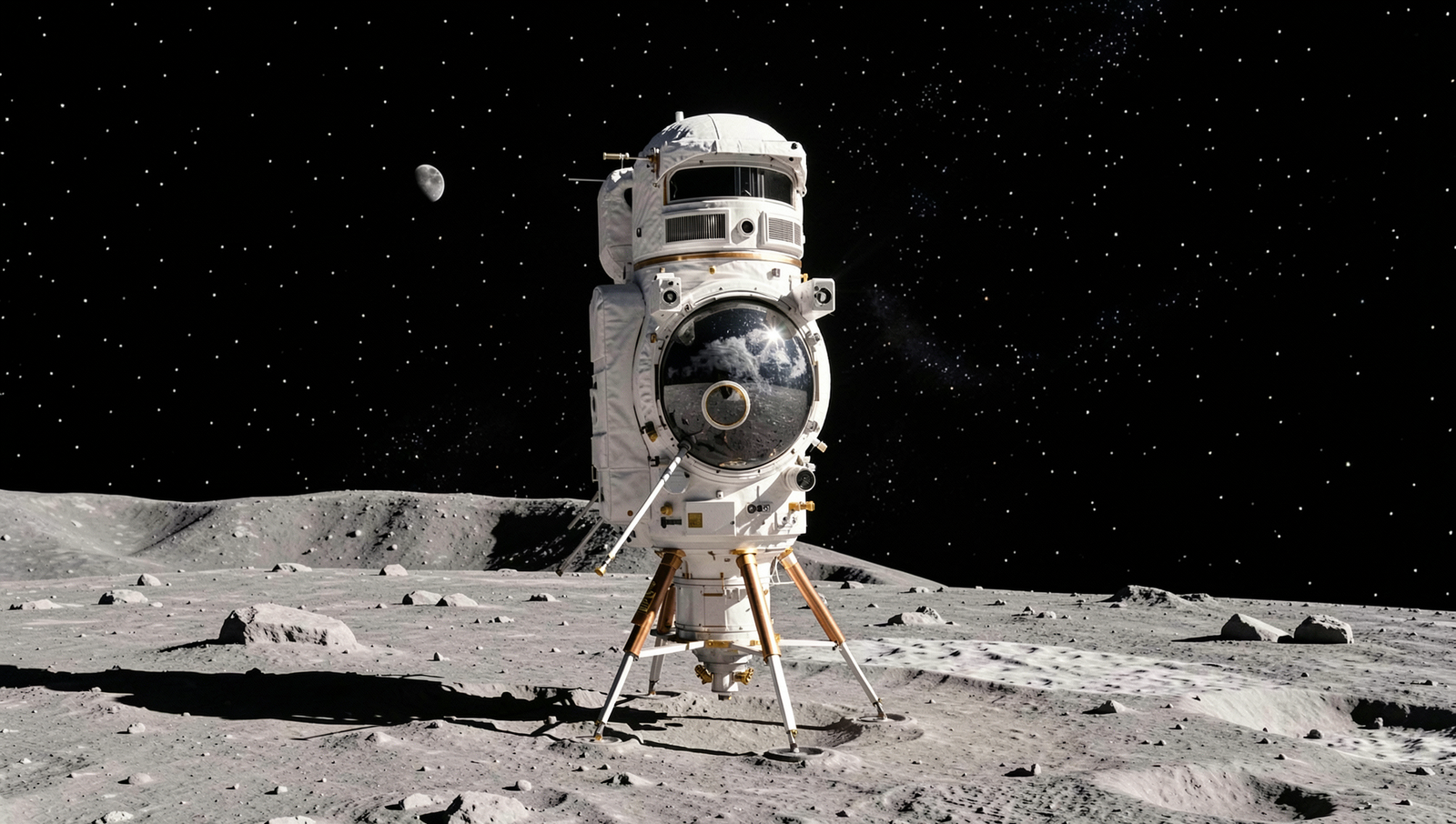
Japan plans to launch several lunar missions in the coming years, including the SLIM (Smart Lander for Investigating Moon) mission aimed at precise landings. Additionally, the Japan Aerospace Exploration Agency (JAXA) is developing the Lunar Polar Exploration mission to study the Moon’s polar regions.

How does Japan’s lunar
About the Author