AI Robots Are Moving Toward a Major Breakthrough
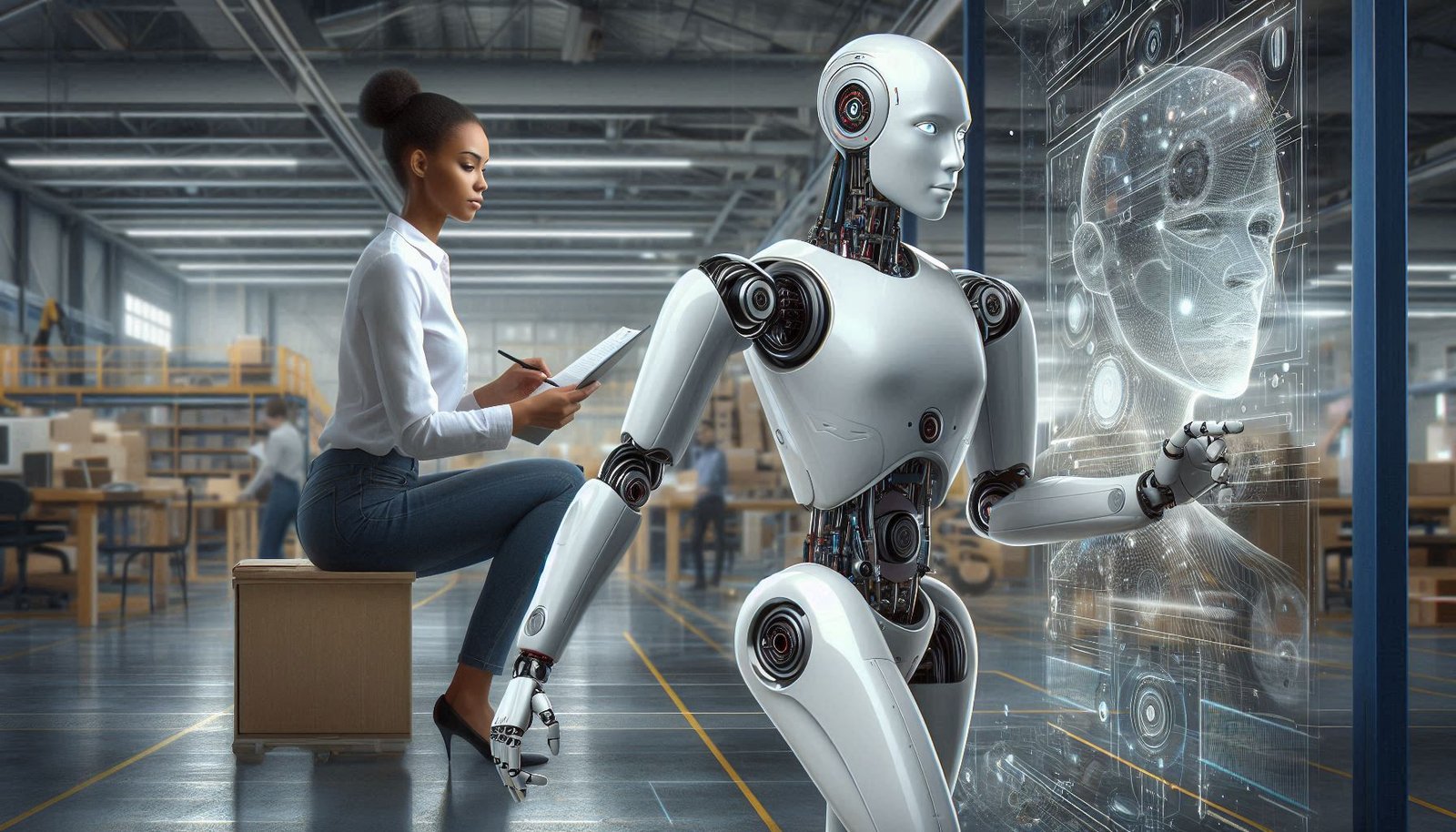
Artificial intelligence is no longer limited to smartphones, computers, and online services. The technology is increasingly being connected with physical machines, creating a new generation of AI robots that can understand instructions, interact with people, and perform tasks in the real world.
The robotics industry is now attracting worldwide attention as companies work to make humanoid robots more capable and useful. At the World Robot Conference in Beijing, robotics leaders highlighted how quickly the industry is developing and suggested that robots could eventually reach a breakthrough similar to the impact ChatGPT had on software.
This development could make humanoid robots, artificial intelligence, and automation some of the biggest technology trends of the coming years.
What Makes AI Robots Different?
Traditional robots are generally designed to perform specific tasks. A machine in a factory, for example, may repeatedly assemble a product or move materials from one location to another.
Modern AI robots are being developed with a different approach.
Instead of simply following fixed instructions, advanced robots can use artificial intelligence to understand their surroundings and respond to changing situations. This could allow robots to perform multiple tasks rather than being limited to one programmed function.
AI-powered robotics combines several technologies, including:
- Artificial intelligence
- Computer vision
- Machine learning
- Sensors
- Robotics hardware
- Voice recognition
- Advanced computing systems
Together, these technologies can help machines understand both their environment and human instructions.
Humanoid Robots Are Getting More Attention
Humanoid robots are one of the most visible areas of modern robotics. Their human-like shape allows engineers to design them for environments created for people.
For example, stairs, doors, tools, shelves, and workplaces are generally designed around the human body. A humanoid robot could potentially operate in these environments without requiring major changes to existing infrastructure.
China has become a major center for humanoid robotics development. Reuters reported that China delivered more than 40,000 humanoid robots during the first half of 2026 and accounted for a very large share of the global market.
The rapid growth shows that robotics technology is moving beyond research laboratories and into commercial development.
Could Robots Have a “ChatGPT Moment”?
One of the biggest questions in the technology industry is whether robotics can experience a breakthrough similar to generative AI.
ChatGPT changed how millions of people interact with computers by making advanced AI accessible through simple conversations. Robotics companies are now working toward a similar experience in the physical world.
The goal is simple: a person could eventually give a robot an instruction in ordinary language, and the machine could understand what needs to be done and complete the task.
For example, instead of programming a robot step by step, a user might simply say:
“Clean the table and put everything back in its place.”
A future AI robot could potentially identify objects, understand the request, plan its movements, and complete the task.
However, experts say significant challenges remain, and widespread advanced robot capabilities may still take several years to develop.
How AI Robots Could Change Different Industries
Manufacturing
Factories are likely to remain one of the biggest markets for intelligent robots. AI robots could help with assembly, transportation, inspection, packaging, and other repetitive activities.
Unlike traditional automation, flexible robots could potentially switch between different tasks depending on production requirements.
Healthcare
Robotics could also become increasingly important in healthcare. AI-powered machines may eventually assist with transportation, basic support tasks, medical logistics, and elderly care.
Human supervision will remain important because healthcare requires safety, reliability, and careful decision-making.
Warehouses and Logistics
Online shopping has created huge demand for faster warehouse operations. Intelligent robots could help organize products, move packages, and support delivery operations.
AI-powered systems may also make warehouses more efficient by allowing robots to adapt to changing inventory and working conditions.
Homes
Consumer robotics is another interesting possibility. Future home robots could potentially help with cleaning, organizing, carrying objects, or assisting elderly people.
The challenge is making these machines affordable, safe, reliable, and easy to use.
The Biggest Challenge Is Not Just Building the Robot
Creating a robot that can walk is impressive, but useful real-world intelligence is much harder.
A robot needs to understand unpredictable environments. People move differently, objects can be placed in unexpected locations, and real-world situations rarely follow perfect instructions.
This is why AI robotics requires more than powerful hardware. Robots also need sophisticated software, large amounts of training data, reliable sensors, and strong computing systems.
Another major challenge is cost. Advanced robots currently require expensive hardware and sophisticated technology. Companies will need to reduce production costs before humanoid robots can become common in ordinary homes and businesses.
AI Robots and the Future of Work
The growth of AI robots has also raised questions about employment.
Automation has always changed the workplace, but intelligent humanoid robots could potentially affect a wider range of physical jobs.
Some tasks may become automated, while new jobs could emerge in robot development, maintenance, programming, supervision, and AI system management.
The future is therefore unlikely to be simply about humans versus robots. Instead, many workplaces could eventually use humans and machines together.
Humans may focus on creativity, communication, decision-making, and complex situations, while robots handle repetitive or physically demanding tasks.
What Happens Next?
The next stage of robotics will likely focus on making machines more intelligent, reliable, and affordable.
Technology companies are investing heavily in AI models, sensors, processors, batteries, and robotics platforms. As these technologies improve, robots could become capable of performing increasingly complex tasks.
The industry still has a long way to go before highly capable humanoid robots become a normal part of everyday life. However, the pace of development suggests that AI robots will remain one of the most important technology stories to watch.
Final Thoughts
AI robots are entering a new stage of development. Advances in artificial intelligence are giving robots capabilities that were difficult to imagine only a few years ago.
Humanoid robots could eventually work in factories, warehouses, hospitals, offices, and homes. While major technical and economic challenges remain, the combination of AI and robotics has the potential to transform how people interact with machines.
The next breakthrough in artificial intelligence may not happen only on a computer screen. It could happen when AI becomes capable of understanding the physical world and acting within it.
For technology enthusiasts, businesses, and consumers, the rise of AI robots is a trend worth watching closely.
About the Author