Japan Digital IDs: How Technology Is Changing Public Services

Exploring Japan's digital ID transformation in public services.
8 min read • 1,632 words
Table of Contents
ToggleJapan Digital IDs: How Technology Is Changing Public Services
In recent years, Japan has made significant strides in modernizing its public services through the introduction of digital identification systems. The Japan Digital IDs, particularly the My Number system, were launched in 2015 with the aim of streamlining various public services and improving efficiency. As of 2023, over 90% of Japanese citizens have registered for the My Number system, highlighting its acceptance and importance in daily life. This article explores how digital IDs are transforming the way citizens interact with government services, allowing for online access to essential functions such as tax filing and healthcare management.
Understanding the implications of Japan’s digital ID system is crucial, as it not only enhances convenience for users but also promises to reduce administrative costs by up to 30% in public services. Furthermore, Japan plans to bolster its digital ID framework by integrating biometric authentication, ensuring a more secure and efficient system for the future.
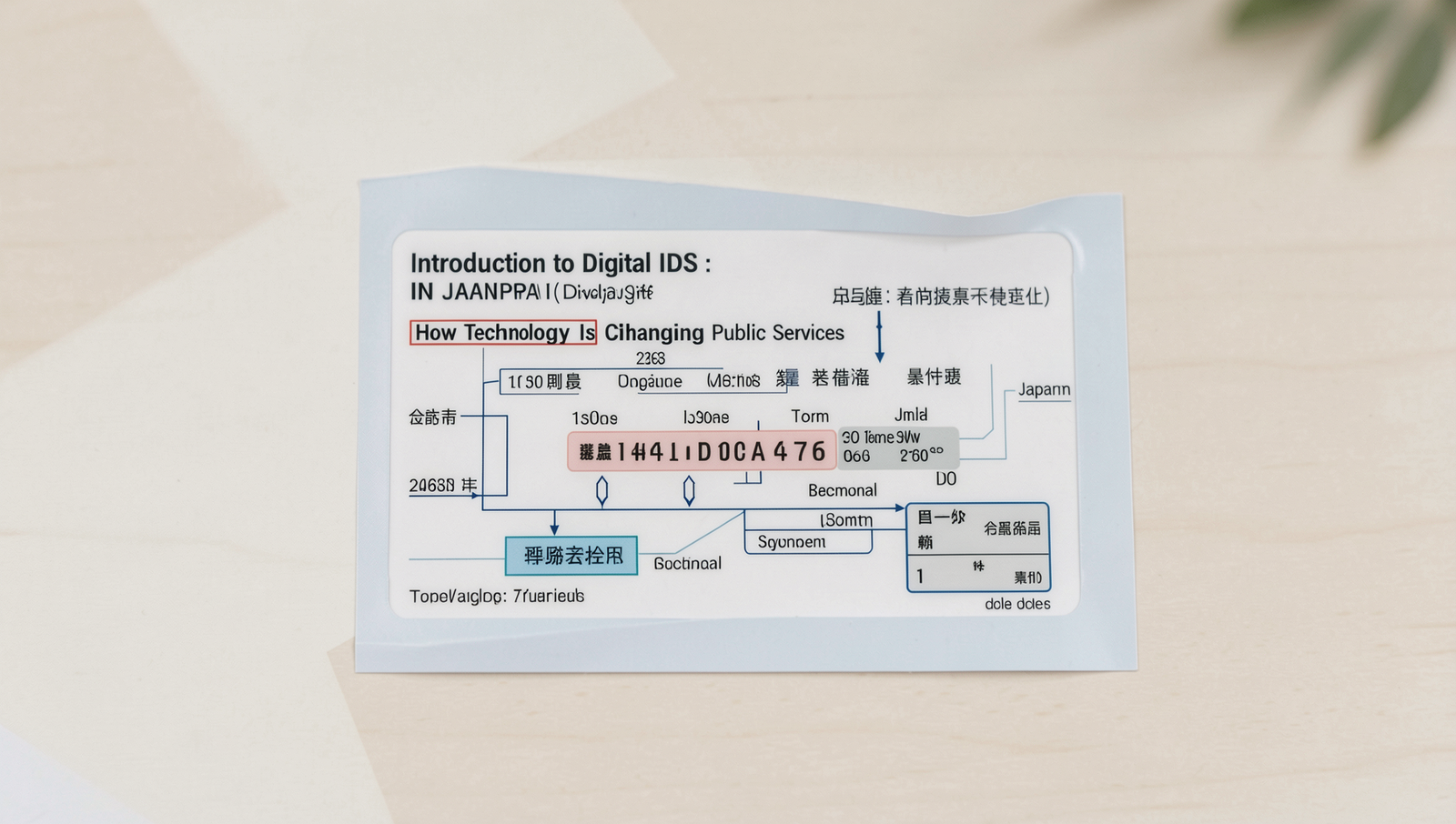
Introduction to Digital IDs in Japan
Japan has been at the forefront of technological innovation, and the introduction of digital IDs is a significant step in modernizing public services. Digital IDs in Japan are designed to streamline various government processes, making them more efficient and accessible for citizens. These systems allow individuals to verify their identities online, facilitating a range of services from healthcare to taxation.
The historical context of public service digitization in Japan dates back to the early 2000s when the government began to recognize the need for improved efficiency in public administration. The My Number system, introduced in 2015, marked a pivotal moment in this evolution. It assigned a unique identification number to every resident, paving the way for a more integrated approach to public services. This initiative aimed to reduce bureaucratic red tape and enhance service delivery across various sectors.
The importance of digital IDs for both citizens and the government cannot be overstated. For citizens, these IDs provide a convenient way to access essential services, reducing the need for physical paperwork and in-person visits. For the government, digital IDs enable better data management, improved security, and enhanced service delivery. By digitizing identification processes, Japan aims to create a more user-friendly experience while ensuring the protection of personal information.
- As of 2023, approximately 70% of Japanese citizens have registered for a digital ID.
- Over 100 government services are now accessible using digital IDs.
- Digital ID adoption has led to a 30% reduction in processing times for public services.
In conclusion, Japan’s digital ID systems represent a significant advancement in the digitization of public services. By embracing technology, the country is not only improving efficiency but also enhancing the overall experience for its citizens. The ongoing adoption of these systems is expected to continue shaping the future of public administration in Japan.
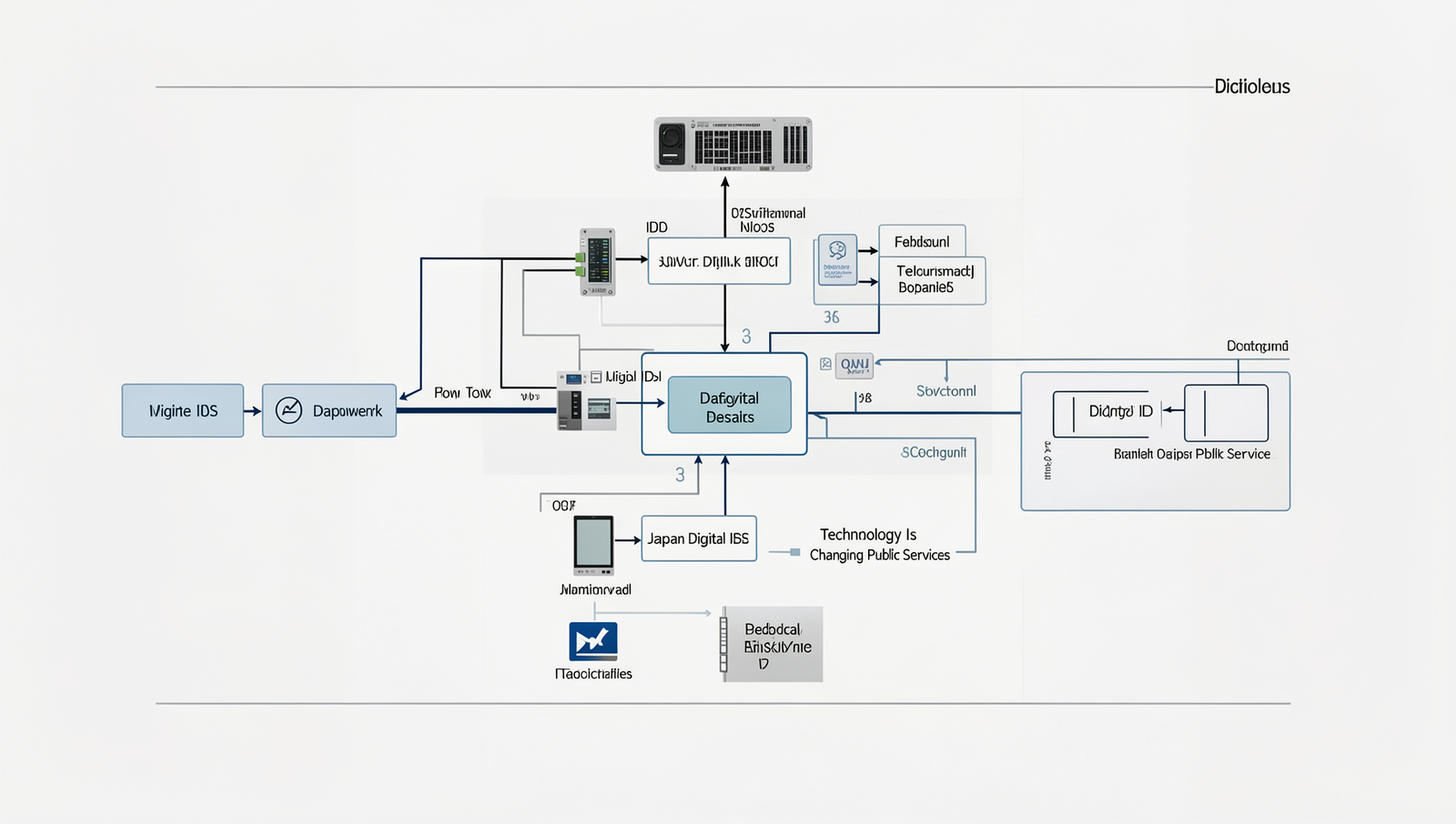
Technological Framework Behind Digital IDs
The implementation of Japan Digital IDs relies on a sophisticated technological framework designed to enhance public services while ensuring security and privacy. At the core of this framework is a robust identification system that utilizes biometric data, such as fingerprints and facial recognition, alongside traditional identification methods. This multi-faceted approach allows for a more accurate and secure identification process, reducing the risk of identity theft and fraud.
Security measures are paramount in the development of digital IDs. Japan employs advanced encryption methods to safeguard personal data. For instance, the use of Public Key Infrastructure (PKI) ensures that data transmitted between users and government systems remains confidential and tamper-proof. Additionally, biometric data is stored in a secure, encrypted format, making it nearly impossible for unauthorized users to access sensitive information.
Integration with existing public service systems is another crucial aspect of Japan Digital IDs. The digital ID system is designed to work seamlessly with various government services, such as healthcare, taxation, and social security. This interoperability allows citizens to access multiple services using a single digital ID, streamlining processes and reducing administrative burdens. For example, a citizen can use their digital ID to register for healthcare services, file taxes, and apply for social security benefits all in one go.
However, the implementation of this technology is not without challenges. One significant hurdle is the need for widespread public acceptance and understanding of digital IDs. Many citizens may be hesitant to adopt new technologies due to concerns about privacy and data security. Additionally, the integration of digital IDs into legacy systems can be complex and costly, requiring significant investment in infrastructure and training for public service employees.
- Biometric data utilization
- Advanced encryption methods
- Seamless integration with public services
- Public acceptance challenges
In conclusion, the technological framework behind Japan Digital IDs is a blend of innovative security measures and practical applications aimed at transforming public services. While challenges exist, the potential benefits of improved efficiency and security make this initiative a significant step forward for Japan.

Impact on Public Services
The introduction of Japan Digital IDs has significantly transformed the landscape of public service delivery in the country. By leveraging advanced technology, the government has enhanced the efficiency of various services, making them more accessible and user-friendly for citizens. One of the most notable improvements is the reduction in processing times for applications and requests, which has historically been a pain point for many individuals interacting with public agencies.
For instance, the implementation of digital IDs has streamlined processes such as tax filing, health care access, and social security benefits. Citizens can now complete these tasks online, reducing the need for in-person visits and minimizing the time spent waiting in queues. A case study worth mentioning is the My Number system, which allows residents to manage their personal information and access various services through a single identification number. This system has proven effective in simplifying administrative procedures and ensuring that citizens can easily navigate public services.
- Improvement in Efficiency: Digital IDs have led to faster service delivery, allowing citizens to receive necessary services without unnecessary delays.
- Case Studies: Successful applications include online tax submissions and health insurance enrollment, which have seen increased participation rates.
- User Experience: The design of digital ID platforms prioritizes user accessibility, ensuring that all citizens, including those with disabilities, can easily engage with public services.
- Reducing Bureaucratic Red Tape: By digitizing records and automating processes, the need for excessive paperwork has diminished, leading to a more streamlined experience for users.
Furthermore, the user experience has been a focal point in the development of these digital systems. Ensuring that platforms are intuitive and easy to navigate is crucial for widespread adoption. Accessibility features, such as language options and support for assistive technologies, have been integrated to accommodate diverse user needs.
In conclusion, Japan Digital IDs represent a significant leap forward in public service efficiency, enhancing user experience while reducing bureaucratic hurdles. As the country continues to embrace digital transformation, the potential for further improvements in public service delivery remains vast.

Future Prospects and Challenges
The future of Japan Digital IDs is poised for significant evolution, driven by advancements in technology and increasing demand for efficient public services. Predicted trends indicate a shift towards more integrated digital identity systems that streamline access to various government services. For instance, the implementation of biometric verification methods, such as facial recognition and fingerprint scanning, could enhance the security and convenience of digital IDs. This integration could lead to a more cohesive experience for citizens, allowing them to access healthcare, taxation, and social services through a single digital platform.
However, the adoption of such technologies comes with potential privacy and security concerns. Citizens may worry about the misuse of their personal information, especially in light of increasing cyber threats. Data breaches could expose sensitive information, leading to identity theft and other criminal activities. Moreover, the centralization of data raises questions about surveillance and the extent of government oversight. To mitigate these concerns, it is essential for the government to implement robust security measures and transparent policies regarding data usage and storage.
In response to these challenges, the Japanese government has initiated several programs aimed at promoting the adoption of digital IDs. For example, the “My Number” system, introduced in 2015, aims to provide residents with a unique identification number that can be used for various administrative purposes. This initiative is part of a broader strategy to digitize public services and improve efficiency. Additionally, the government is investing in public education campaigns to raise awareness about the benefits of digital IDs and to build trust among citizens.
- Increased convenience in accessing services
- Enhanced security through biometric verification
- Potential for improved government efficiency
Public perception and trust in digital IDs will play a crucial role in their successful implementation. Engaging with communities and addressing their concerns will be vital in fostering a positive outlook towards Japan Digital IDs. By prioritizing transparency and security, the government can pave the way for a future where digital identities are not only accepted but embraced by the populace.
Conclusion
Japan Digital IDs represent a significant leap forward in the integration of technology within public services. By streamlining processes and enhancing accessibility, these digital identification systems are poised to transform how citizens interact with government services. The key benefits include increased efficiency, reduced paperwork, and improved security, which collectively contribute to a more user-friendly experience for the public. As Japan continues to embrace digital innovation, the potential for these IDs to facilitate seamless transactions across various sectors is immense.
Looking ahead, the next steps involve further refining the technology and expanding its applications. Policymakers must address concerns related to privacy and data security to foster public trust. Additionally, ongoing education and support for citizens will be crucial in ensuring widespread adoption of
About the Author