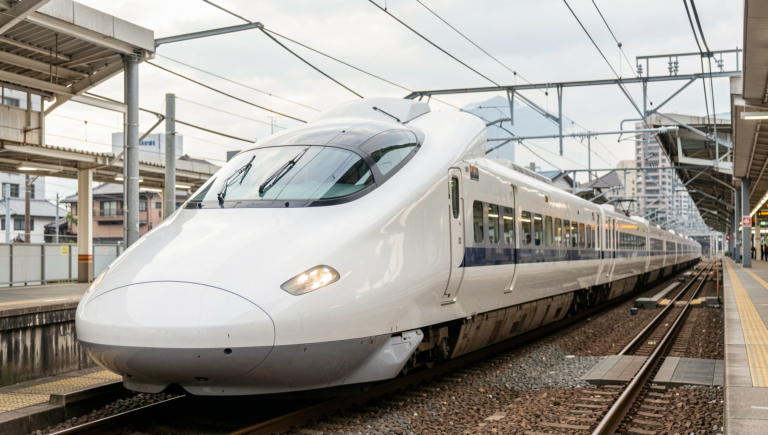
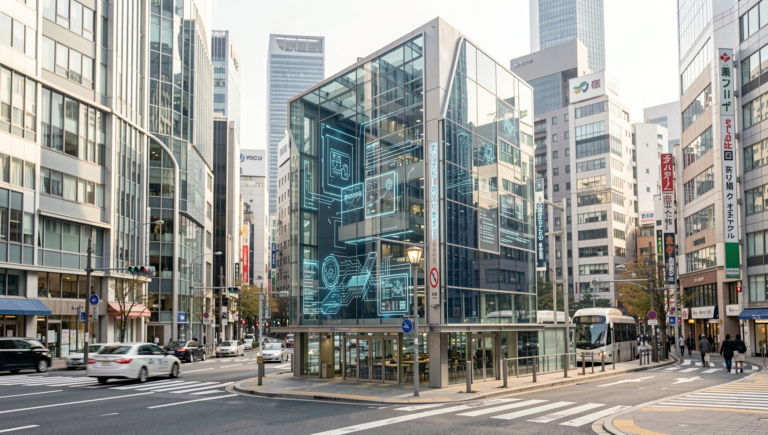
Japan Earthquake Technology: New Systems Protecting Cities
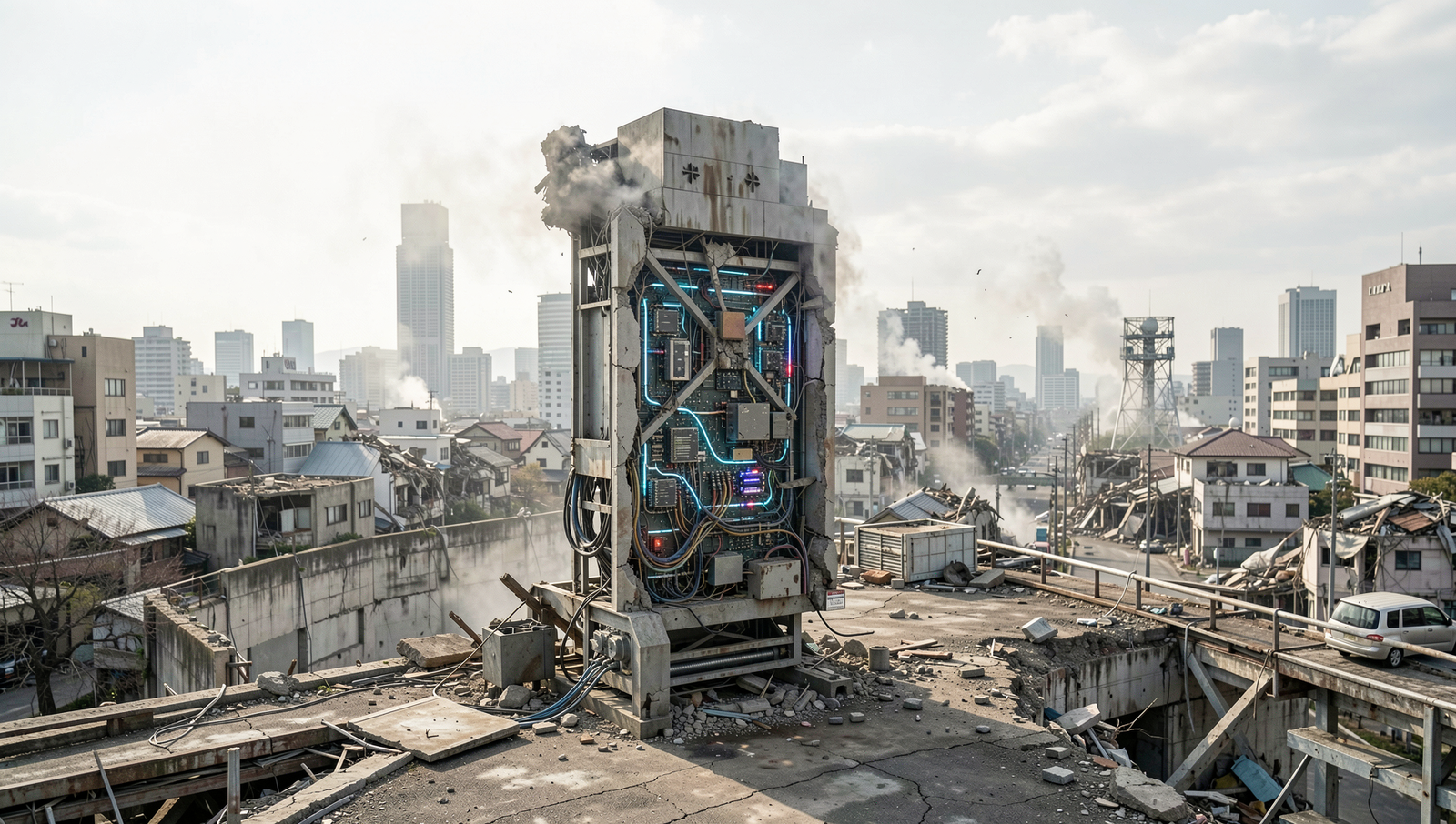
Innovative technology safeguarding cities from earthquakes in Japan.
8 min read • 1,629 words
Table of Contents
ToggleJapan Earthquake Technology: New Systems Protecting Cities
Japan is at the forefront of earthquake preparedness and response, having developed advanced Japan Earthquake Technology that significantly enhances the safety of its cities. With its geographical location along the Pacific Ring of Fire, Japan experiences frequent seismic activity, making it imperative to implement cutting-edge solutions. This article will explore the innovative systems in place, such as early warning mechanisms that detect earthquakes mere seconds before they strike, allowing residents to take cover and minimize injuries.
Additionally, we will delve into seismic isolation technology, which enables buildings to sway without collapsing, and the integration of real-time data through Japan’s ‘Smart City’ initiatives. These advancements not only improve disaster response but also enhance urban resilience. Furthermore, robotic systems are deployed in disaster zones to assist in search and rescue operations, while earthquake-resistant infrastructure, including bridges and tunnels, is designed to withstand significant tremors. Readers will gain insights into how these technologies are shaping a safer future for urban living in Japan.
Innovative Building Designs and Materials
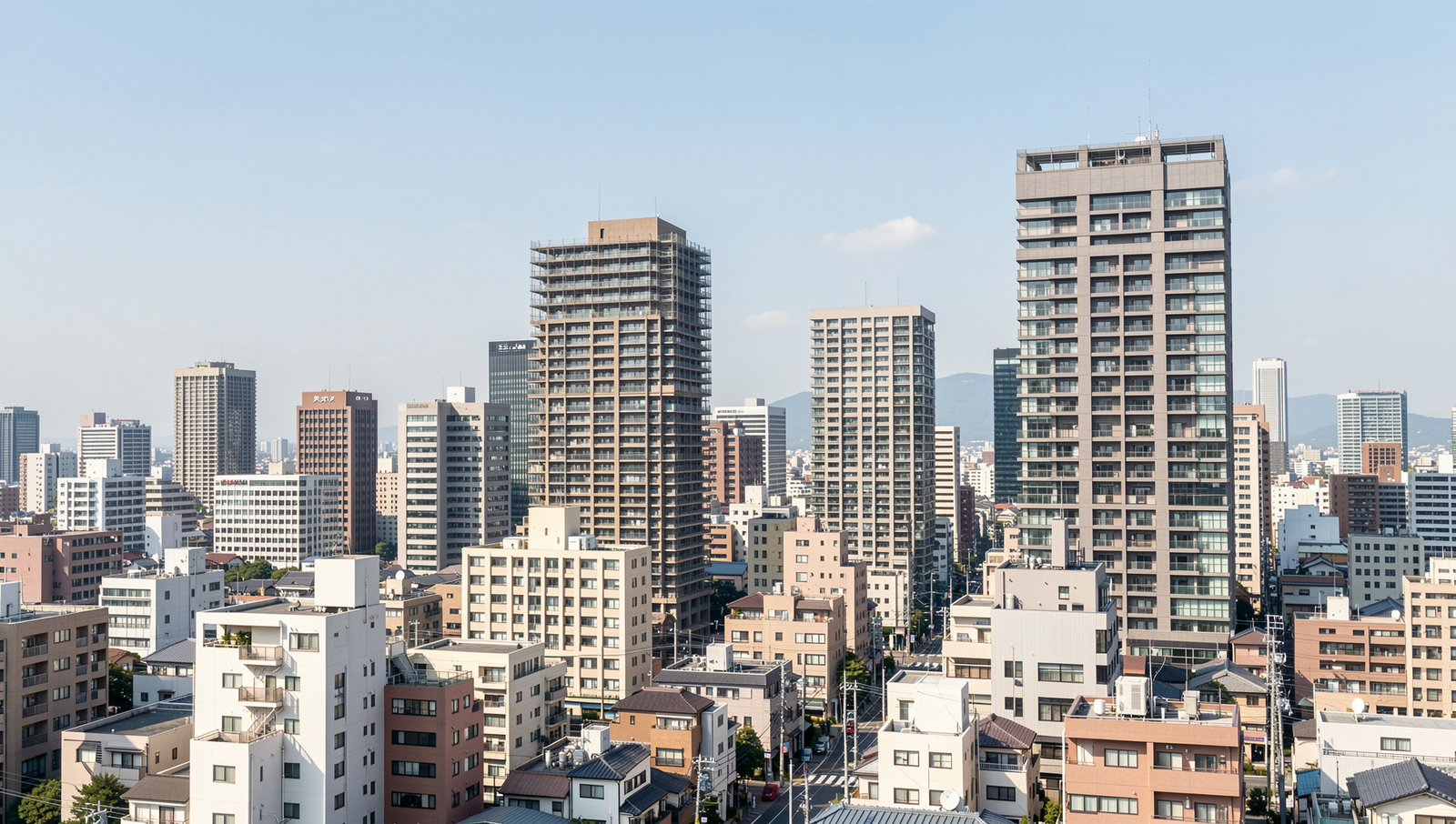
Japan has long been at the forefront of earthquake technology, particularly in the realm of innovative building designs and materials. The country’s unique geographical location makes it susceptible to seismic activity, prompting architects and engineers to develop advanced solutions that enhance the resilience of urban structures. One of the most significant advancements is the use of flexible building materials that can absorb seismic energy, allowing buildings to sway without collapsing during an earthquake.
Flexible materials, such as rubber and certain polymers, are integrated into the construction of buildings to provide a cushioning effect. This innovation helps to dissipate the energy generated by seismic waves, reducing the stress on structural components. Additionally, the introduction of base isolation systems in skyscrapers has revolutionized how tall buildings respond to earthquakes. These systems involve placing a building on flexible bearings or pads that allow it to move independently of ground motion, significantly minimizing the forces transmitted to the structure.
Advancements in reinforced concrete and steel structures have also played a crucial role in enhancing earthquake resistance. Engineers are now using high-strength materials that offer improved ductility and tensile strength, allowing buildings to withstand greater forces without failing. For instance, the Tokyo Skytree, one of the tallest structures in the world, employs a combination of advanced materials and design techniques that enable it to endure severe seismic events.
- Tokyo Skytree: Utilizes a unique seismic design that incorporates a central core and a tuned mass damper to reduce sway.
- Shimizu Corporation’s earthquake-resistant buildings: Focus on modular construction techniques that allow for rapid assembly and enhanced flexibility.
- Rokko Island in Kobe: Features buildings designed with base isolation systems that effectively protect against seismic shocks.
These case studies exemplify how Japan Earthquake Technology is not only about survival but also about creating a sustainable urban environment that can thrive despite natural disasters.
Smart Infrastructure and Early Warning Systems
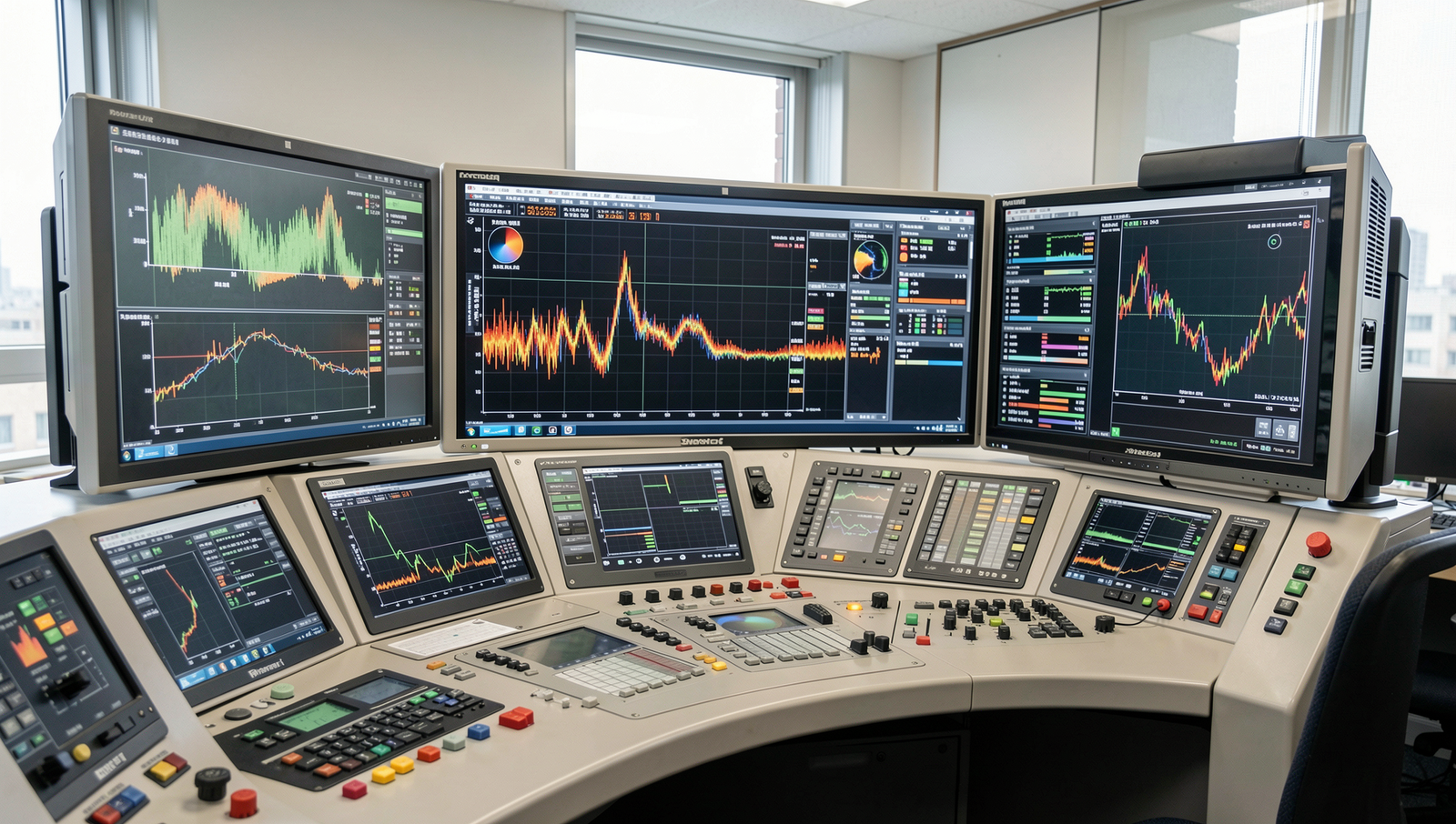
Japan is at the forefront of earthquake technology, implementing advanced systems designed to protect its cities from seismic disasters. One of the key components of this technology is the deployment of seismic sensors and monitoring systems throughout urban areas. These sensors are strategically placed in buildings, bridges, and other critical infrastructure to detect ground movement in real-time. When an earthquake occurs, these sensors can provide immediate data that is crucial for emergency response teams.
In addition to seismic sensors, the development of real-time data analysis for earthquake prediction has become a game-changer. By analyzing data collected from various sources, including seismic activity and historical patterns, scientists can improve the accuracy of earthquake forecasts. This predictive capability allows cities to implement safety measures and alerts before a quake strikes, potentially saving lives and minimizing damage.
The integration of Internet of Things (IoT) technology into urban infrastructure further enhances Japan’s earthquake preparedness. IoT devices can communicate with each other and central systems, providing a comprehensive view of the city’s structural health. For example, smart buildings equipped with IoT sensors can automatically lock doors, shut off gas lines, and activate emergency lighting when an earthquake is detected, ensuring the safety of occupants.
- Tokyo: The capital city utilizes a sophisticated network of seismic sensors and real-time data analysis to monitor earthquake risks.
- Osaka: This city has implemented smart technology in public transportation systems to ensure safety during seismic events.
- Kobe: After the devastating earthquake in 1995, Kobe has become a model for smart infrastructure, incorporating advanced monitoring systems in its rebuilding efforts.
Through these innovative approaches, Japan continues to lead the way in earthquake technology, ensuring that its cities are better prepared for the inevitable seismic challenges ahead.
Community Preparedness and Education
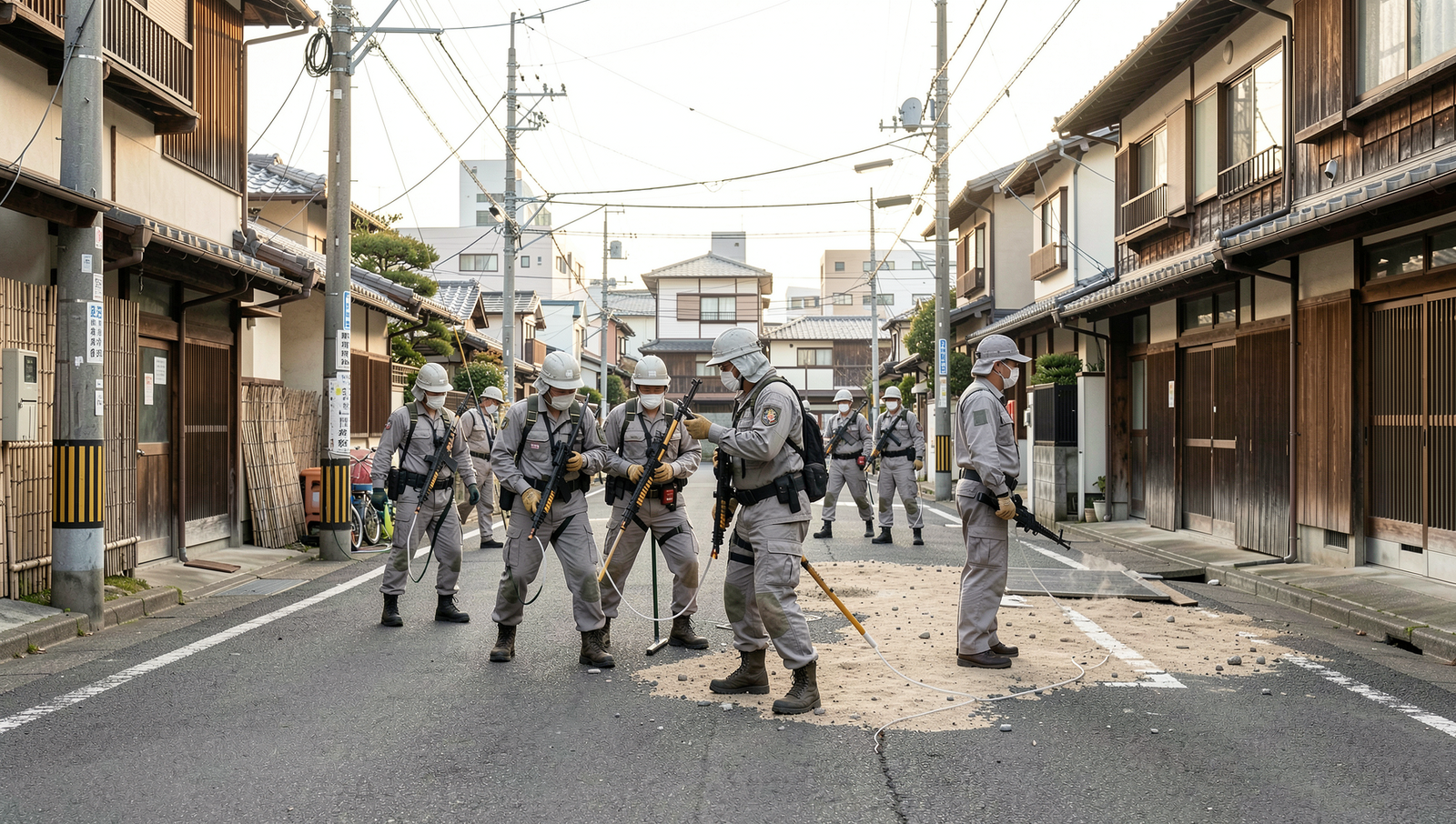
In Japan, where earthquakes are a frequent natural disaster, community preparedness and education play a crucial role in minimizing the impact of seismic events. Public awareness campaigns are essential for educating citizens about earthquake safety measures. These initiatives aim to inform the population about the risks associated with earthquakes and the steps they can take to protect themselves and their families.
Training programs for emergency response and evacuation are vital components of community preparedness. Local governments often organize workshops and seminars that teach residents how to respond effectively during an earthquake. These programs cover various topics, including first aid, search and rescue techniques, and the proper use of emergency equipment. By equipping citizens with these skills, communities can enhance their resilience in the face of disasters.
Community drills and simulations are another effective strategy for preparedness. Regularly scheduled earthquake drills allow residents to practice evacuation routes and emergency procedures in a controlled environment. These drills not only reinforce the knowledge gained from training programs but also help to identify potential weaknesses in emergency response plans. For instance, a community might discover that certain evacuation routes are blocked or that communication systems need improvement during these exercises.
Collaboration between government agencies and non-governmental organizations (NGOs) is essential for fostering a culture of preparedness. By working together, these entities can develop comprehensive education programs and resources tailored to the specific needs of communities. For example, NGOs often provide materials and support for local schools to implement earthquake safety curricula, ensuring that children learn about preparedness from an early age.
- Public awareness campaigns to educate citizens
- Training programs for emergency response
- Regular community drills and simulations
- Collaboration between government and NGOs
Through these combined efforts, Japan is making significant strides in enhancing community preparedness and resilience against earthquakes, ultimately saving lives and reducing damage during seismic events.
Conclusion
Japan Earthquake Technology has made significant strides in protecting urban areas from the devastating impacts of seismic events. The integration of advanced early warning systems, seismic-resistant infrastructure, and innovative building designs has proven effective in minimizing damage and saving lives. By leveraging cutting-edge technology, cities can better prepare for earthquakes, ensuring that both residents and infrastructure are safeguarded. These advancements not only enhance public safety but also contribute to the resilience of communities, allowing them to recover more swiftly after an earthquake.
Looking ahead, the continued development and implementation of Japan Earthquake Technology will be crucial as urban populations grow and climate change increases the frequency of natural disasters. Collaboration between government agencies, private sectors, and research institutions will be essential in refining these technologies and expanding their reach. By investing in research and education, Japan can lead the way in earthquake preparedness, setting a global standard for other nations to follow in safeguarding their cities against seismic threats.
Real-World Examples
Japan Earthquake Technology has made significant strides in protecting urban areas from the devastating effects of seismic activity. Various cities across Japan have implemented innovative systems that not only enhance safety but also improve the resilience of infrastructure. One notable example is the deployment of advanced seismic isolation systems in buildings. These systems allow structures to move independently of ground motion, significantly reducing the impact of earthquakes. For instance, the Tokyo Skytree, one of the tallest structures in the world, utilizes a base isolation system that absorbs seismic waves, ensuring the safety of its occupants.
Another practical application of Japan Earthquake Technology can be seen in the development of early warning systems. The Japan Meteorological Agency (JMA) has established a nationwide network of seismic sensors that can detect the initial tremors of an earthquake. Within seconds, these sensors send alerts to residents and businesses, allowing them to take cover or shut down critical operations. In 2011, during the Great East Japan Earthquake, this system played a crucial role in saving lives by providing valuable seconds for people to prepare for the impending shock.
Furthermore, cities like Kobe have integrated smart technology into their disaster response plans. For example, the use of drones for aerial surveys and damage assessments has become increasingly common. After an earthquake, drones can quickly assess infrastructure damage, enabling emergency services to prioritize their response efforts. This technology not only speeds up recovery but also ensures that resources are allocated efficiently.
Additionally, community engagement plays a vital role in the effectiveness of Japan Earthquake Technology. Educational programs and drills are regularly conducted in schools and neighborhoods to prepare citizens for potential earthquakes. These initiatives empower residents with knowledge about safety protocols and the use of technology during emergencies, fostering a culture of preparedness.
In summary, the practical applications of Japan Earthquake Technology are evident in various systems and initiatives that enhance urban safety. From advanced building designs to early warning systems and community preparedness programs, Japan continues to lead the way in earthquake resilience, setting a benchmark for other earthquake-prone regions around the world.
Frequently Asked Questions
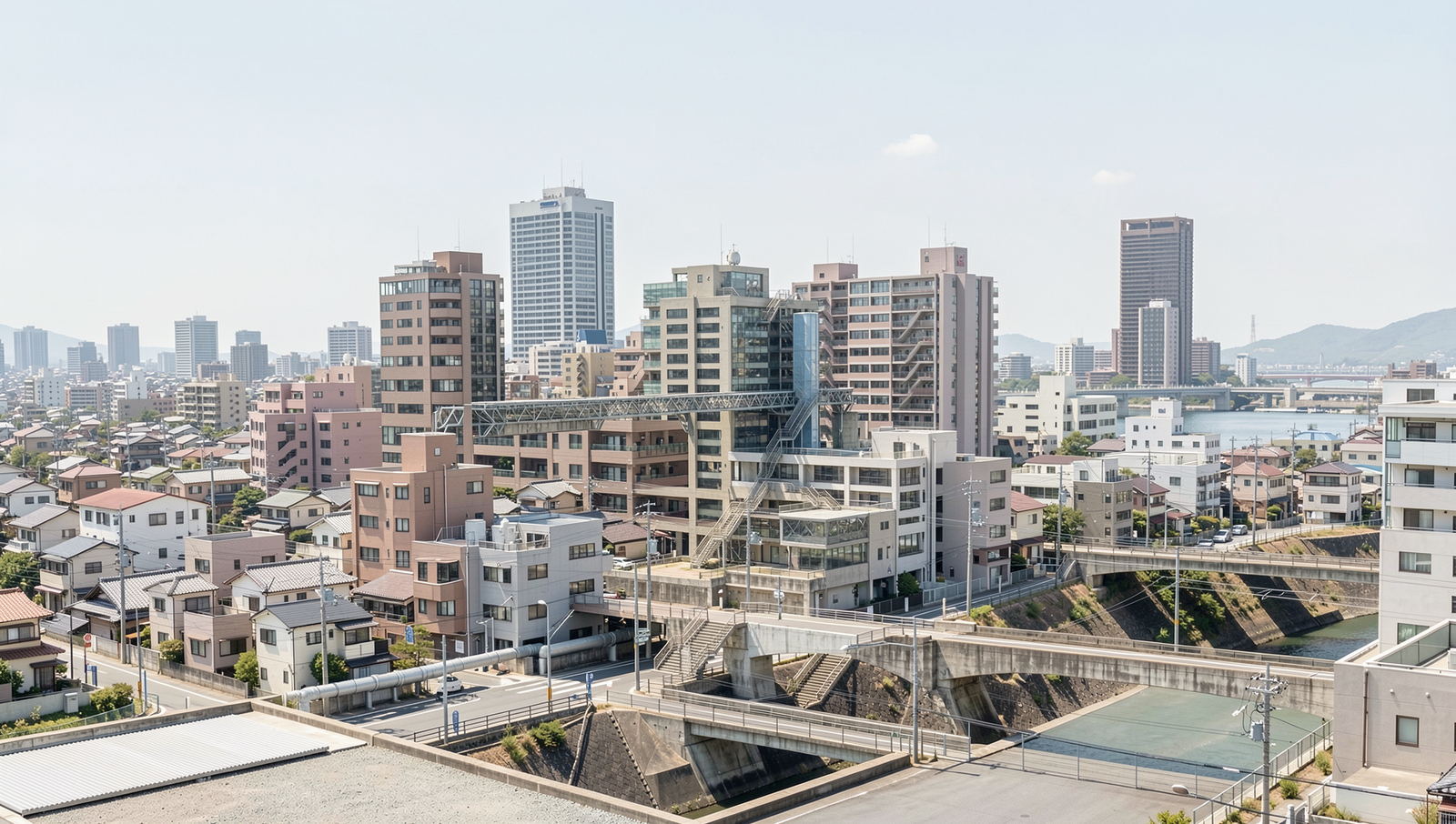
What technologies are used to protect cities from earthquakes in Japan?
Japan employs a
About the Author