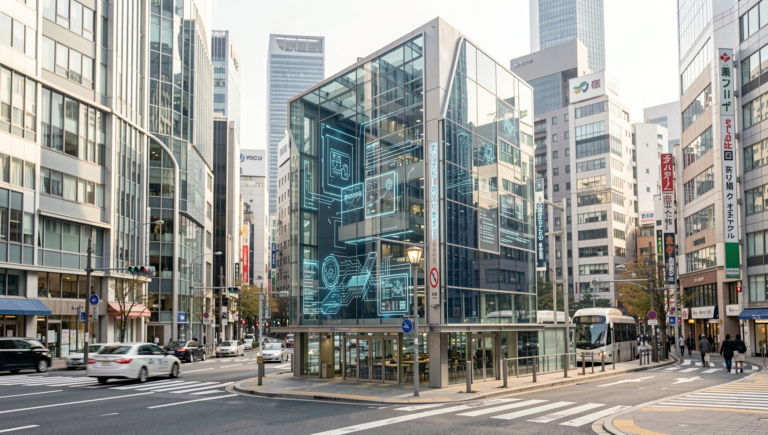
Japan Manufacturing AI: Factories Enter a New Era
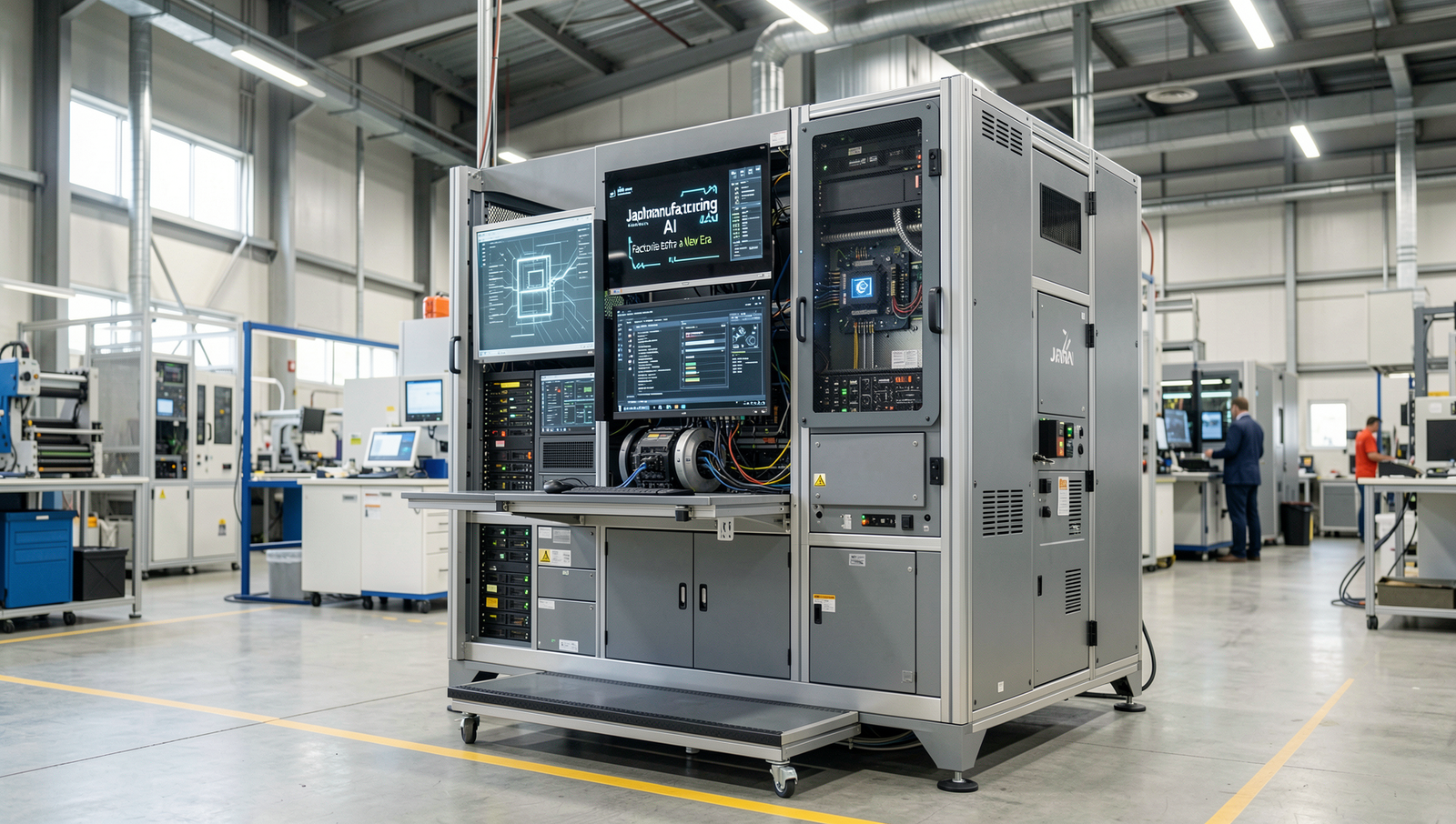
Japan's factories embrace AI for a new manufacturing era.
8 min read • 1,625 words
Table of Contents
ToggleJapan Manufacturing AI: Factories Enter a New Era
Japan’s manufacturing sector is on the brink of a transformative shift as it increasingly embraces AI technologies to enhance productivity and efficiency. This evolution is not just a trend; it represents a critical response to the challenges faced by manufacturers in a competitive global market. As factories integrate AI-driven solutions, they are witnessing remarkable improvements, such as a reduction in production time by up to 30%. This article will explore the significance of Japan Manufacturing AI, highlighting how it is reshaping the landscape of industrial operations.
With over 60% of Japanese manufacturers planning to implement AI solutions by 2025, the urgency for innovation is palpable. Additionally, AI applications in quality control have already resulted in a 20% decrease in defects, showcasing the technology’s potential to enhance product quality. Japan’s commitment to investing over $1 billion in AI research for manufacturing innovations underscores the importance of this shift, positioning the country as a leader in the future of manufacturing.
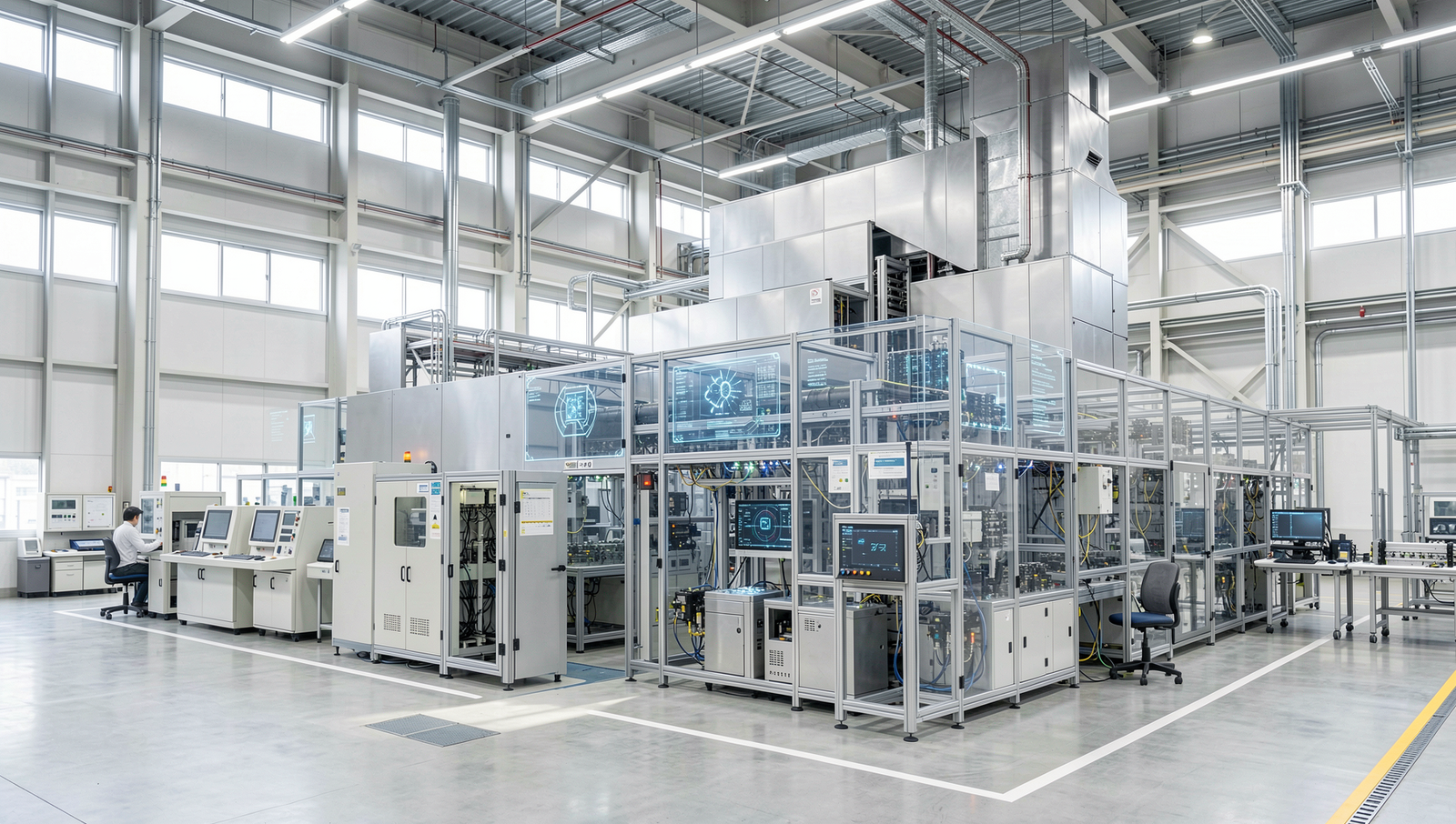
Introduction to AI in Japanese Manufacturing
Japan has long been recognized as a global leader in manufacturing, renowned for its precision engineering, innovative technologies, and high-quality production standards. The country’s manufacturing landscape has evolved significantly over the decades, transitioning from traditional methods to advanced technological solutions. Today, the integration of artificial intelligence (AI) is revolutionizing the way factories operate, marking the dawn of a new era in Japan Manufacturing AI.
The importance of AI technology in modern factories cannot be overstated. AI enables manufacturers to optimize production processes, enhance quality control, and reduce operational costs. By leveraging machine learning algorithms and data analytics, companies can predict equipment failures, streamline supply chains, and improve overall efficiency. This shift not only boosts productivity but also allows for greater flexibility in responding to market demands.
Historically, Japan’s manufacturing sector has been characterized by its commitment to continuous improvement, known as “Kaizen.” This philosophy has driven companies to adopt innovative practices over the years. From the introduction of just-in-time production to the implementation of robotics in assembly lines, Japan has consistently been at the forefront of manufacturing advancements. However, the rise of AI represents a significant leap forward, enabling manufacturers to harness vast amounts of data for smarter decision-making.
Current trends in Japan’s manufacturing industry reveal a growing emphasis on automation and digital transformation. Many factories are now equipped with AI-driven systems that can analyze real-time data to optimize workflows. However, the industry faces several challenges, including a shortage of skilled labor and the need for substantial investment in technology. Moreover, as manufacturers strive to integrate AI, they must also address concerns regarding cybersecurity and data privacy.
- Increased efficiency through predictive maintenance.
- Enhanced quality control with AI-driven inspections.
- Streamlined supply chains using data analytics.
As Japan Manufacturing AI continues to evolve, it holds the promise of not only transforming factories but also redefining the future of the manufacturing sector as a whole.
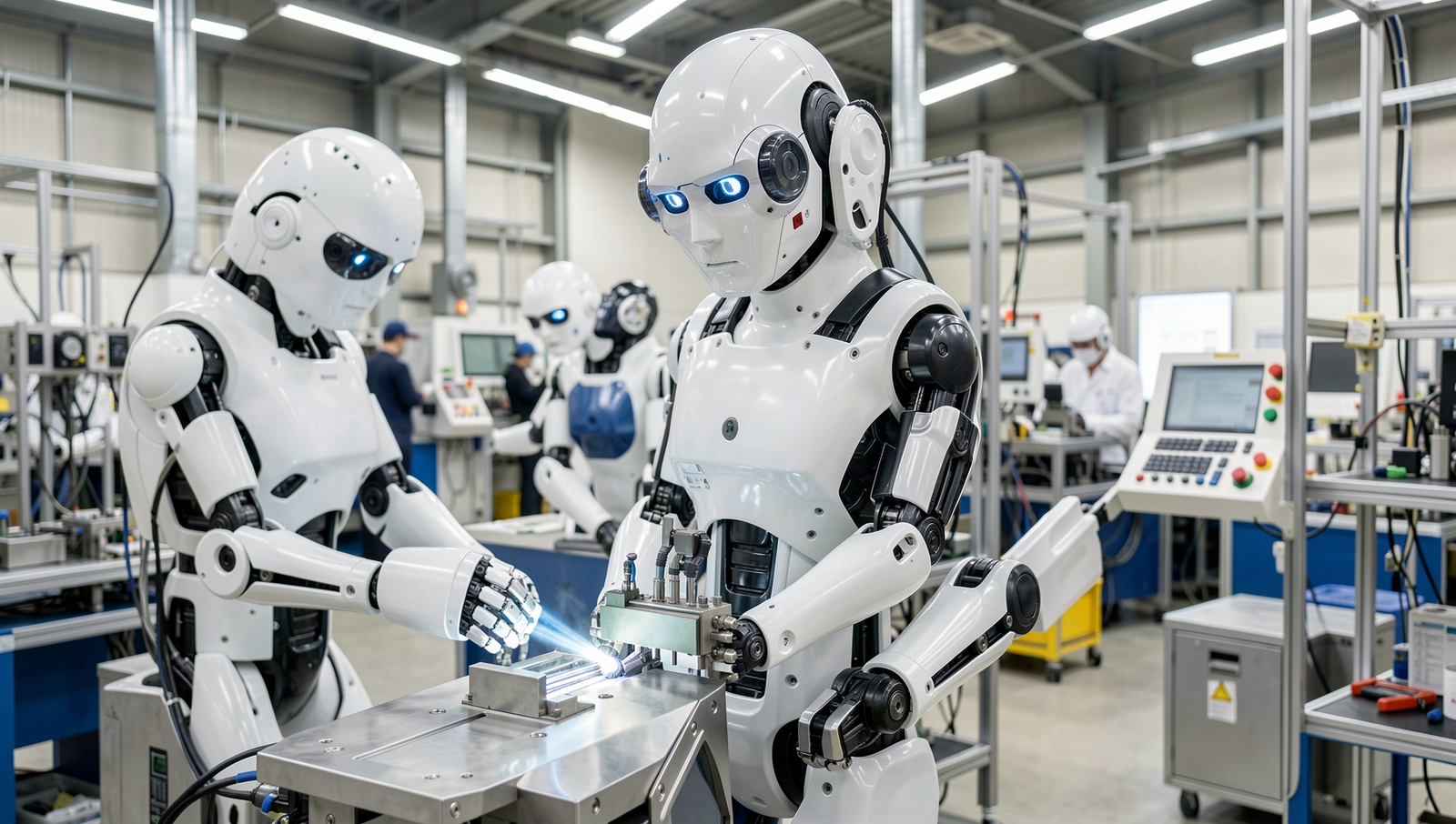
Key Technologies Driving AI Adoption
Japan’s manufacturing sector is undergoing a significant transformation, driven by the integration of advanced technologies. At the forefront of this revolution are several key technologies that are enhancing efficiency, reducing costs, and improving product quality. These technologies include machine learning algorithms for predictive maintenance, robotics and automation in production lines, IoT devices for real-time data collection, and AI-driven supply chain optimization.
One of the most impactful technologies is machine learning algorithms for predictive maintenance. By analyzing historical data and identifying patterns, these algorithms can predict when a machine is likely to fail. This proactive approach allows manufacturers to schedule maintenance before a breakdown occurs, minimizing downtime and saving costs. For example, a leading automotive manufacturer in Japan implemented a machine learning system that reduced machine downtime by 30%, significantly boosting productivity.
Another critical technology is robotics and automation in production lines. Advanced robots equipped with AI capabilities can perform complex tasks with precision and speed. These robots not only enhance production efficiency but also ensure higher quality standards. For instance, a Japanese electronics company has deployed collaborative robots (cobots) that work alongside human workers, increasing assembly line output while maintaining safety and flexibility.
The use of IoT devices for real-time data collection is also transforming manufacturing processes. These devices collect data from machines and production lines, providing manufacturers with insights into operational performance. This real-time data enables quick decision-making and helps identify areas for improvement. A notable example is a Japanese textile manufacturer that uses IoT sensors to monitor equipment health, leading to a 20% increase in operational efficiency.
Finally, AI-driven supply chain optimization is revolutionizing how manufacturers manage their logistics and inventory. By leveraging AI algorithms, companies can forecast demand more accurately and optimize inventory levels. This not only reduces costs but also enhances customer satisfaction by ensuring timely delivery. A prominent example is a Japanese food manufacturer that utilized AI to streamline its supply chain, resulting in a 15% reduction in logistics costs.
Case Studies of AI Implementation
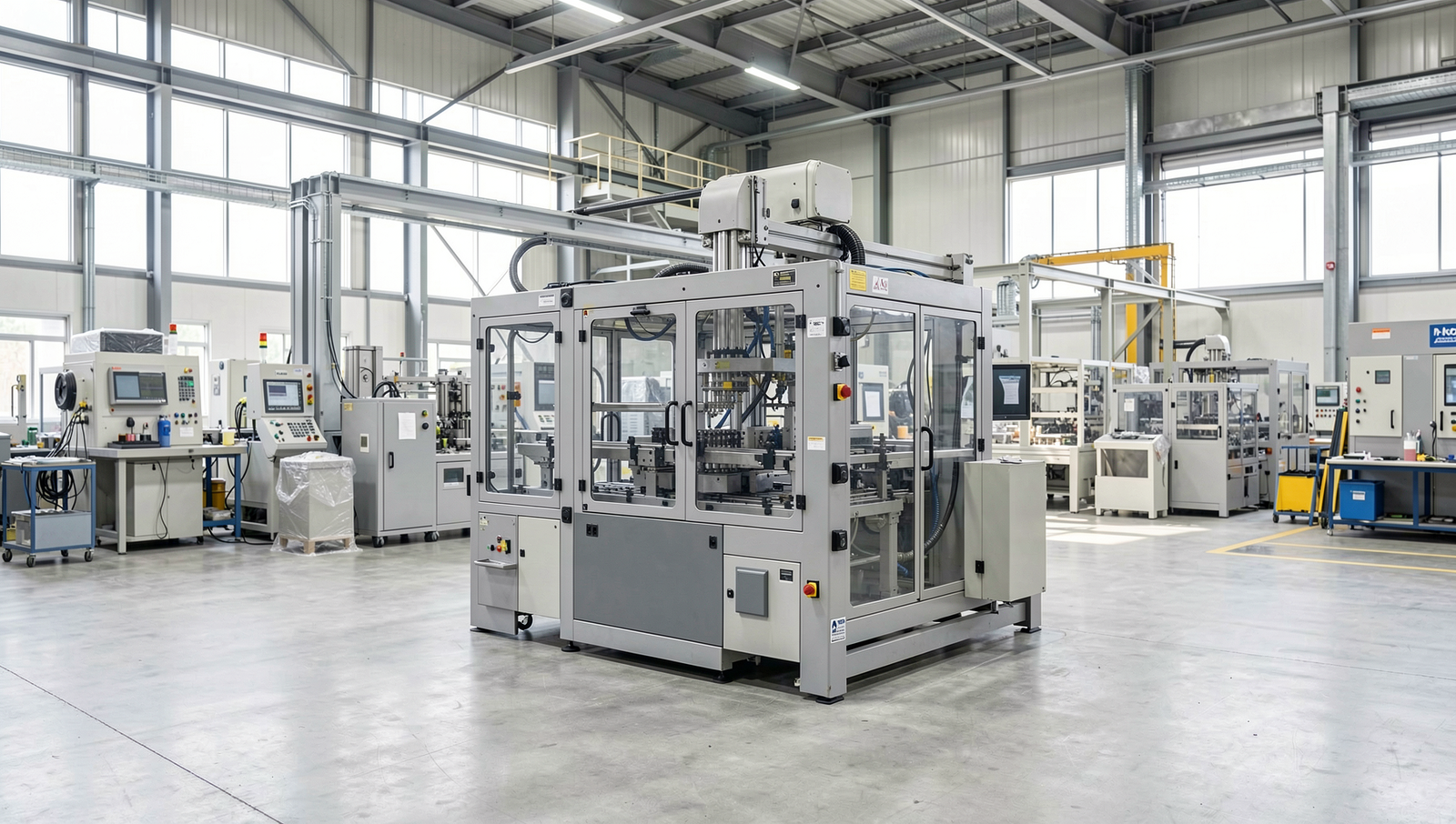
Japan has long been a leader in manufacturing, and the integration of AI technologies is ushering in a new era of efficiency and productivity. Several leading manufacturers have successfully implemented AI solutions, showcasing the transformative potential of this technology.
One notable success story comes from Toyota, which has integrated AI into its production lines to enhance quality control and reduce waste. By utilizing machine learning algorithms, Toyota can predict potential defects in real-time, allowing for immediate corrective actions. This proactive approach has led to a significant reduction in production downtime and improved overall product quality.
Similarly, Panasonic has adopted AI-driven robotics in its factories. These robots are equipped with advanced sensors and AI capabilities, enabling them to perform complex tasks with precision. As a result, Panasonic has seen a marked increase in productivity, with some factories reporting efficiency gains of up to 30% since the implementation of AI technologies.
- Impact on Productivity: AI has streamlined operations, leading to faster production cycles and reduced labor costs.
- Efficiency Gains: Manufacturers report improved resource management and waste reduction, contributing to sustainability efforts.
However, the journey toward AI integration has not been without challenges. Many companies faced resistance from employees who were concerned about job security. Additionally, the initial investment in AI infrastructure can be substantial, and companies must navigate the complexities of data management and cybersecurity.
Lessons learned from these implementations highlight the importance of employee training and engagement. Successful companies have prioritized upskilling their workforce to work alongside AI technologies, fostering a culture of collaboration rather than competition.
Looking ahead, the future of Japan Manufacturing AI appears promising. As technology continues to evolve, manufacturers are likely to explore even more innovative applications of AI, further enhancing their competitive edge in the global market.
Future Outlook for AI in Japanese Manufacturing
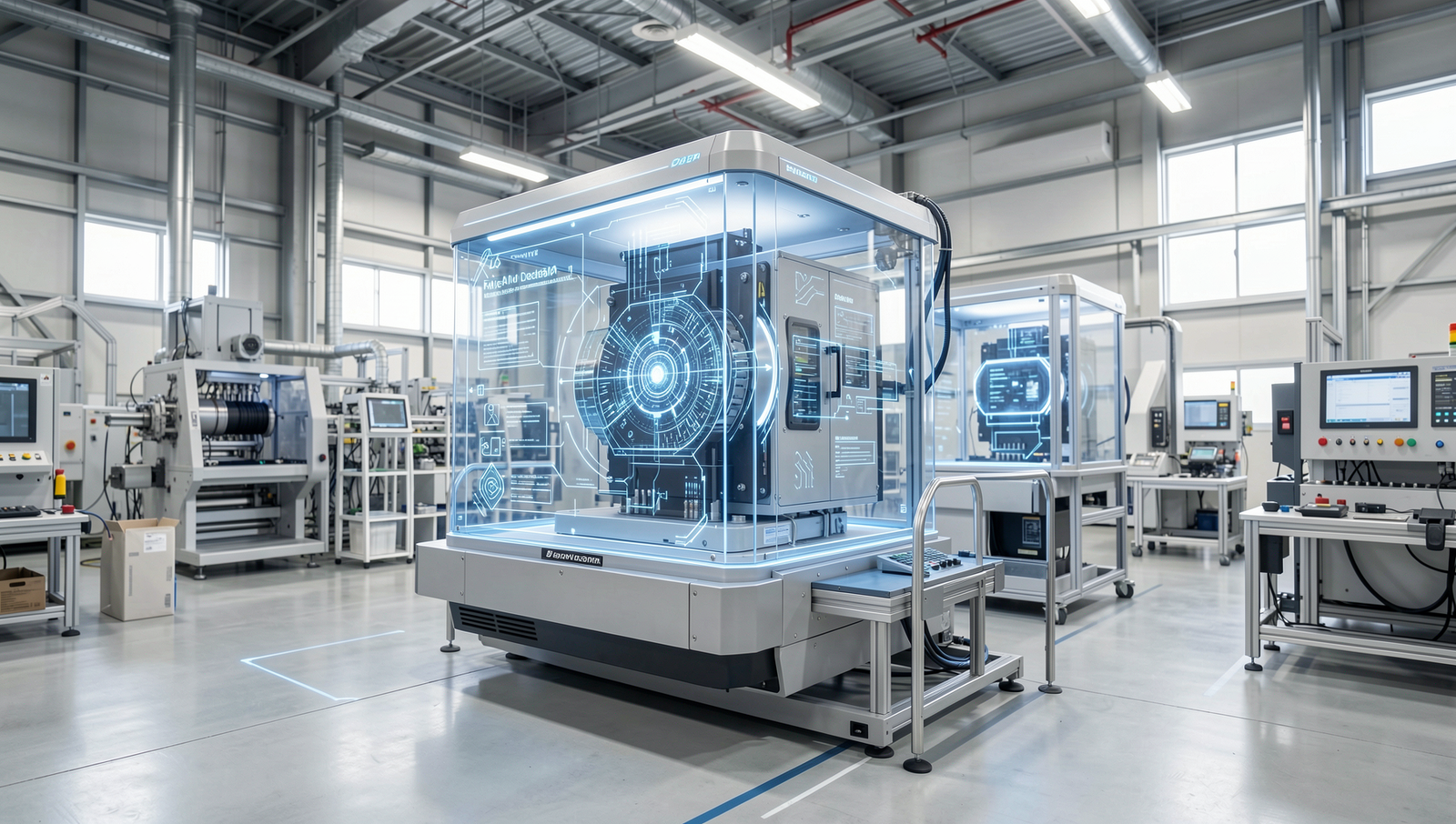
The future of Japan Manufacturing AI is poised for significant advancements over the next decade. Experts predict that AI technologies will become increasingly sophisticated, enabling factories to operate with greater efficiency and precision. Innovations such as machine learning, predictive analytics, and robotics are expected to transform traditional manufacturing processes. For instance, AI-driven predictive maintenance can minimize downtime by anticipating equipment failures before they occur, thus ensuring uninterrupted production lines.
However, the integration of AI into manufacturing will inevitably impact the workforce and job roles. While some jobs may be displaced due to automation, new roles will emerge that require advanced skills in AI management and data analysis. Workers will need to adapt to these changes by acquiring new competencies, particularly in technology and engineering fields. Training programs and reskilling initiatives will be essential to prepare the workforce for this transition. Companies may also need to rethink their hiring strategies to attract talent with the necessary expertise in AI and data science.
Government policies will play a crucial role in supporting the integration of AI into Japanese manufacturing. The Japanese government has already initiated various programs aimed at promoting AI research and development. These include funding for AI startups, tax incentives for companies adopting AI technologies, and partnerships with academic institutions to foster innovation. Such policies are designed to create a conducive environment for AI growth, ensuring that Japan remains at the forefront of manufacturing technology.
- Investment in AI research and development.
- Support for workforce training and reskilling programs.
- Collaboration between government, industry, and academia.
Moreover, the global competitiveness of Japan’s manufacturing sector will depend on its ability to leverage AI effectively. As other countries also invest in AI technologies, Japan must innovate continuously to maintain its leadership position. By embracing AI, Japanese manufacturers can enhance productivity, reduce costs, and improve product quality, ensuring they remain competitive in the global market.
Conclusion
Japan Manufacturing AI represents a significant shift in the industrial landscape, ushering in a new era of efficiency and innovation. By integrating artificial intelligence into manufacturing processes, Japanese factories are not only enhancing productivity but also improving quality control and reducing operational costs. The ability to analyze vast amounts of data in real-time allows for predictive maintenance, minimizing downtime and maximizing output. As a result, companies can respond more swiftly to market demands, ensuring they remain competitive in a global economy.
Looking ahead, the next steps for Japan Manufacturing AI involve further investment in technology and workforce training. As industries continue to embrace AI, it is crucial to develop skilled professionals who can operate and maintain these advanced systems. Collaboration between government, academia, and the private sector will be essential to foster innovation and ensure that Japan remains at the forefront of manufacturing excellence. The future of manufacturing in Japan is bright, driven by the transformative power of AI.
Frequently Asked Questions
What is Japan Manufacturing AI?
Japan Manufacturing AI
About the Author