Japan Weather Technology: How AI Is Improving Disaster Forecasts
AI-driven weather technology enhancing disaster forecasts in Japan.
8 min read • 1,636 words
Table of Contents
ToggleJapan Weather Technology: How AI Is Improving Disaster Forecasts
Japan is at the forefront of integrating advanced technology into its weather forecasting systems, particularly through the use of artificial intelligence (AI). As a nation frequently affected by natural disasters such as typhoons, floods, and earthquakes, the importance of accurate and timely weather predictions cannot be overstated. This article explores how Japan Weather Technology is leveraging AI to enhance disaster preparedness and response. Readers will learn about the innovative methods being employed to predict severe weather events with greater precision, ultimately saving lives and minimizing damage.
AI models are revolutionizing the way meteorologists predict typhoons, significantly reducing response times for evacuations. Additionally, machine learning algorithms analyze historical weather data to improve flood forecasting capabilities. By integrating real-time data from IoT devices and utilizing AI to analyze satellite imagery, Japan is setting a global standard in disaster management. This article will delve into these technologies and their implications for future weather forecasting.
Introduction to Japan’s Weather Challenges
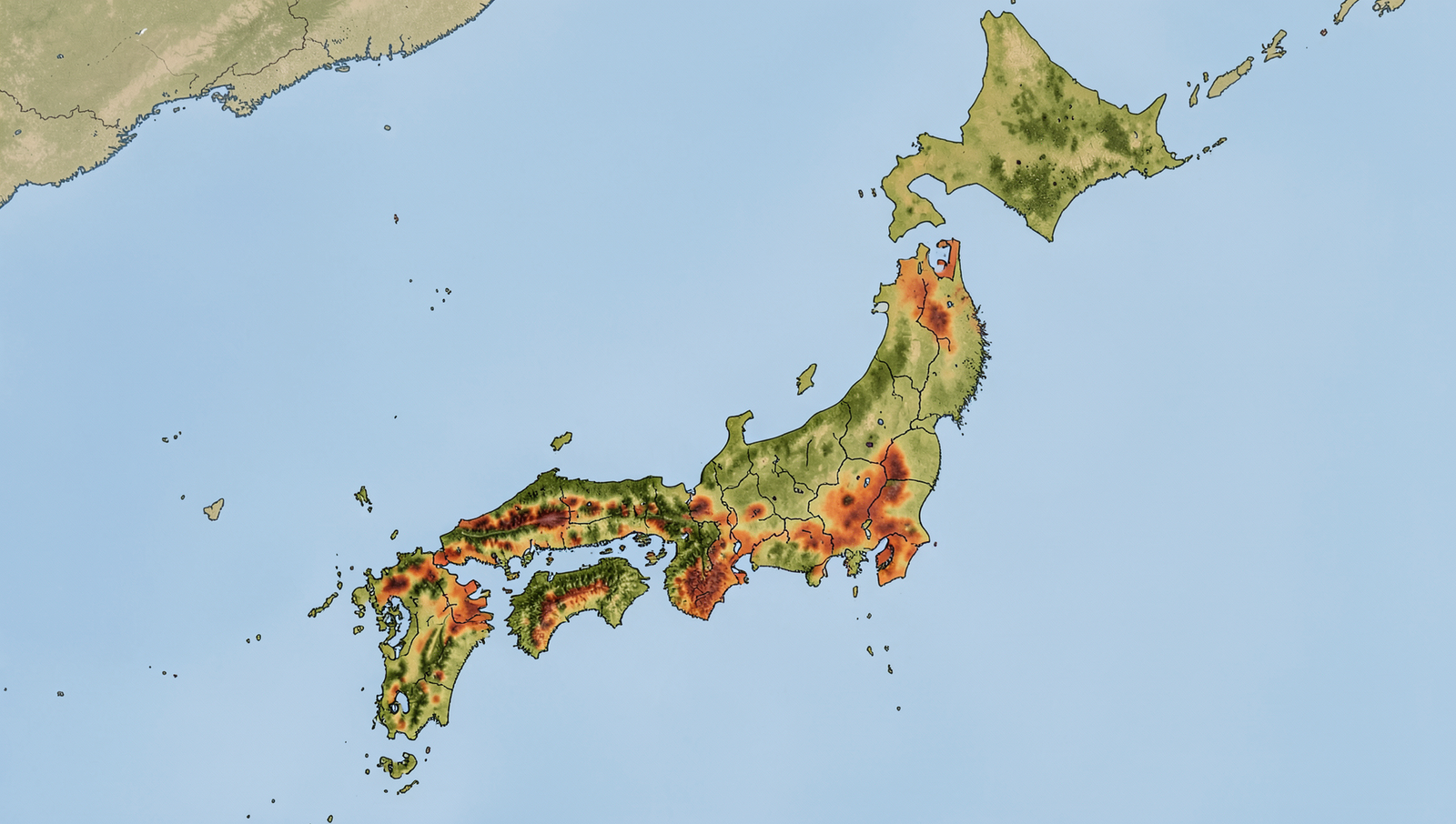
Japan is a nation uniquely positioned in the Pacific Ring of Fire, making it highly susceptible to a variety of natural disasters. The country’s geographical vulnerabilities include frequent earthquakes, typhoons, and heavy rainfall, which can lead to devastating floods and landslides. These natural phenomena pose significant risks to life, infrastructure, and the economy, necessitating advanced weather forecasting technologies to mitigate their impacts.
Historically, Japan has faced numerous catastrophic weather-related disasters. For instance, the Great East Japan Earthquake and Tsunami in 2011 resulted in over 18,000 casualties and widespread destruction. Similarly, Typhoon Hagibis in 2019 caused severe flooding and landslides, affecting millions. These events highlight the critical need for accurate and timely weather forecasts to enhance disaster preparedness and response efforts.
Accurate weather forecasting is essential for several reasons:
- Public Safety: Timely alerts can save lives by allowing residents to evacuate or take necessary precautions.
- Infrastructure Protection: Forecasts help in preparing and reinforcing buildings and transportation systems against potential damage.
- Economic Stability: Businesses can prepare for adverse weather conditions, minimizing financial losses.
In recent years, Japan has increasingly turned to technology to improve its weather forecasting capabilities. The integration of artificial intelligence (AI) has revolutionized the way meteorologists analyze data and predict weather patterns. For example, AI algorithms can process vast amounts of meteorological data in real-time, identifying trends and anomalies that may indicate impending disasters. This technological advancement not only enhances the accuracy of forecasts but also speeds up the dissemination of critical information to the public.
The Role of AI in Weather Forecasting
Artificial Intelligence (AI) is revolutionizing the field of weather forecasting, particularly in Japan, where advanced technology is crucial for disaster preparedness. Traditional weather forecasting methods rely heavily on numerical weather prediction models, which use mathematical equations to simulate atmospheric processes. However, these models can be limited by their reliance on historical data and the complexity of atmospheric interactions.
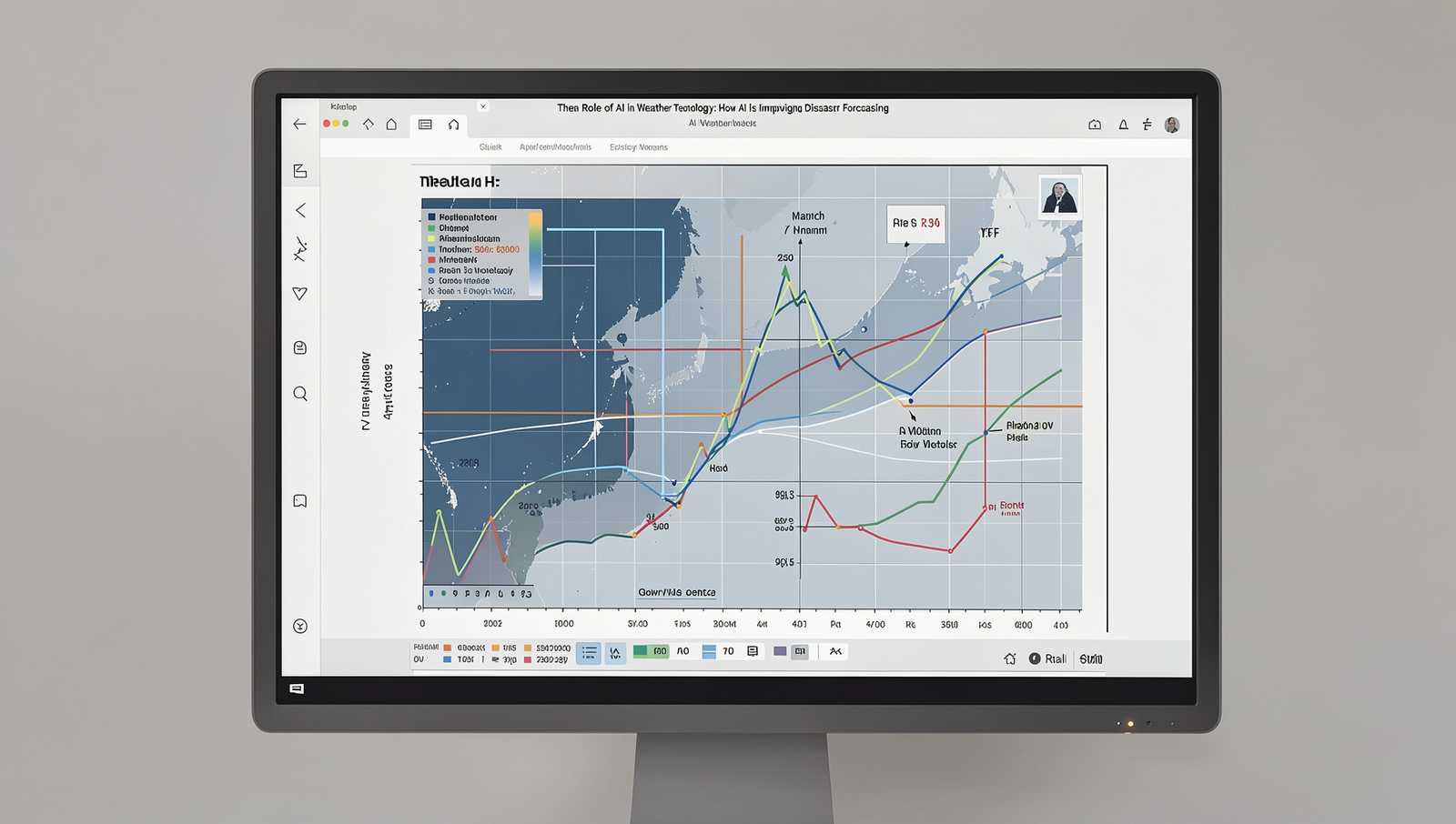
In contrast, AI-driven approaches leverage machine learning algorithms to analyze vast amounts of data from various sources, including satellite imagery, weather stations, and historical weather patterns. By identifying patterns and anomalies, AI can provide more accurate and timely forecasts. For instance, deep learning techniques can process real-time data to predict severe weather events such as typhoons or heavy rainfall with greater precision.
- Data Integration: AI systems can integrate diverse datasets, improving the overall accuracy of predictions.
- Real-time Analysis: Machine learning models can analyze data in real-time, enabling quicker responses to changing weather conditions.
- Predictive Maintenance: AI can help maintain weather monitoring equipment, ensuring that data collection remains reliable.
Several case studies highlight the successful application of AI in weather forecasting in Japan. For example, the Japan Meteorological Agency has implemented AI algorithms to enhance typhoon tracking and prediction accuracy. These systems have significantly reduced the time needed to issue warnings, potentially saving lives and minimizing property damage.
Despite these advancements, challenges remain. AI models require extensive training data, which can be difficult to obtain for rare weather events. Additionally, the complexity of atmospheric systems means that even the most sophisticated AI cannot guarantee 100% accuracy. Nonetheless, the integration of AI into Japan Weather Technology continues to evolve, promising improved disaster preparedness and response capabilities.
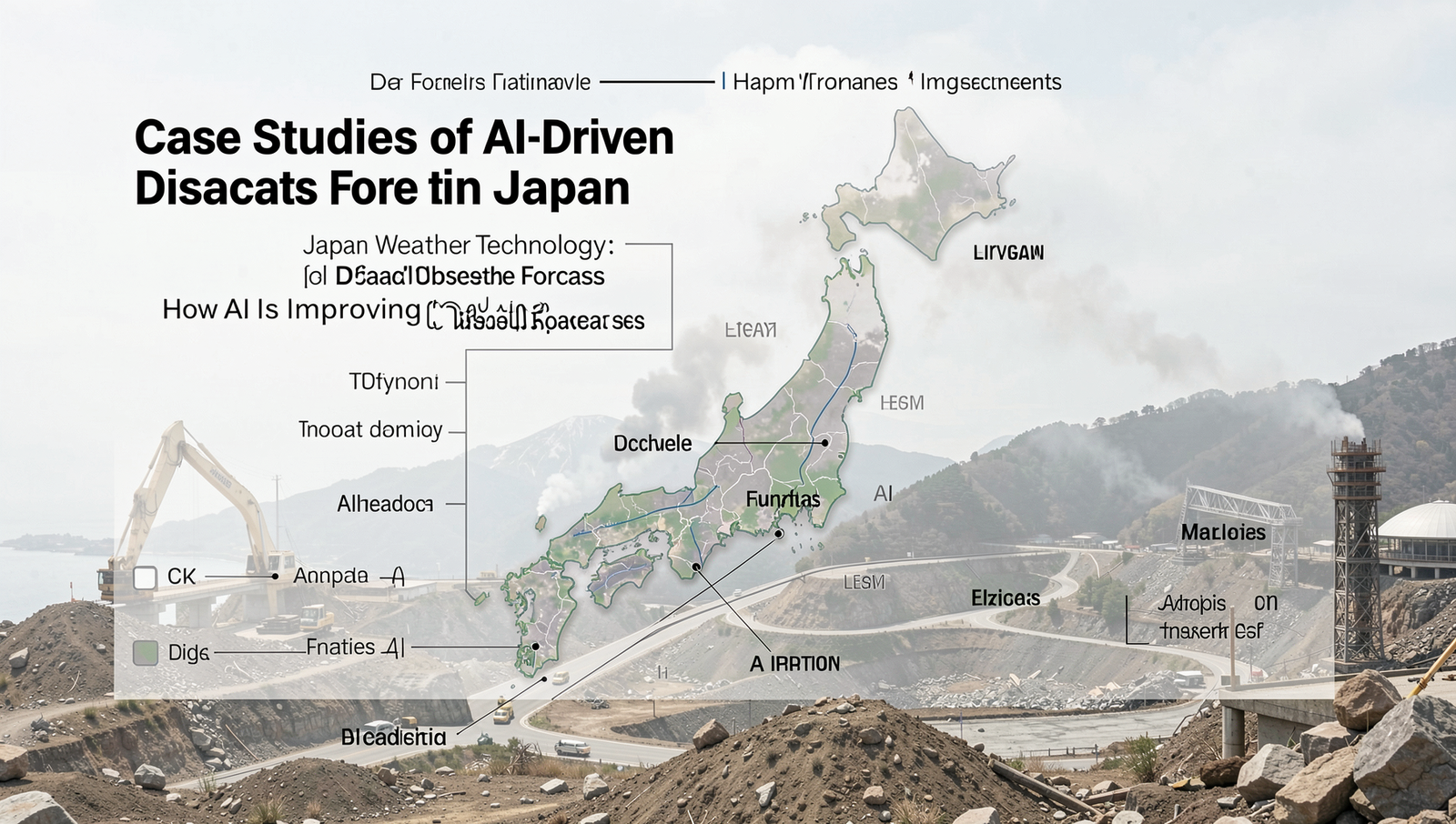
Case Studies of AI-Driven Disaster Forecasts in Japan
Japan has been at the forefront of integrating artificial intelligence into its disaster forecasting systems. Several projects have demonstrated the potential of AI to enhance the accuracy and timeliness of weather predictions, ultimately improving disaster response and recovery efforts. One notable project is the collaboration between the Japan Meteorological Agency (JMA) and various tech companies to develop AI algorithms that analyze vast amounts of meteorological data.
For instance, the use of machine learning models has allowed meteorologists to predict typhoons and heavy rainfall with greater precision. These models utilize historical weather data, satellite imagery, and real-time observations to generate forecasts that are more reliable than traditional methods. As a result, local governments can issue timely warnings, enabling communities to prepare for impending disasters.
Another significant example is the partnership between the Tokyo Metropolitan Government and private tech firms to create an AI-based flood prediction system. This system leverages data from sensors placed throughout the city to monitor rainfall and river levels. By analyzing this information, the AI can forecast potential flooding scenarios and recommend evacuation routes, significantly enhancing public safety.
- Impact on Disaster Response: AI-driven forecasts have led to quicker mobilization of emergency services, reducing response times during crises.
- Collaboration: The synergy between government agencies and tech companies has fostered innovation, leading to more effective disaster management tools.
- Lessons Learned: Recent events have highlighted the importance of continuous data collection and model refinement to improve forecast accuracy.
In summary, Japan’s commitment to leveraging AI in weather technology is transforming the landscape of disaster preparedness and response, setting a benchmark for other nations to follow.
Conclusion
Japan Weather Technology has made significant strides in enhancing disaster forecasts through the integration of artificial intelligence. By leveraging vast amounts of meteorological data, AI algorithms can analyze patterns and predict extreme weather events with greater accuracy. This advancement not only aids in timely alerts for natural disasters such as typhoons and earthquakes but also helps in minimizing the potential impact on communities. The ability to forecast weather-related hazards more effectively is crucial for disaster preparedness and response, ultimately saving lives and reducing economic losses.
Looking ahead, the continued development of AI in Japan Weather Technology promises even greater improvements. Future initiatives may include refining predictive models and expanding data sources to encompass more localized weather phenomena. Collaboration between government agencies, research institutions, and private sectors will be essential in driving innovation. As Japan continues to face the challenges posed by climate change, the role of AI in weather forecasting will become increasingly vital in ensuring safety and resilience for its citizens.
Real-World Examples
Japan has long been at the forefront of weather technology, and recent advancements in artificial intelligence (AI) have further enhanced its capabilities in disaster forecasting. One notable example is the collaboration between the Japan Meteorological Agency (JMA) and various tech companies to develop AI-driven predictive models. These models utilize vast amounts of data, including satellite imagery, historical weather patterns, and real-time sensor data, to improve the accuracy of forecasts.
One practical application of this technology is in the prediction of typhoons. Japan experiences numerous typhoons each year, and the ability to predict their paths and potential impact is crucial for public safety. AI algorithms analyze data from multiple sources to provide more precise forecasts, allowing authorities to issue timely warnings and prepare for potential evacuations. For instance, during Typhoon Hagibis in 2019, AI-enhanced models helped predict the storm’s trajectory, enabling local governments to take proactive measures to protect residents.
Another example is the use of AI in earthquake prediction. While predicting earthquakes remains a complex challenge, researchers in Japan are leveraging machine learning to analyze seismic data. By identifying patterns in tremor activity, these systems can provide early warnings, giving people crucial seconds to take cover. For instance, the Tokyo-based startup, QuakeFinder, has developed an AI-based system that monitors seismic activity and sends alerts to residents in real-time.
In addition to natural disasters, Japan Weather Technology is also being utilized in agriculture. Farmers are using AI-driven weather forecasts to optimize planting and harvesting schedules. By analyzing weather patterns and predicting rainfall, farmers can make informed decisions that enhance crop yields and reduce losses. For example, the Smart Agriculture project in Hokkaido employs AI to provide localized weather forecasts, helping farmers adapt to changing conditions and improve their productivity.
These real-world examples illustrate how Japan is harnessing the power of AI to enhance its weather technology, ultimately leading to better disaster preparedness and response. As these technologies continue to evolve, they promise to play an even more significant role in safeguarding lives and property against the forces of nature.
Frequently Asked Questions
How is AI used in weather forecasting in Japan?
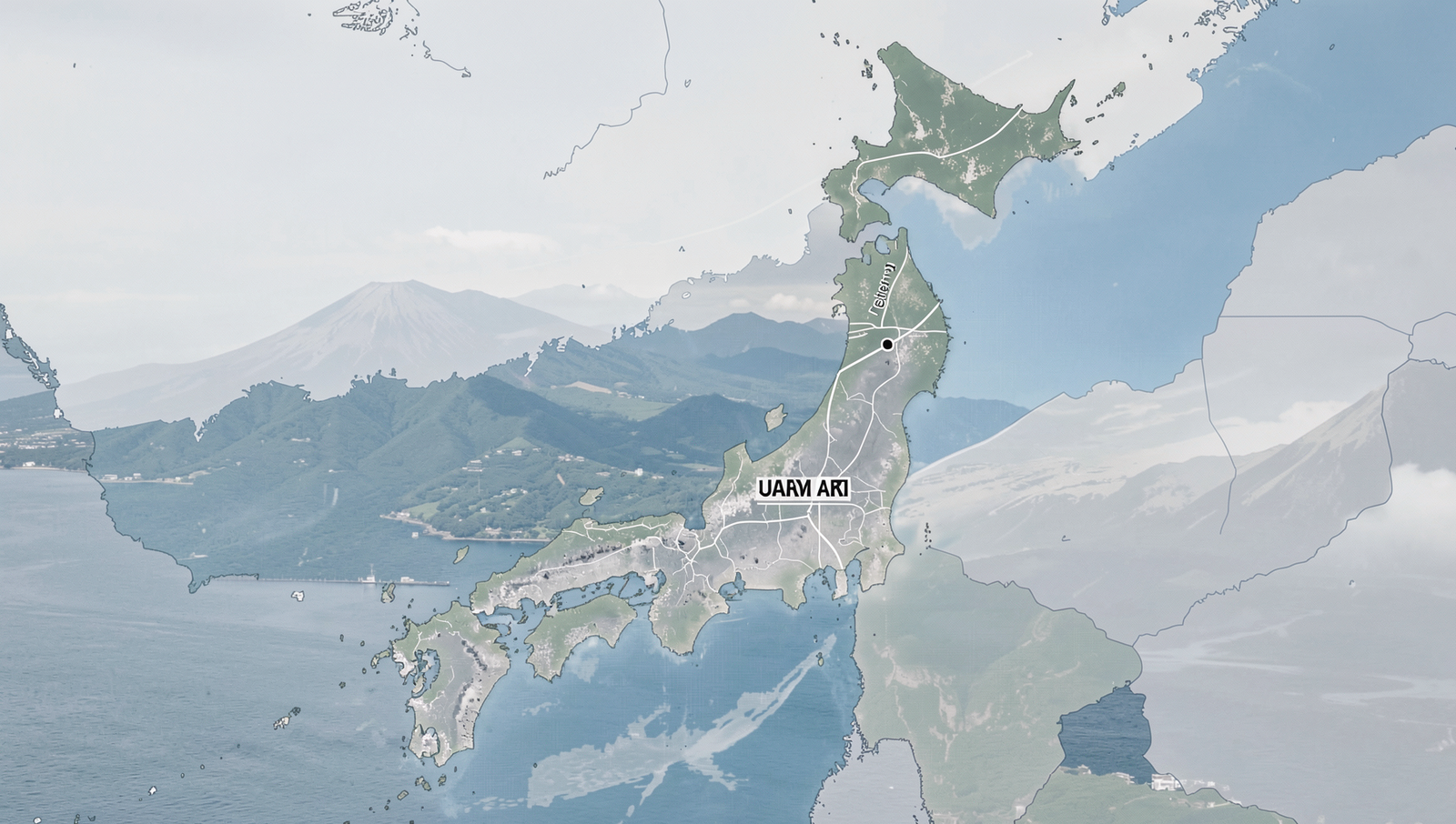
AI is utilized in Japan’s weather forecasting by analyzing vast amounts of meteorological data. Machine learning algorithms identify patterns and trends, enhancing the accuracy of predictions. This technology allows meteorologists to provide timely and precise forecasts, crucial for public safety.
What types of disasters can AI help predict?
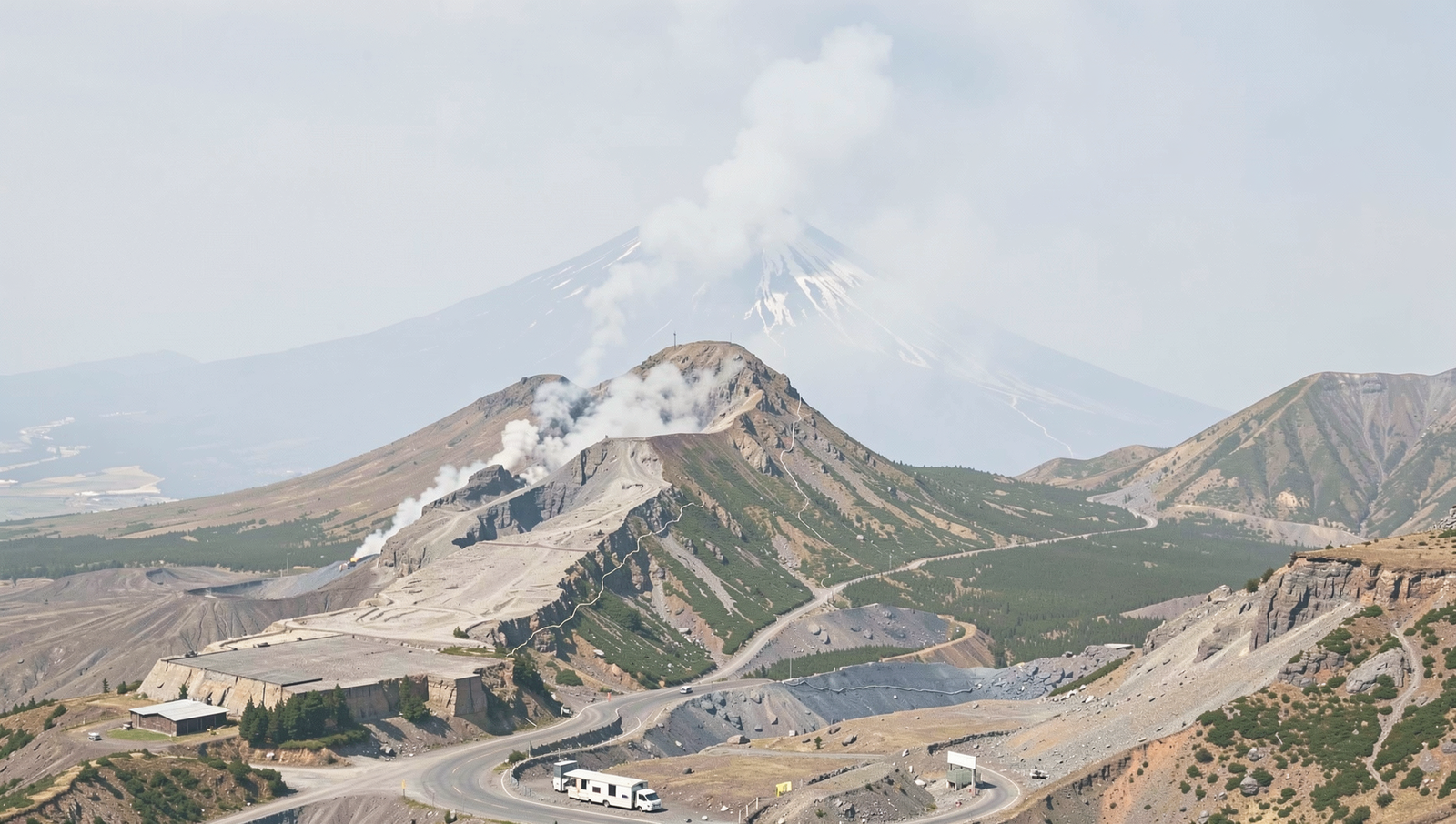
AI can help predict various disasters, including typhoons, earthquakes, floods, and landslides. By processing historical data and real-time information, AI models can forecast the likelihood and intensity of these events, enabling better preparedness and risk management.
How does AI improve disaster response?
AI improves disaster response by providing real-time data analysis and predictive modeling. This allows emergency services to allocate resources more effectively, anticipate the needs of affected populations, and streamline communication during crises,
About the Author